Wyoming Helmet Law for ATV Riders
Navigating the ins and outs of off-road vehicle laws can feel like trying to find your way through a sagebrush maze at dusk – confusing, frustrating, and a little bit risky if you make a wrong turn. One of the biggest questions I hear from fellow ATV and UTV riders heading out to enjoy Wyoming’s incredible trails and open spaces is about helmets. Do you need one? When? For whom? It’s not always as straightforward as it seems, especially with the nuances of different terrains and vehicle types. This guide is here to untangle the specifics of Wyoming’s helmet law for ATV and UTV riders, making sure you hit the trails confidently and legally.
The Core Wyoming Helmet Law for ATV Riders: What the Law Says
Let's cut right to the chase because understanding the legal baseline is the first step to a safe and compliant ride. Wyoming's helmet laws for off-road vehicles aren't a blanket rule for everyone, everywhere. Instead, they’re specifically tailored around age and where you're riding. This is where a lot of the confusion comes in, as what's okay on private land might not fly on a designated public trail or, especially, on a public road.
Age Requirements on Public Roads and Designated Trails
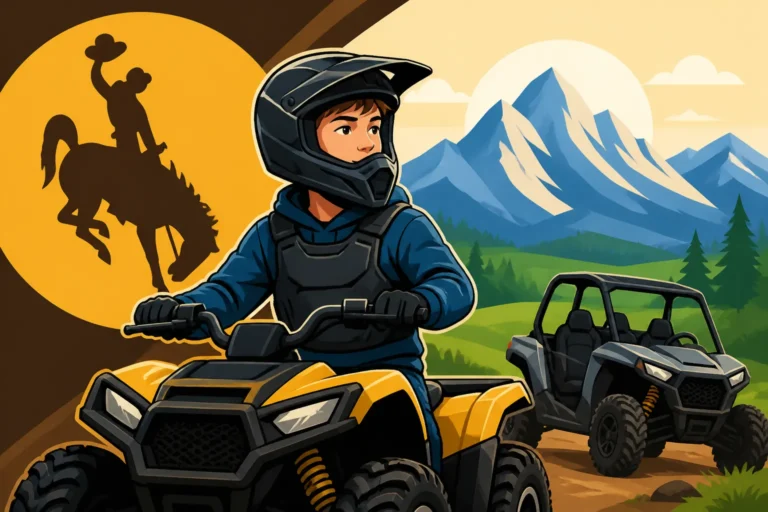
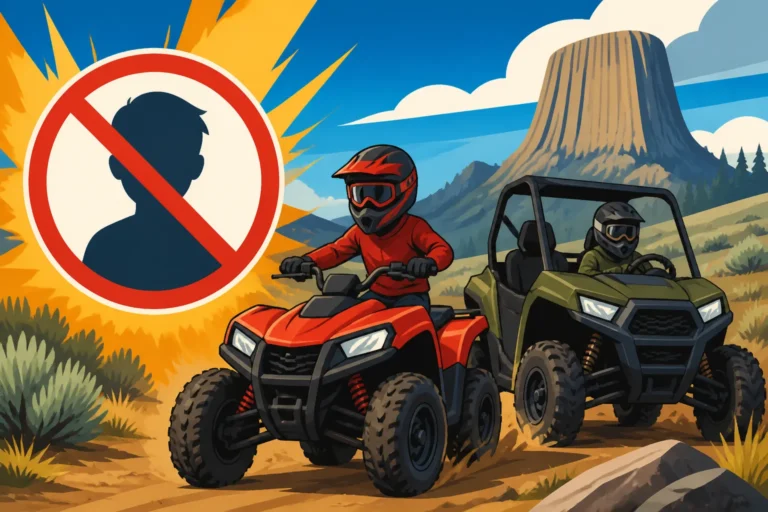
Here’s the most crucial piece of information for most riders: in Wyoming, any person under the age of 18 must wear a properly fitted and fastened safety helmet when operating or riding as a passenger on an off-road vehicle (ATV, UTV, dirt bike, etc.) on public lands, designated trails, or enrolled roads. This isn’t a suggestion; it’s the law. If you're out riding the [Wyoming's Enrolled Roads and Trails] in the Medicine Bow-Routt National Forest or exploring the vast landscapes managed by the BLM, and you have a young rider with you who is under 18, they absolutely need a helmet.
Think of a family ride with your kids or grandkids near Saratoga, exploring some of the beautiful two-tracks. If your 15-year-old is at the controls of their quad or riding shotgun in your side-by-side, that helmet needs to be on their head and strapped securely. The same goes if your 10-year-old is a passenger on your machine. This law is about protecting our younger generation who might not have the same experience or reaction times as seasoned riders. It’s also about consistency across our public trail systems, ensuring a baseline of safety for everyone enjoying these incredible outdoor opportunities. This is also covered in [Wyoming Helmet Law for Passengers] and [Wyoming Rules for Riders Under 16].
Helmet Requirements for MPVs (Street-Legal Side-by-Sides)
Now, things get a little more intricate when we talk about Multipurpose Vehicles (MPVs). An MPV is a special class of side-by-side that has been legally converted to be street-legal, allowing it to be driven on public roads in certain areas. This isn’t your average trail machine; it has met specific requirements for things like lights, mirrors, and horns. You can learn more about what qualifies as an MPV in [Wyoming's MPV Definition in W.S. 31-1-101].
For MPVs, the helmet law mirrors what you'd typically see for motorcycles. If you're driving an MPV on a public road, and you (the driver) or your passenger are 18 years of age or older, a helmet is generally not legally required. However, the critical point here is that if a passenger in an MPV is under 18 years old, they still must wear a helmet. So, while you might be able to cruise through town in your street-legal side-by-side without a helmet if you're over 18, your teenage child riding with you still needs theirs on. This distinction is vital for those who have taken the steps to get their side-by-side plated for road use, as it differs from the rules for traditional off-road-only machines. For more on this, check out [Wyoming Rules for a Child Passenger] and [Wyoming Minimum Age to Ride a Road].
Private Property vs. Public Land: Where the Rules Apply
It's tempting to think that all these rules fade away when you're on private land, and to a certain extent, that's true regarding state helmet laws. On private property, with the landowner's express permission, Wyoming's state helmet laws for minors on ORVs generally don't apply. The landowner’s rules or your own family rules would take precedence. For instance, if you're riding with your kids on your own ranch outside of Cheyenne, the state won't mandate helmet use for your under-18 children.
However, this is a huge area where personal responsibility and common sense should absolutely kick in. Just because the law doesn't require a helmet on private land doesn't mean it's safe to go without one. The risks of falls, collisions, or rollovers are just as real, if not more so, on private land with varied terrain. I've seen too many close calls, and a helmet is the cheapest insurance you can get for your brain. Moreover, always be aware of property boundaries; unknowingly straying onto public land or another person's private property can quickly lead to legal trouble, and then those helmet laws (and trespass laws) suddenly become very relevant. It's always a good idea to know your route and your boundaries to avoid issues like those outlined in [Wyoming Trespass Rules for Riders].
Understanding "Street Legal" in Wyoming and Helmet Use
The term "street legal" throws a lot of people off when it comes to ORVs. It's not a casual designation, and it has significant implications for how helmet laws apply. Many riders mistakenly believe that once they've paid their fees and gotten their [Wyoming's Annual ORV Permit] decal, they can hit any road they want. Unfortunately, that's simply not the case in Wyoming.
Why an ORV Permit Isn't a Road License
Let's be crystal clear: the annual Wyoming ORV permit, while absolutely essential for riding on designated public lands and trails, does not make your ATV or UTV street legal. It's a trail-use permit, designed to help fund the [Wyoming Permits and the Trails Program], not a license to cruise down Main Street. Your standard ATV or UTV, even with a valid Wyoming ORV permit decal prominently displayed, is still considered an off-road vehicle by law.
This distinction is crucial for helmet requirements. If you're riding your standard ATV or UTV (which is not an MPV) on a public road that is designated for ORV use (more on this below), the under-18 helmet rule still applies. You're operating an ORV on a public thoroughfare, and the state wants to ensure the safety of its youngest riders in that environment. Don't confuse your trail permit with the comprehensive vehicle registration and titling required for road-legal machines. If you're curious about making your side-by-side truly street legal, you'll need to look into [Wyoming MPV Street Legal Requirements].
Designated ORV Roads and How Helmets Fit In
Wyoming does have designated ORV roads – these are typically county roads or certain forest service roads that have been specifically opened for off-road vehicle travel. This isn't every paved road or gravel track you see; these routes are clearly marked and usually detailed on maps provided by the land management agencies, like those for the [Wyoming Rules for Riding a Forest Road] or BLM areas.
When riding an ORV (not an MPV) on one of these designated ORV roads, the helmet law for riders under 18 remains firmly in place. While you're on a public road, your machine is still classified as an off-road vehicle, and therefore the age-based helmet rule applies. For example, if you're using a designated county road to connect two trail segments in the Shoshone National Forest, and your 16-year-old is driving their quad, they need a helmet. This ensures a consistent safety standard for youth, regardless of whether they are on a narrow single-track trail or a wider dirt road connecting those trails.
Equipment Beyond the Helmet for Road Use
Thinking about taking your machine on the road, even if it’s just a designated ORV road or an MPV-approved route? The helmet is just one piece of the safety puzzle. For any machine intended for road use, even limited, you're going to need more. This typically includes proper headlights, taillights, brake lights, and even a horn. You can dive deeper into these requirements with guides like [Wyoming Lighting Requirements for ORVs] and [Wyoming Mirror Requirements for Road Use].
While the helmet requirement is specific to age and location, investing in all necessary safety equipment is a no-brainer for any rider. Brands like SuperATV offer a wide range of accessories and components, from mirrors to turn signals, that can help get your machine compliant for road use, or simply enhance safety on the trail. Just remember, adding these components alone doesn't make your ORV an MPV; there's a specific registration and titling process to follow.
Practical Advice and Safety Beyond the Law
While understanding the letter of the law is important, true safety on the trails and roads goes far beyond mere compliance. As an experienced rider, I can tell you that a helmet isn't just about avoiding a ticket; it's about protecting your most valuable asset: your brain.
Choosing the Right Helmet for ATV and UTV Riding
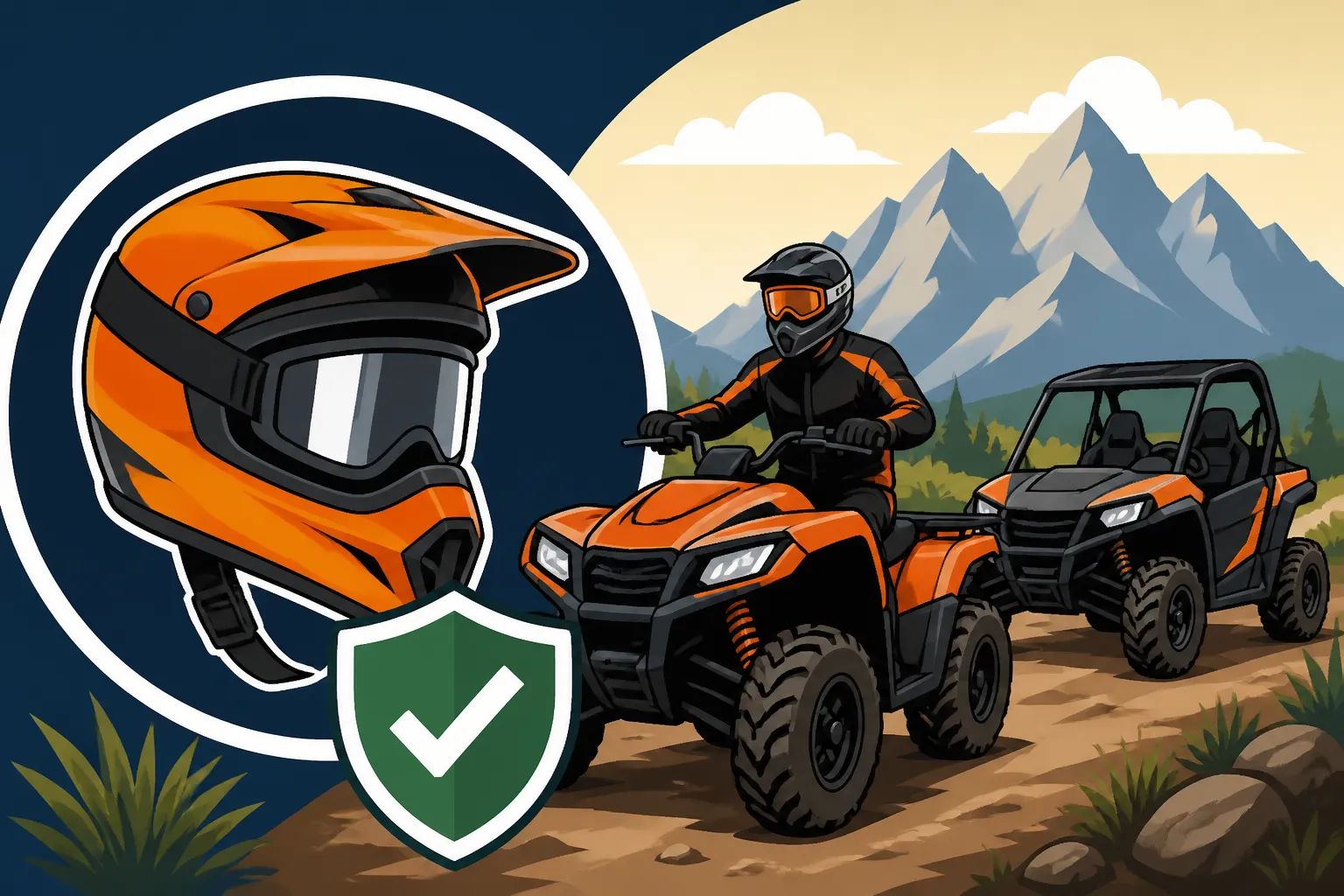
Picking a helmet isn't just about grabbing the first one you see. You need a helmet that is designed for off-road use, meets safety standards, and fits correctly. Look for helmets that are DOT (Department of Transportation) approved, which is the minimum legal standard. For even greater protection, especially if you ride aggressively or in challenging terrain, consider helmets with Snell certification.
Here are some tips for choosing the right helmet:
- Fit is Paramount: A helmet should be snug but not uncomfortably tight. It shouldn't move around on your head when you shake it. If it slides around, it won't protect you properly in a crash. For younger riders, never buy a helmet they’ll "grow into." A poorly fitting helmet is a dangerous helmet.
- Off-Road Specific Design: Off-road helmets typically have a sun visor and a large opening for goggles, which are essential for dust and debris protection. They also usually have more ventilation, crucial for those physically demanding rides.
- Full-Face Protection: While open-face helmets exist, for ATV and UTV riding, a full-face off-road helmet provides the most comprehensive protection for your head and face against impacts, roost, and branches.
- Comfort and Weight: You’ll be wearing this for hours, so comfort matters. A lighter helmet can reduce neck fatigue on longer rides.
Encouraging Helmet Use for All Ages (Even When Not Required)
I cannot stress this enough: wear a helmet, always. Even if you’re an adult and legally not required to wear one on certain roads or private land, it's simply the smartest decision you can make. The trails we love in Wyoming can be unpredictable. That unexpected washout, the deer that bolts out in front of you, or the moment a tire catches a hidden rock can turn a fun ride into a life-altering event in an instant.
Setting a good example for younger riders is also incredibly powerful. If they see you, the experienced adult, always donning your helmet before starting the engine, they'll be far more likely to adopt that habit themselves. It reinforces the idea that helmets are not just a "kid rule" but a fundamental part of responsible riding for everyone. My own family always follows this rule, no matter where we're riding. This kind of proactive safety thinking is part of what we emphasize in [Wyoming ATV Safety Course Requirements].
Other Essential Safety Gear for Wyoming Trails
While helmets are the focus here, safety gear extends far beyond just head protection. To truly prepare for a safe ride in Wyoming’s backcountry, consider these additions:
- Goggles: Essential for protecting your eyes from dust, dirt, branches, and insects.
- Gloves: Provide grip, reduce vibration fatigue, and protect your hands from scrapes and blisters.
- Long-Sleeved Shirt and Pants: Even in summer, long clothing protects against sun, branches, and abrasions in a fall. Riding-specific gear from brands like SuperATV can offer extra padding and durability.
- Sturdy Boots: Protect your ankles and feet from impacts and provide good grip on footpegs.
- Chest Protector/Body Armor: Especially for more aggressive riding or youth, these can protect vital organs and bones.
- First-Aid Kit: Always carry one. Minor scrapes are common, and having supplies on hand can prevent them from becoming bigger issues.
- Water and Snacks: Dehydration and low blood sugar can impair judgment and lead to accidents.
Riding in Wyoming is an incredible privilege, offering access to some of the most stunning landscapes in the country. Let's keep it safe and enjoyable for everyone by adhering to the helmet laws and, more importantly, by prioritizing safety every single time we throw a leg over an ATV or settle into a UTV seat.
Wyoming ATV & UTV Helmet Law Summary
Here’s a quick overview of Wyoming's helmet laws for off-road vehicle riders:
| Rider Age | Machine Type | Location | Helmet Requirement |
|---|---|---|---|
| Under 18 | ATV, UTV (Non-MPV) | Public Land, Designated Trails | REQUIRED |
| Under 18 | ATV, UTV (Non-MPV) | Designated ORV Roads (Public Roads) | REQUIRED |
| Under 18 | ATV, UTV (Non-MPV) | Private Property (With Owner's Consent) | NOT STATE-REQUIRED (Highly Recommended) |
| Under 18 | MPV (Street-Legal UTV) | Public Roads (as Driver or Passenger) | REQUIRED |
| 18 and Over | ATV, UTV (Non-MPV) | Public Land, Designated Trails | NOT STATE-REQUIRED (Highly Recommended) |
| 18 and Over | ATV, UTV (Non-MPV) | Designated ORV Roads (Public Roads) | NOT STATE-REQUIRED (Highly Recommended) |
| 18 and Over | ATV, UTV (Non-MPV) | Private Property (With Owner's Consent) | NOT STATE-REQUIRED (Highly Recommended) |
| 18 and Over | MPV (Street-Legal UTV) | Public Roads (as Driver or Passenger) | NOT STATE-REQUIRED (Highly Recommended, especially for driver/open cockpit) |
Disclaimer
This article is for general informational purposes only and does not constitute professional advice. Laws, prices and regulations vary by location and change over time. Consult a qualified professional for guidance on your specific situation.