Hunting Season Traffic on a Forest Road
Ah, hunting season in Wyoming! It's a time of year that brings a special kind of energy to our beloved forest roads and trails. While the crisp autumn air and changing leaves are undeniably beautiful, riding your ATV or UTV during this bustling period can sometimes feel like navigating a chaotic obstacle course rather than a peaceful escape. This guide is here to help you understand what to expect and how to safely and respectfully share the backcountry with hunters, ensuring everyone can enjoy Wyoming's wild spaces.
The Unique Challenges of Hunting Season Traffic
When the leaves start to turn gold and the air gets that unmistakable chill, our quiet forest roads transform. What was once a serene two-track might now be a buzzing thoroughfare, and that can catch even experienced riders off guard. It's not just about more vehicles; it's about a different kind of traffic with its own rhythm and purpose.
Increased Vehicle Volume and Mixed Traffic
First off, let's talk about the sheer volume. It's incredible how many trucks, trailers, side-by-sides, and even dirt bikes descend upon the national forests and BLM lands during hunting season. You'll encounter folks hauling horse trailers, campers pulled by heavy-duty pickups, and, of course, plenty of other ATVs and UTVs. Many of these vehicles are loaded with gear, game, or both, which can significantly affect their speed and maneuverability on rough, unpaved roads. It's a real melting pot of transportation, and not everyone is used to navigating these kinds of roads, leading to unexpected stops or swerving.
Adding to this complexity is the mix of traffic speeds. You might have someone crawling along in a pickup, slowly glassing the hillsides for game, while a recreational rider is trying to cover ground quickly to reach a specific trail. This disparity in intent and speed can lead to frustration if you're not prepared for it. Some hunters might pull over abruptly, or even stop in the middle of the road, without much warning, because they've spotted something. It's not out of malice, but pure focus on their objective. As riders, we need to be extra vigilant and patient, understanding that everyone has a reason for being out there.
Then there's the variable experience level. While many Wyomingites are seasoned backcountry drivers, hunting season also draws in folks from all walks of life, some of whom might be less accustomed to navigating steep grades, washboards, or rocky terrain in a loaded truck. This can mean slower speeds, unexpected braking, or even vehicles getting stuck, which can create bottlenecks on narrower roads. It's wise to assume that not everyone you encounter has the same level of comfort or skill on these routes, so giving everyone extra space is always a good idea.
Reduced Visibility and Dust Concerns
One of the most immediate and pervasive challenges during hunting season, especially in drier years, is the dust. Oh, the dust! Trucks, trailers, and even other ATVs and UTVs churn up massive plumes of fine particulate that can hang in the air for what feels like an eternity. If you're following another vehicle, your visibility can drop to zero in an instant, making it incredibly dangerous to judge distances or spot oncoming traffic. This is a common frustration for many riders – you just want to get to your favorite trail, but you're constantly choking on dust and having to slow to a crawl.
Compounding this, hunters are often most active during dawn and dusk – prime times for wildlife movement. These are also the times when natural light is lowest, and shadows are longest, making it harder to see and be seen. Imagine a dusty road at twilight, with the setting sun glinting off windshields and the exhaust from a half-dozen vehicles hanging heavy in the air. It's a recipe for reduced visibility all around. Riders need to be acutely aware that other users might be struggling to see them, especially if they're wearing earth-toned riding gear.
Another often-overlooked visibility factor is the camouflage gear many hunters wear. While essential for their pursuit, it means that someone walking along the roadside, or even an ATV parked off the shoulder, can blend seamlessly into the natural surroundings. This is especially true if they're moving through brush or standing near trees. As an ATV or UTV rider, you need to be constantly scanning the environment, not just for other vehicles, but for people on foot or static objects that might suddenly appear. Wearing bright colors yourself is crucial, even if you're just out for a scenic ride. You'll want to check out [Blaze Orange on an Autumn Ride] for more tips on this.
Essential Preparations for Riding During Hunting Season
You wouldn't head out on a summer ride without checking your tires, right? Well, hunting season demands an extra layer of preparation. It's not just about what you bring; it's about how you present yourself and how well you know the terrain you're about to cover. Taking a few proactive steps can drastically improve your safety and enjoyment.
Visibility is Your Best Friend: Blaze Orange and Lighting
Let's be blunt: if you're riding in the backcountry during hunting season, you need to be seen. Period. Even if you're not hunting, wearing blaze orange is non-negotiable. Don't just throw on an orange hat; we're talking a vest, a jacket, or prominent orange accents on your gear. Think of it as a giant "I am a human, not an animal" sign. Hunters are focused, and their eyes are trained to spot game. Anything that breaks up their typical scanning pattern and screams "person" is a good thing. This simple act is perhaps the most critical thing you can do to prevent a tragic accident.
Beyond your attire, your machine's lighting needs to be top-notch. While your stock headlights and taillights meet legal requirements, consider augmenting them. Brighter LED light bars, auxiliary spotlights, or even just ensuring your existing lights are clean and aimed correctly can make a world of difference, especially in dusty conditions or low light. Remember, you're not just trying to see the road; you're trying to make sure others see you. This applies not only to your machine, but also to yourself.
For an extra layer of safety, think about reflective tape or a whip flag, especially if you're on a side-by-side that might be harder to spot over a rise or through tall vegetation. A tall whip flag, like those from SuperATV, often with an LED light, can make your machine visible long before someone sees the machine itself. This is especially helpful when cresting hills or navigating winding, blind corners where visibility is inherently limited. Every little bit of added visibility contributes to your overall safety and the peace of mind of other trail users.
Know Your Routes and Anticipate Congestion
Before you even load up the machine, hit the maps. Forest Service and BLM offices are excellent resources for current conditions, closures, and areas that might see heavy hunting pressure. Many of these agencies provide Motor Vehicle Use Maps (MVUMs) that clearly delineate what roads and trails are open to specific types of vehicles. Knowing these routes beforehand helps you plan your ride, especially if you're trying to avoid the busiest corridors. Checking online for local ranger district alerts can also reveal temporary closures due to fire restrictions, road damage, or special events that might impact your plans. You can often find this information on [Wyoming Trail Maps and MVUMs].
Don't be afraid to think outside the box when it comes to your route. If a particular forest road is a well-known access point for a popular hunting unit, consider exploring alternative, less-traveled routes. While they might add a few miles or be a bit more challenging, the trade-off in avoiding congestion and dust can be well worth it. Sometimes, just shifting your start time by an hour or two can make a huge difference in the amount of traffic you encounter. Early mornings are often the busiest with hunters heading out, so a mid-morning start might give you a clearer run.
Having a reliable GPS or offline mapping system on your phone or device is invaluable. Cell service in many parts of Wyoming's backcountry is spotty at best, so downloading maps for offline use is crucial. These tools allow you to pinpoint your location, identify alternative paths, and navigate confidently, even if you find yourself needing to detour around an unexpected blockage or group of hunters. Knowing exactly where you are and where you're going helps you maintain your composure and make informed decisions, especially when you're sharing the landscape with a lot of other people.
On-Road Etiquette and Safety During Hunting Season
Once you're out there, sharing the road isn't just a suggestion; it's a necessity for everyone's safety and enjoyment. Hunting season often means a more diverse and sometimes less predictable crowd than your typical weekend joyride crew. Adhering to a few common-sense etiquette rules can make the experience smoother for everyone involved.
Sharing the Road Respectfully
Patience is truly a virtue when you're riding forest roads during hunting season. You're going to encounter trucks pulling trailers, sometimes quite slowly, especially on steep or rough sections. It's important to remember that these folks might be hauling precious cargo—their camp setup, or perhaps even a hard-earned trophy. Yielding to larger vehicles is generally a good practice, as they often have less maneuverability and longer stopping distances. Don't rush or ride their bumper; give them ample space. If you need to pass, wait for a safe, wide spot, signal clearly, and do so cautiously, minimizing the dust you kick up. Nothing is more frustrating for a driver than being engulfed in a cloud of dust from a passing side-by-side.
Be mindful of noise. While your machine might have a legal muffler and spark arrester, the sound still travels. Hunters are often trying to be quiet and stealthy, and a roaring engine can easily spook game. If you see hunter camps, tents, or vehicles parked off the road, slow down and reduce your throttle. A polite wave is usually appreciated, but making a lot of noise through their area isn't. The backcountry is a shared space, and showing respect for others' pursuits goes a long way in fostering good relations between different user groups.
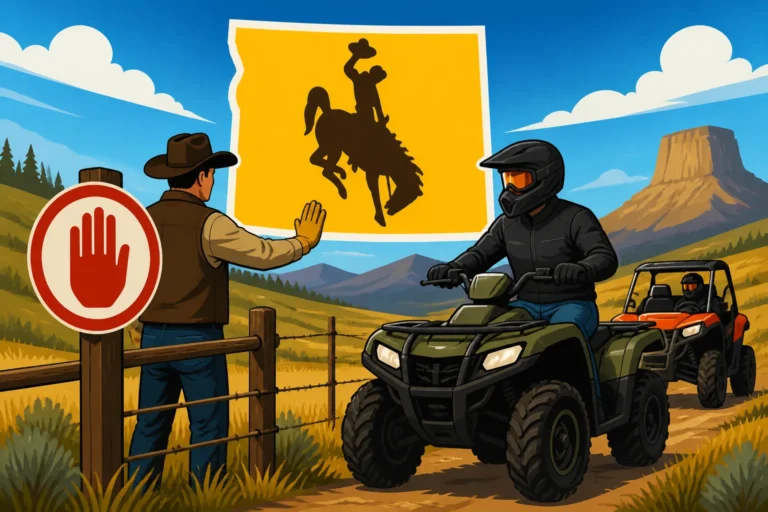
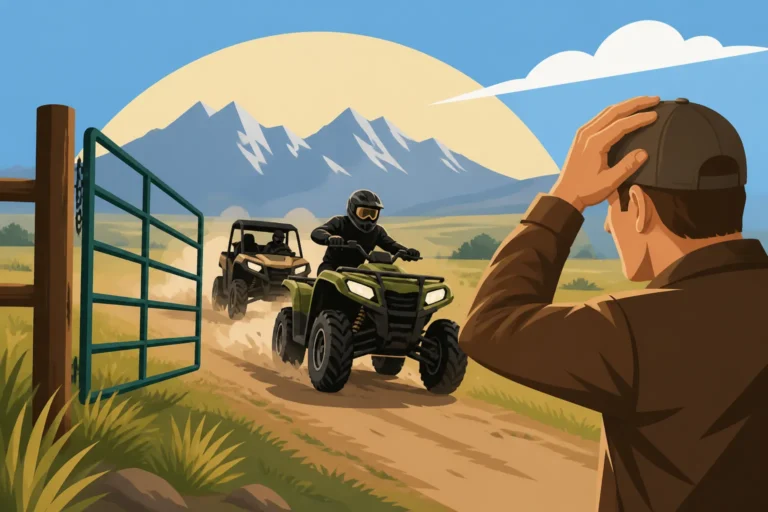
Remember, many hunters will be traveling very slowly, constantly scanning the hillsides. They might stop suddenly, or even pull completely off the road to glass a distant ridge. Give them space and time. A quick, friendly wave is usually all that's needed to acknowledge each other. Avoid aggressive driving or trying to intimidate anyone. We all love these wild places, and respecting each other's presence ensures we can all continue to enjoy them. If you're encountering closed gates on forest roads, always remember [Wyoming Rules for Opening a Gate] – if you open it, close it behind you.
Communicating and Signaling
Clear communication is key on any trail, but especially so when traffic is heavy and varied. Use your turn signals if your machine has them, especially before making turns or pulling over. If not, clear hand signals are vital. Pointing in the direction you're turning, or using a "slow down" signal to the rider behind you, can prevent mishaps. It might seem basic, but in a dusty environment, these visual cues are incredibly important.
Consider a communication system for group rides. Two-way radios are fantastic for letting your buddies know about oncoming traffic, hazards, or sudden stops. They're also great for coordinating breaks or making sure everyone is still together, especially when visibility is low. For individual riders, or those on side-by-sides, a bright whip light, perhaps with some flag mounted to it, can act as a fantastic visual signal, especially over rises where your actual machine might still be out of sight. SuperATV offers various whip lights that can really boost your visibility and communication on the trail.
When you encounter other vehicles or people, a simple wave can go a long way. It acknowledges their presence and signals that you've seen them. If you need to speak with someone, pull over safely to the side of the road where you won't block traffic. Avoid yelling over your engine or theirs. A polite, clear exchange of information, whether it's about trail conditions or where a particular group of elk was spotted, can make a positive impact and help everyone navigate the area more effectively.
Encountering Hunters and Wildlife
You're bound to cross paths with hunters, either on foot, parked, or in their own vehicles. When you see them, slow down significantly. If they're actively glassing or stalking, give them a very wide berth, or even stop your machine briefly to allow them to continue undisturbed. Remember, their success often depends on stealth and quiet. You wouldn't want someone roaring past your fishing hole when you're trying to land a big one, so extend the same courtesy. A quick nod or a thumbs-up can acknowledge them without breaking their concentration too much. Respect their space and their pursuit.
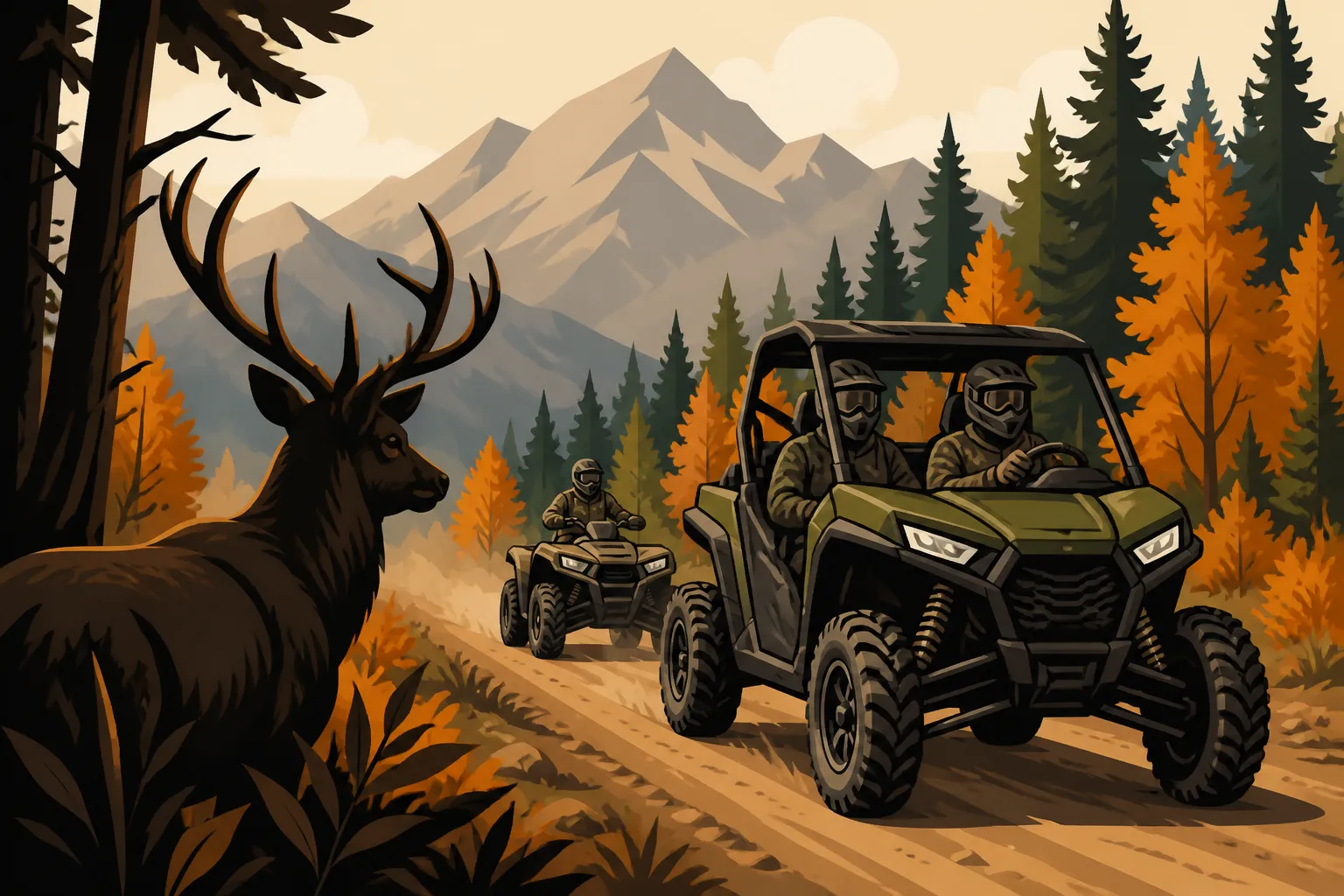
Wildlife is also more active and on the move during hunting season, and they'll often be using the same roads and trails you are. Deer, elk, and even moose can appear suddenly, especially around dawn and dusk. Always ride defensively, assuming an animal could jump out at any moment. Be extra cautious around blind corners, dense brush, and water sources. If you see an animal, slow down, give it plenty of space, and let it move off the road on its own. Never try to push an animal with your machine, as this can stress them and lead to dangerous situations for both you and the animal.
Remember that there are specific regulations regarding [Hunting From a Machine] and [Packing an Elk Out by Machine]. While you might see hunters utilizing ATVs or UTVs for these purposes, ensure you understand the rules if you're involved in any hunting activities. For recreational riders, simply being aware that this is happening helps you anticipate potential situations, such as encountering a downed animal being processed or a loaded machine slowly making its way out of the backcountry.
Legal and Practical Considerations
Riding during hunting season isn't just about etiquette; it's also about understanding the rules of the road (or trail, as it were) and being prepared for anything. Wyoming has specific regulations for off-road vehicles, and during peak use times like hunting season, enforcement often becomes more visible.
Permits, Regulations, and Enforcement
First and foremost, if you're riding an ATV or UTV on public lands in Wyoming, you absolutely need a current [Wyoming ORV Permits Explained]. This permit, a decal affixed to your machine, is mandatory for residents and non-residents alike. There's no reciprocity with other states, so even if your machine is registered elsewhere, you'll need a Wyoming permit. Forest Service rangers, BLM officers, and even Game and Fish wardens will be out and about, especially during hunting season, and they will check for proper registration. It's a quick way to get a citation and put a damper on your ride if you're caught without one.
It's also crucial to understand and adhere to the specific regulations for the area you're riding in. This means staying on [Wyoming's Enrolled Roads and Trails]. Riding off-trail, or on roads closed to ORVs, is a serious offense that can lead to hefty fines and damage to critical wildlife habitat. During hunting season, these rules are often more strictly enforced because of the increased traffic and potential for resource damage. Always carry a current map (like an MVUM) and know what's open and what's not. If a gate is closed and locked, it's closed, regardless of whether you think you should be able to go there.
Enforcement officers are often highly visible during hunting season, not just to check permits, but also to ensure public safety and resource protection. They're looking for things like proper spark arresters, adherence to speed limits, and responsible riding practices. Don't be surprised if you encounter a checkpoint or a warden stopping you to chat. It's usually just a routine check. Be polite, have your permit and any other required paperwork (like your driver's license if you're on an enrolled road), and cooperate. Knowing [What a Warden Checks at a Trailhead] can help you feel prepared. Remember, these folks are out there to keep everyone safe and preserve the land for future use. For riding on federal land, it's also worth familiarizing yourself with [Wyoming Rules for Riding Federal Land].
Emergency Preparedness
Even on a typical ride, being prepared for emergencies is smart. During hunting season, with more traffic, potentially longer distances between help, and unpredictable autumn weather, it becomes absolutely essential. Always carry a well-stocked first-aid kit. You might encounter an accident involving another rider or hunter, or experience one yourself. Being able to treat basic injuries can make a significant difference.
Beyond medical supplies, think about machine readiness. Carry extra fuel, a tire repair kit, basic tools, and a way to air up a tire. A simple flat tire can turn into a major ordeal if you're miles from the nearest paved road and have no way to fix it. Emergency communication is also paramount. Cell service is unreliable in much of Wyoming's backcountry. A satellite messenger or personal locator beacon can be a lifesaver if you have a serious breakdown or injury in an area without reception. You can find more information about these crucial devices in [Satellite Messengers in the Basin].
Lastly, always check the weather forecast, and be prepared for sudden changes. Autumn in Wyoming can bring beautiful sunny days, but it can also drop feet of snow or unleash torrential rain and wind in a matter of hours. Hypothermia is a real risk, even in what seems like mild weather, if you get wet and can't stay warm. Dress in layers, carry extra dry clothing, rain gear, and a fire-starting kit. Being prepared for [Afternoon Thunderstorms in the High Country] or an unexpected cold snap is not just good planning; it's a critical safety measure when you're out enjoying the forest roads during hunting season.
| Item | Why It's Crucial During Hunting Season | Where to Carry It |
|---|---|---|
| Blaze Orange Gear | Maximizes visibility to hunters. | On your person (vest, jacket, hat) |
| Augmented Lighting | Cuts through dust, improves low-light visibility. | Mounted on ATV/UTV |
| Whip Flag (LED) | Increases visibility over rises and in dust. | Mounted on ATV/UTV |
| Offline Maps/GPS | Navigates without cell service, identifies routes. | Phone, dedicated GPS device |
| Wyoming ORV Permit | Mandatory for all public land riding. | Affixed to machine |
| First-Aid Kit | For personal or bystander injuries. | Securely in storage compartment |
| Extra Fuel | Avoids getting stranded in remote areas. | Approved fuel can, secured |
| Tire Repair Kit/Pump | Essential for flats far from help. | Securely in storage compartment |
| Satellite Messenger | For emergency communication outside cell service. | On your person or easily accessible |
| Layers/Rain Gear | For unpredictable autumn weather changes. | Dry bag in storage compartment |
| Fire Starter | For warmth in emergencies. | Waterproof container |
Disclaimer
This article is for general informational purposes only and does not constitute professional advice. Laws, prices and regulations vary by location and change over time. Consult a qualified professional for guidance on your specific situation.