What Happens If You Leave a Gate Open
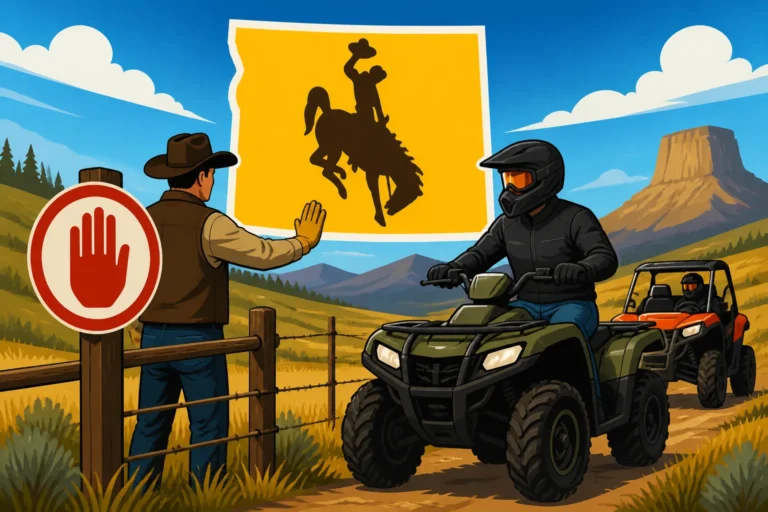
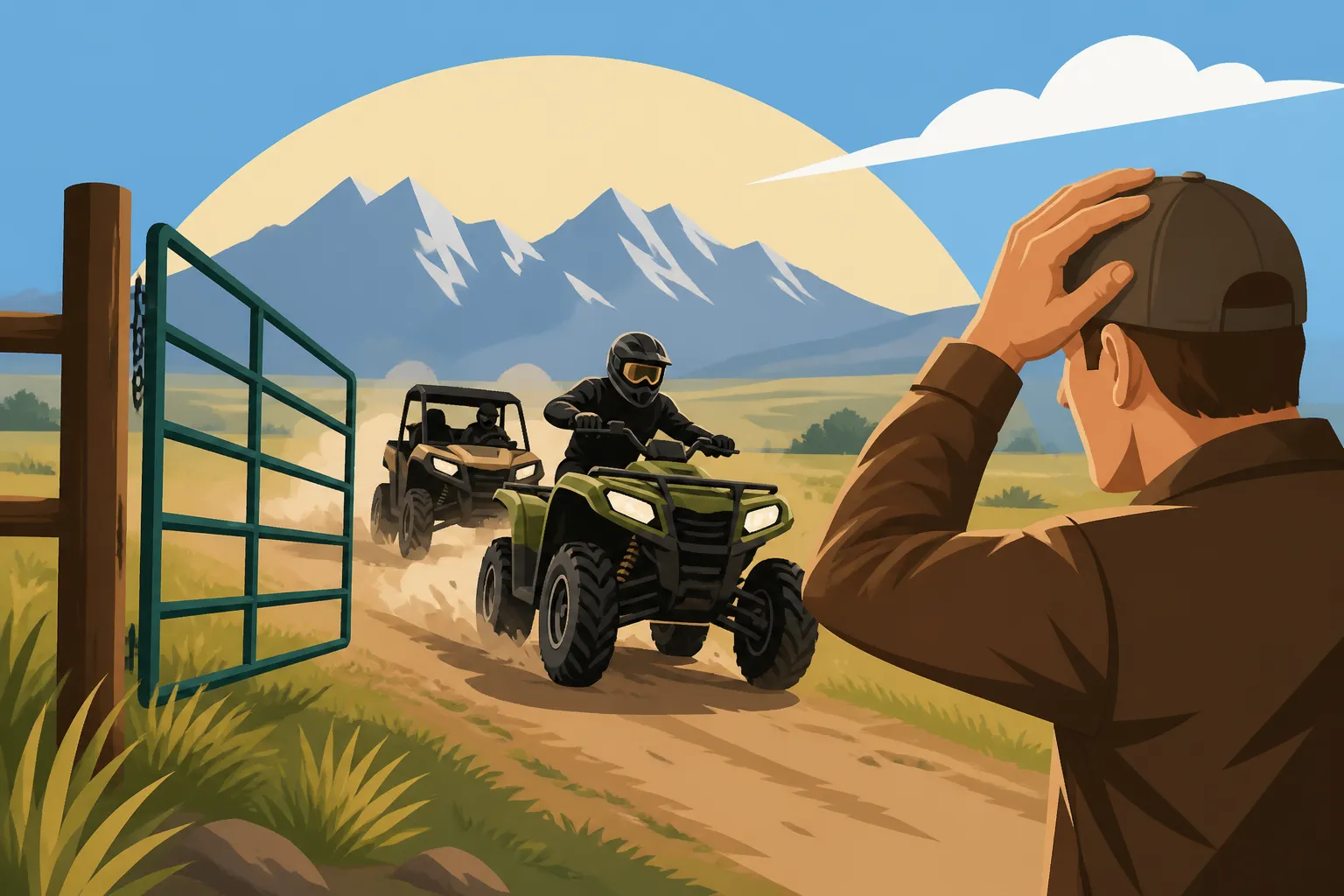
You’re out there on your ATV or UTV, enjoying the breathtaking Wyoming scenery, the dust flying, the wind in your hair. You come across a gate – maybe it's on a ranch road, perhaps on a grazing allotment, or even a section line you’re traversing. In the excitement of the ride, or maybe just a momentary lapse, you push through, and in your haste, forget to close it. This seemingly small oversight, however, can unleash a cascade of serious problems, not just for the landowner but for the entire riding community. This guide will walk you through exactly what happens when a gate is left open in Wyoming and how to prevent it.
The Immediate and Obvious Impact: Livestock and Property Vulnerability
Leaving a gate open isn't just a minor inconvenience; it's an immediate threat to the livelihoods of ranchers and the safety of their animals. Wyoming's landscape is often shared, with public access roads and trails frequently crossing private land or grazing leases, and gates are a critical part of managing this delicate balance.
The Peril of Wandering Livestock
When a gate is left ajar, the first and most immediate consequence is the potential for livestock to wander off. Imagine a herd of cattle, usually confined to a specific pasture, suddenly finding themselves free to roam. They might stray onto neighboring ranches, mixing with other herds, making them incredibly difficult to sort and retrieve. This isn't just a matter of inconvenience; it can be a significant financial hit for a rancher, causing hours, if not days, of costly effort to round up and re-sort their animals.
Beyond mixing with other livestock, these animals often find their way onto public roads and highways. A cow or horse unexpectedly stepping into the path of a speeding vehicle can lead to devastating accidents, endangering human lives and resulting in severe injury or death for the animals. The sight of [Cattle Strung Across a Forest Road] is a clear indicator that a gate somewhere has been left unsecured. Even if they don't cause an accident, lost animals are vulnerable to predators, injury, or simply getting so far afield that they are permanently lost.
Trespass and Property Damage
It's not just about animals escaping their designated areas; an open gate also means livestock can inadvertently trespass onto properties where they don't belong. This could be a neighbor's hayfield, where they can quickly decimate crops meant for winter feed, or even into residential areas, causing damage to gardens, landscaping, or other infrastructure. For a rancher, this isn't just about managing their own herd; it's about maintaining good relationships with neighbors and upholding their responsibilities to keep their animals contained.
The damage doesn't stop with crops. Fences, gates themselves, water lines, or even small structures can be damaged by wandering animals, adding to the financial burden of the landowner. The time and resources a rancher has to divert to repair fences, retrieve livestock, and mend relationships due to an open gate are substantial. It’s a direct hit to their bottom line and a drain on their already busy schedules, causing immense frustration.
Legal Ramifications and Financial Penalties for Riders
While the immediate impact on livestock and property is often the most visible, riders who fail to close gates can also face significant legal and financial consequences. Wyoming takes its land and livestock management seriously, and there are specific laws in place to protect landowners and ensure responsible use of the land.
Wyoming's Laws on Gates and Trespass
Wyoming law generally operates under the principle that if you open a gate, you are responsible for closing it. This applies whether you're on public land, private land with permission, or traversing [Wyoming Rules for Riding a Grazing Allotment]. While the exact statutes can be complex, the spirit of the law is clear: respect private property and the systems in place to manage it. Leaving a gate open can, in some cases, be considered an act of negligence, making you liable for any damages that occur as a direct result.
Should livestock escape and cause an accident or damage property, the rider who left the gate open could be held civilly liable for the costs associated with the incident. This could include vehicle repairs, medical expenses, veterinary bills for injured animals, and the cost of replacing damaged crops or property. Such claims can be financially ruinous and are a stark reminder of the serious implications of a moment's carelessness. Understanding [Wyoming Trespass Rules for Riders] is critical, as an open gate can blur the lines between legal passage and unintended trespass.
Fines, Citations, and Loss of Access
Beyond civil liability, riders can also face fines and citations from law enforcement, including county sheriffs, Forest Service rangers, or BLM officers. These agencies actively patrol public lands and are well aware of the importance of gates to local landowners and the ecosystem. A ranger encountering an open gate with evidence of ORV passage might investigate, and if you are identified as the culprit, you could be issued a citation.
| Offense Type | Description | Potential Consequence |
|---|---|---|
| Negligent Gate Use | Failing to close a gate, leading to livestock escape or property risk. | Fines, civil liability for damages, formal warning. |
| Intentional Damage | Deliberately damaging a gate or leaving it open maliciously. | Higher fines, criminal charges, significant civil penalties. |
| Repeated Offense | Multiple instances of leaving gates open or similar irresponsible behavior. | Increased fines, loss of public land access privileges. |
| Property Damage | Livestock escaping and causing damage to crops, fences, or vehicles. | Significant civil liability, potential court action. |
The fines associated with such infractions can vary but are designed to be a deterrent. More critically, repeated offenses or instances of severe damage can lead to more drastic measures, such as the loss of access to certain trails or riding areas for the offending individual. Land managers, in cooperation with landowners, have the authority to close access to routes that are repeatedly misused, impacting everyone. Even [What a Wyoming Trooper Checks Roadside] can include ensuring that local land-use rules, like gate protocols, are being followed.
The Broader Ripple Effect: Community Relations and Trail Access
The consequences of leaving a gate open extend far beyond the immediate incident, affecting the broader relationship between the riding community and the people who live and work on Wyoming's land. Trust, once broken, is incredibly difficult to rebuild, and the actions of a few can have lasting repercussions for many.
Eroding Trust with Landowners
Wyoming's vast landscape is a patchwork of public and private lands, with many trails and roads traversing both. Ranchers and private landowners often graciously grant access across their property or through grazing allotments, understanding the desire of riders to enjoy the outdoors. However, this access is almost always contingent on responsible behavior, with gate etiquette being a cornerstone of that trust. When a gate is consistently left open, it directly undermines this goodwill.
A rancher whose livelihood is threatened by wandering cattle or damaged property will quickly become frustrated and wary. This fear often leads to them reconsidering or outright revoking access across their land. One open gate, even if accidental, can erase years of positive interaction and lead to a landowner posting "No Trespassing" signs where once there was open passage. This is why [Wyoming Trail Etiquette With Ranchers] emphasizes being thoughtful and respectful; it’s about maintaining a working relationship.
Consequences for the Entire Riding Community
The actions of individual riders reverberate through the entire ORV community. When a specific trail or road becomes a consistent problem area due to gates being left open, land managers and landowners may feel they have no choice but to implement closures. This isn't just about punishing the individual responsible; it's about protecting livelihoods and ensuring safety. If a rancher or land manager decides to close a route, it means that responsible riders who cherish that particular trail will also lose access.
This collective punishment, while frustrating for those who follow the rules, is a direct result of a lack of adherence to basic courtesies. The long-term impact can be a significant reduction in available riding opportunities across Wyoming. Every time a gate is left open, it chips away at the public's perception of ORV riders as responsible land users, potentially leading to more restrictive regulations and less open land for everyone to enjoy. It's a stark reminder that shared access relies on shared responsibility.
Best Practices: How to Be a Responsible Rider Around Gates
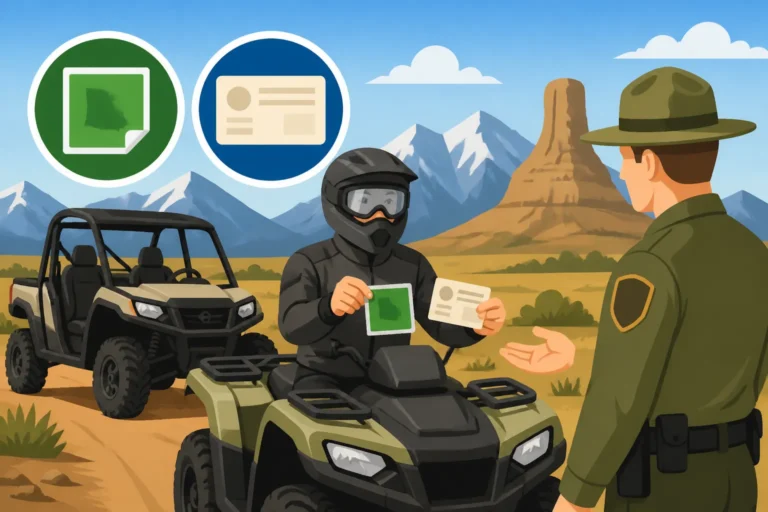
Being a responsible rider in Wyoming means more than just having a [Wyoming ORV Permit] and sticking to designated trails. It means actively practicing good etiquette, especially when it comes to gates. It's about protecting the land, the livestock, and the future of riding for everyone.
The Golden Rule: If You Open It, Close It (and Confirm)
This is the fundamental principle of gate etiquette: if you open a gate, you must close it. This rule applies every single time, without exception. It doesn't matter if you think no one will notice, or if you're in a hurry, or if you don't see any livestock. The gate is there for a reason. Always approach gates with caution, dismount if necessary, and ensure that the latch is securely fastened behind you. A quick tug or visual check to confirm it's truly closed and won't swing open with the next gust of wind is always a good idea.
Sometimes, you might encounter a gate that's already open. The general rule of thumb here is: if it's already open, leave it open unless you see clear signs of active livestock or believe it was mistakenly left open. However, when in doubt, it’s often safer to close it, especially if you know the area is actively grazed. Teaching new riders, especially youth, about [Wyoming Rules for Opening a Gate] is crucial. Remind them that the gate hardware, perhaps from a brand like SuperATV, is designed to keep it shut, and a gentle closing prevents damage.
Planning and Communication
Being prepared for gates on your ride can make a big difference. If you know your route involves crossing grazing allotments or private land, anticipate encountering gates. Having a pair of gloves handy can make opening and closing stiff or barbed wire gates much easier and safer. When riding in a group, communication is key. The lead rider should announce upcoming gates, and the last rider through should always be responsible for ensuring it's properly secured. [Wyoming Rules for a Group Ride] often emphasize these kinds of shared responsibilities.
What if you find a gate that's damaged or can't be properly secured? This is where good communication with land managers comes in. Take note of the location, snap a photo if possible, and report the issue to the nearest Forest Service, BLM, or county office. They can then inform the landowner or dispatch a crew for repairs. Don't try to "fix" a broken gate in a way that could make it worse or put you at risk. Remember, the same responsibility extends to roads that run through [Wyoming Trust Land and Its Own Permit], where similar gate rules apply. Having a well-maintained machine, perhaps with durable aftermarket parts from SuperATV, means you can confidently navigate these areas, but the responsibility to respect the gates remains paramount.
Disclaimer
This article is for general informational purposes only and does not constitute professional advice. Laws, prices and regulations vary by location and change over time. Consult a qualified professional for guidance on your specific situation.