Can a 15-Year-Old Ride an Enrolled Trail?
It’s a common scenario for families who love the outdoors: you’ve got a teenager who’s chomping at the bit to hit the trails on an ATV or UTV, but you’re not quite sure about the age rules, especially here in Wyoming. You’ve heard whispers about different regulations for different age groups, and the idea of "enrolled trails" might add another layer of confusion. This guide is here to clear up all that uncertainty, specifically addressing whether a 15-year-old can legally ride an off-road vehicle on Wyoming’s amazing network of enrolled trails, and what needs to be in place for them to do so safely and legally.
Understanding Wyoming's Age Rules for Off-Road Riding
Wyoming is a fantastic state for off-road enthusiasts, offering vast stretches of diverse terrain, from sandy dunes to high mountain passes. But with all that freedom comes the responsibility of knowing and following the rules, especially when it comes to younger riders. It’s not just about safety; it’s about legal compliance and ensuring everyone can continue to enjoy these incredible landscapes.
The General Rule for Public Land Trails
When it comes to riding an off-road vehicle (ORV) on public lands in Wyoming, there isn't a blanket "minimum age to operate" in the same way you'd find for driving a car on a highway. Instead, Wyoming focuses on whether the rider is capable and, more importantly, supervised if they are under a certain age. For many recreational areas, the emphasis is on the rider's competency and the presence of an adult.
Specifically, for riding on designated ORV trails on public land, Wyoming law typically states that a person under the age of 16 cannot operate an ORV without direct supervision of an adult over 18 or a licensed driver over 16. This means your 15-year-old can definitely ride, but they can’t just head out alone on the trails like an adult could. They need someone responsible right there with them, actively supervising their ride. This rule is in place to ensure that young riders, who might not yet have the full judgment or experience of an adult, are kept safe and guided appropriately. You can delve deeper into the specifics of these rules in our guide on [Wyoming Minimum Age to Ride Public Land].
Imagine your family from out of state planning a summer trip to explore the Bighorn National Forest. Your 15-year-old son, who’s been riding ATVs since he was 10 back home in Nebraska, is thrilled at the prospect of riding Wyoming’s scenic trails. You absolutely can bring him along, but you, as the parent or another qualified adult, must be present and supervising him on the trail. This isn't just about riding behind him; it's about being able to intervene, offer guidance, and ensure he's making safe decisions.
Supervision Requirements for Younger Riders
"Direct supervision" isn't just a casual suggestion; it's a legal requirement. For a 15-year-old to legally ride on Wyoming’s enrolled trails, they must be directly supervised. This means the supervisor needs to be within line of sight, close enough to communicate, and capable of providing immediate assistance if needed. It's not enough for the adult to be back at camp reading a book while the teenager explores.
Who qualifies as a supervisor? It needs to be an adult (someone 18 years or older) or a licensed driver who is at least 16 years old. This ensures that the supervisor has enough life experience and, in the case of a licensed driver, demonstrated responsibility, to safely oversee a younger rider. A common scenario sees a parent riding their own ATV or UTV just ahead of or behind their teenager, keeping a constant eye on them. If you're wondering about the nuances of this, our article on [Wyoming Supervision Rules for Young Riders] offers more detailed insights.
Let’s say you’re out on a trail near Saratoga, perhaps exploring some of the Medicine Bow National Forest routes. Your 15-year-old is riding their dirt bike, and you’re right there on your side-by-side. As you approach a particularly rocky ascent, you can easily call out advice, point out the best line, or even stop to demonstrate a technique. This active engagement is what "direct supervision" is all about. It’s less about being a passive observer and more about being an active mentor and safety net. Without that adult presence, a 15-year-old would be in violation of Wyoming’s rules for riding public land trails.
What "Enrolled Trails" Mean for Young Riders
The term "enrolled trails" is key here in Wyoming, as it refers to the designated system of routes that are officially open and managed for ORV use. These aren't just any old two-tracks or ranch roads; they are part of a deliberate network designed to provide riding opportunities while protecting the environment. Understanding what an enrolled trail is, and why it has specific rules, is crucial for all riders, especially young ones.
Why Enrolled Trails Have Specific Rules
Wyoming’s Trails Program, in cooperation with various land management agencies like the U.S. Forest Service and the Bureau of Land Management (BLM), works hard to maintain and regulate these enrolled trails. When a trail is "enrolled," it means it's been assessed, signed, and designated for ORV use, often with specific vehicle types, seasons, or other restrictions in mind. These rules are in place not to make riding difficult, but to ensure sustainability, protect wildlife habitats, prevent erosion, and minimize conflicts with other users.
For young riders, this means that while the scenery might be breathtaking and the adventure exhilarating, they must adhere strictly to the posted rules and stay on the marked routes. Going off-trail, even for a quick detour, can lead to fines and environmental damage. These trails are a privilege, not a right, and their continued existence depends on responsible use by everyone. Companies like SuperATV, which produce aftermarket parts and accessories for ORVs, also emphasize responsible riding and trail preservation in their messaging, understanding that the health of the trails directly impacts the longevity of the sport.
Consider a 15-year-old on a designated trail in the Medicine Bow National Forest. The trail might wind through dense pine forests, cross small streams, and offer stunning overlooks. Every turn, every bridge, every designated camping spot exists because of careful planning and maintenance. The signs indicating "Designated Route Only" aren't suggestions; they are directives that protect everything from fragile alpine meadows to critical wildlife migration corridors. For a young rider, learning to respect these boundaries from an early age instills a lifelong ethic of responsible outdoor recreation.
Navigating Different Types of Public Land
While the general rule about direct supervision for riders under 16 applies across most public lands, it's always smart to remember that specific land managers (Forest Service, BLM, State Parks, etc.) might have additional nuances or temporary closures. For instance, some areas might have [Wyoming Seasonal Closures for Wildlife] during certain times of the year, or [Wyoming Fire Season and Trail Access] restrictions during dry periods. It's always a good practice to check the local land management office or their website before heading out. Our guide on [Wyoming Rules for Riding a National Forest] and [Wyoming Rules for Riding BLM Land] provides more context.
The beauty of Wyoming’s diverse landscape means you could be riding on a high-desert BLM two-track one day and a forested mountain trail in a National Forest the next. While the age rule remains consistent, the terrain, signage, and specific local regulations might differ. Carrying the most current [Wyoming Trail Maps and MVUMs] (Motor Vehicle Use Maps) is absolutely essential. These maps clearly mark what's open, what's closed, and any specific vehicle or seasonal restrictions. Don't rely solely on a phone app; a physical map can be a lifesaver in areas with no cell signal, and many reputable companies, including those that sell accessories like SuperATV, will often point riders to these critical resources.
For example, planning a weekend ride with your 15-year-old near Rock Springs might involve exploring the vast BLM lands around the Killpecker Sand Dunes. These areas are generally very open, but you still need to stick to designated routes within specific riding zones. Later in the summer, you might head up to the Snowy Range west of Laramie, where Forest Service trails wind through dense forests and alongside alpine lakes. Here, the trails might be narrower, more technical, and subject to later openings due to snowpack. Knowing the rules and carrying the right map for each specific area ensures a safe and compliant adventure for your young rider.
Essential Preparations for a 15-Year-Old Rider in Wyoming
Beyond just knowing the age rules, there are several crucial steps to take to ensure your 15-year-old has a safe, legal, and enjoyable riding experience in Wyoming. These preparations cover everything from official permits to personal safety gear and knowing your route.
The Mandatory ORV Permit and Decal
This is non-negotiable: every off-road vehicle ridden on public land in Wyoming must have a current Wyoming ORV permit. This applies whether the rider is 15 or 50. This isn't a driver's license for the rider; it's a registration for the machine itself. The permit is typically a decal that must be affixed to the machine in a visible location. If your 15-year-old is riding, their machine needs this decal. Our guide on [Wyoming's Annual ORV Permit] explains this in detail.
You can purchase these permits at various locations across the state, including many powersports dealerships, county offices, and even some forest service ranger stations. You can also generally acquire a [Wyoming ORV Permit Online], which can save time, especially if you're traveling from out of state. The cost is the same for residents and non-residents, and the permit is valid for a calendar year, expiring on December 31st regardless of when you purchase it. [Where Wyoming Sells ORV Permits] will give you a full rundown of your options.
Imagine you've just bought your 15-year-old a new-to-them quad. Before you even think about hitting a trail, the very first thing you need to do is secure that ORV permit. Without it, you risk a citation, and it really puts a damper on a planned family outing. Make it a routine: new machine, new year, new permit. Affixing the decal properly, usually on the front fender or another clearly visible spot, is also part of the requirement.
Safety Gear and Machine Readiness
Safety should always be paramount, especially when a young rider is involved. While Wyoming has specific helmet laws for those under 18 when riding on designated roads (which is a different category than enrolled trails), wearing a DOT-approved helmet is strongly recommended for all riders, regardless of age or location, when operating an ORV. In addition to a helmet, goggles, sturdy over-the-ankle boots, gloves, and long-sleeved shirts and pants are crucial to protect against scrapes, impacts, and debris.
Beyond personal gear, the machine itself needs to be in top condition. This means checking tires, brakes, fluids, and making sure all lights (if equipped) are operational. Critically, all ORVs on public land in Wyoming must be equipped with a US Forest Service approved spark arrester and a functioning muffler to keep sound levels within limits. This isn't just a nicety; it's a legal requirement designed to prevent wildfires and reduce noise pollution, which helps ensure continued trail access. You can find more details in [Wyoming Spark Arrester and Sound Rules]. Many aftermarket companies, including SuperATV, offer exhaust systems and accessories that meet these requirements while also potentially improving performance or durability.
Think of it like this: your 15-year-old is excited to ride, but their safety is your priority. Before every ride, conduct a quick "pre-flight" check. Are their helmet and goggles clean and fitting correctly? Is their machine fueled up, tires inflated, and brakes responsive? Does the spark arrester look intact? It's these small, consistent actions that build good habits and drastically reduce the risk of incidents on the trail. Investing in quality safety gear and maintaining the machine isn't an expense; it's an investment in their well-being and enjoyment.
The Importance of a Trail Map
Even with a supervisor, knowing your route and staying on designated trails is vital. Wyoming's vastness means it's easy to get disoriented, and venturing off-trail can lead to trespass issues, environmental damage, or getting stuck in challenging terrain. Carrying current [Wyoming Trail Maps and MVUMs] (Motor Vehicle Use Maps) is not just a good idea; it’s a critical safety measure. These maps are the official word on where you can and cannot ride.
Before heading out, review the map with your 15-year-old. Discuss the route, any potential hazards, and what to do if you encounter other trail users or wildlife. Using a GPS device pre-loaded with trail maps, or a reliable app on a fully charged phone, can complement a physical map, but never replace it entirely, especially in remote areas where cell service is non-existent. Some riders install robust mounts and enclosures from companies like SuperATV to protect their GPS units or phones while riding rugged trails.
Consider a scenario where you're exploring the Continental Divide routes in the Wyoming Range. The trails can be winding, sometimes intersect with old logging roads, and often lack clear signage for every turn. If your 15-year-old gets a little ahead or falls a bit behind, having a clear understanding of the route and a map to reference is crucial for regrouping and staying safe. It also teaches them essential navigation skills, which are valuable for any outdoor pursuit.
Beyond the Age Rule: Other Considerations for Teen Riders
While adhering to age and supervision rules is fundamental, ensuring a truly safe and responsible experience for your 15-year-old on Wyoming's enrolled trails involves much more. It's about fostering an understanding of trail etiquette, environmental stewardship, and situational awareness.
Understanding Trail Difficulty and Machine Suitability
Just because a 15-year-old can ride a particular machine, doesn't mean they should tackle every trail. Wyoming's enrolled trails often have [Wyoming Trail Difficulty Ratings], ranging from easy green circles to challenging black diamonds. It’s crucial to match your rider’s skill level and the capabilities of their machine to the chosen trail. A beginner on a complex, rocky trail is an accident waiting to happen, even with the best supervision.
Similarly, consider the machine itself. A smaller, lighter ATV or dirt bike might be perfect for a 15-year-old, offering easier handling and less intimidating power. A powerful utility UTV or a highly modified sport quad, while exciting, might be too much for a developing rider. Ensure the machine is not only in good mechanical condition but also appropriate for the rider’s size, strength, and experience. Some riders modify their machines with parts from SuperATV to enhance stability or add protective components, which can be beneficial, but it's vital that any modifications are appropriate for the rider and intended use.
Imagine your 15-year-old is quite proficient on an easy, flat dirt track near home. Taking them directly to the extremely technical, boulder-strewn trails in the Medicine Bow-Routt National Forest might be overwhelming and dangerous. Start with easier, more forgiving trails, allowing them to build confidence and hone their skills gradually. Discuss the trail ratings, what they mean, and why choosing the right trail is as important as wearing a helmet. This helps them understand risk assessment and makes for a more enjoyable experience.
Respecting Wildlife and the Environment
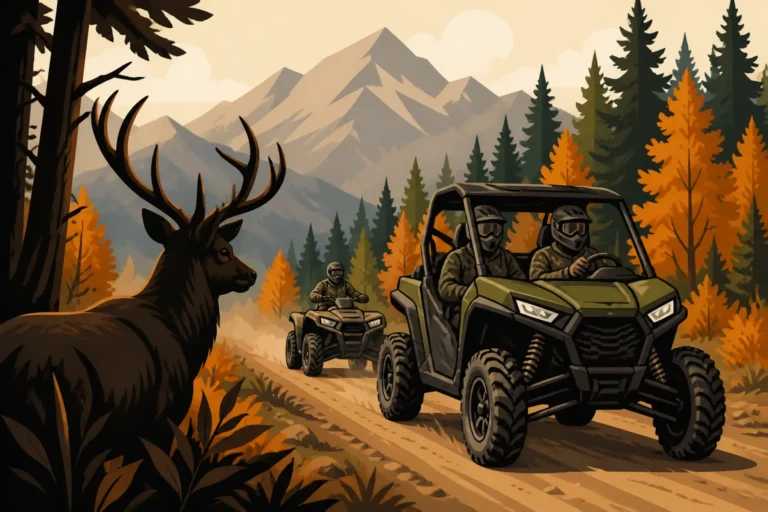
Wyoming is renowned for its incredible wildlife and pristine natural beauty. Teaching a 15-year-old rider to respect this environment is perhaps one of the most important lessons. This includes understanding and adhering to seasonal trail closures, which are often in place to protect sensitive wildlife habitats during calving or migration seasons. [Wyoming Seasonal Closures for Wildlife] are critical for maintaining healthy ecosystems. Likewise, being aware of [Wyoming Fire Season and Trail Access] rules is paramount in a state prone to wildfires.
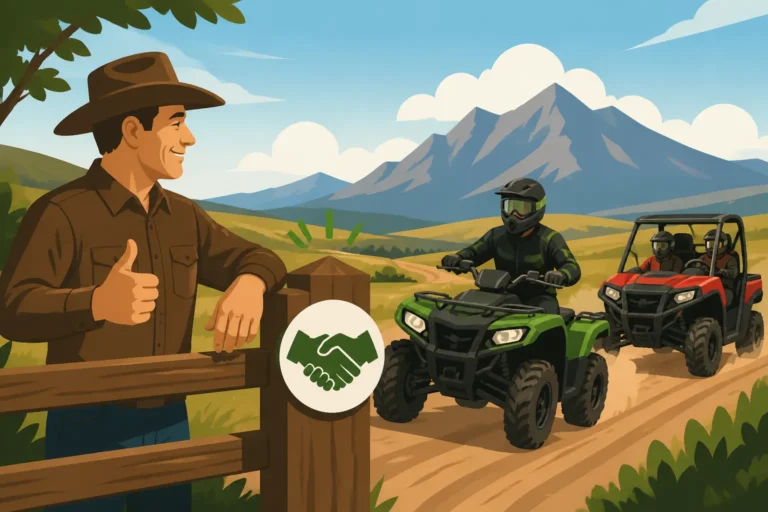
Beyond official closures, it's about practicing low-impact riding: staying on marked trails, avoiding disturbing wildlife, packing out all trash (and even some extra if you find it!), and understanding proper etiquette when encountering livestock or open gates on grazing allotments. If you pass through a gate, always leave it as you found it – if it was closed, close it behind you; if it was open, leave it open.
Let's say you're riding a two-track across a sagebrush flat and come across a herd of pronghorn. Instead of speeding up to get a closer look, teach your 15-year-old to slow down, give the animals a wide berth, and appreciate them from a respectful distance. If you encounter cattle on a ranch road, slow to a crawl, and don't rev your engine or spook them. These actions not only demonstrate respect for the land and its inhabitants but also help foster positive relationships between riders and other land users, ensuring that these trails remain open for future generations.
What a Warden Checks on the Trail
It’s not uncommon to encounter a game warden, Forest Service ranger, or BLM officer on Wyoming’s public lands. Their job is to ensure everyone is safely and legally enjoying the outdoors. For a 15-year-old rider and their supervisor, being prepared for such an encounter means having all your ducks in a row.
A warden will typically check for several things:
- Current ORV Permit Decal: Is the machine properly registered with a valid Wyoming decal? Without it, you could face [Wyoming Fines for Riding Without a Permit].
- Proper Safety Gear: Is everyone wearing a helmet (especially if under 18) and other recommended protective gear?
- Spark Arrester and Muffler: Is the machine equipped with a USFS-approved spark arrester and operating within sound limits?
- Staying on Designated Trails: Are you and your young rider on marked, open routes, or have you ventured off-trail?
- Supervision: If a minor is riding, is an eligible adult providing direct supervision?
Getting stopped by an officer shouldn’t be a source of stress if you’re prepared. It’s an opportunity to show that off-road enthusiasts are responsible and respectful. Teach your 15-year-old to be polite, cooperative, and to have their documents (if applicable, like a learner's permit for road crossings, which is a different topic from trails) readily accessible. This interaction can be a valuable lesson in civic responsibility and respecting authority, reinforcing all the other lessons about safe and legal riding.
Wyoming Off-Road Riding Rules for Young Riders: A Quick Overview
To help clarify the various rules and recommendations for young riders on Wyoming's enrolled trails, here's a quick summary.
| Aspect | Under 16 on Enrolled Trails | 16 and Older on Enrolled Trails | On Designated ORV Roads (MPV) |
|---|---|---|---|
| Supervision Required? | YES, direct supervision by an adult (18+) or licensed driver (16+). Wyoming Rules for a Rider Under 16 on a Trail | NO, but always recommended for safety and new areas. | YES, if unlicensed, otherwise can operate independently with proper endorsement. [Wyoming Rules for a Rider Aged 16] |
| Machine ORV Permit? | YES, the machine MUST have a current [Wyoming's Annual ORV Permit]. | YES, the machine MUST have a current [Wyoming's Annual ORV Permit]. | YES, if registered as an ORV (permit only); NO, if registered as an MPV (license plate instead). |
| Helmet Required? | HIGHLY RECOMMENDED. Legally required on designated ORV roads if under 18. | HIGHLY RECOMMENDED. Legally required on designated ORV roads if under 18. | YES, if under 18. |
| Driver's License Needed? | NO, for enrolled trails with supervision. | NO, for enrolled trails. | YES, for operating on designated ORV roads. [Wyoming Driver's License Rules for ORVs] |
| Safety Course Required? | NO, but Is an ATV Safety Course Required in Wyoming? is highly recommended. | NO, but highly recommended. | NO, but highly recommended. |
| Stay on Designated Routes? | ABSOLUTELY. | ABSOLUTELY. | ABSOLUTELY, when on roads designated for ORV/MPV use. |
Remember, this table provides a general overview. Always refer to the most current Wyoming Statutes and land management regulations for the specific area you plan to ride.
So, can a 15-year-old ride an enrolled trail in Wyoming? The answer is a resounding yes, provided they are under the direct supervision of a qualified adult or licensed driver and their machine is properly permitted and equipped. By understanding and respecting these rules, families can create lasting memories exploring the breathtaking landscapes of Wyoming, ensuring safety and preserving these incredible resources for everyone.
Disclaimer
This article is for general informational purposes only and does not constitute professional advice. Laws, prices and regulations vary by location and change over time. Consult a qualified professional for guidance on your specific situation.