Studded Tires on Frozen Two-Track
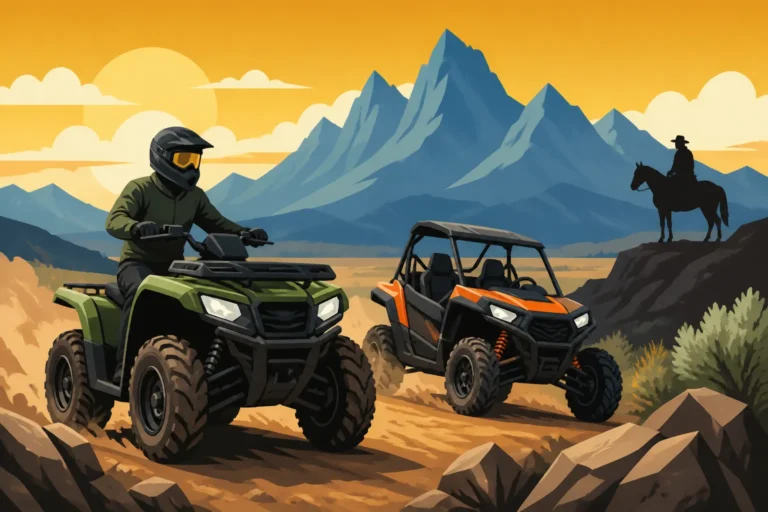
There's nothing quite like the crisp air and stark beauty of Wyoming in winter, especially when you're out on your ATV or UTV, exploring those wide-open spaces. But let's be honest, that beauty often comes hand-in-hand with some serious challenges under your tires. Anyone who's tried to navigate a frozen two-track, perhaps covered in a dusting of snow or glazed with black ice, knows that heart-stopping feeling when your tires just don't grip. It's frustrating, it's a little scary, and it can quickly turn an epic winter ride into a white-knuckle crawl. This guide is all about tackling those slick, frozen two-tracks with confidence, specifically diving deep into how studded tires can transform your winter riding experience.
The Reality of Winter Riding on Wyoming's Two-Tracks
Wyoming's vast landscape is crisscrossed by countless "two-tracks." If you're new to the region or off-roading, you might wonder what exactly these are. Think of them as informal roads or trails, often unpaved, created by repeated vehicle use. They might be old ranch roads, service paths for oil and gas operations, or simply routes that riders and hunters have forged over generations. They’re rarely maintained, meaning you'll encounter everything from loose gravel to muddy ruts, rocky climbs, and, in winter, a whole new level of treacherous surfaces.
When the mercury drops and stays there, these two-tracks become a mosaic of frozen challenges. The ground beneath can freeze solid, turning packed dirt into something akin to concrete. Add a layer of snow – whether it's fresh powder, wind-scoured hardpack, or melted-then-refrozen crust – and you're dealing with varying degrees of slickness. We've all been there: you're cruising along, enjoying the quiet of a winter morning, and suddenly, you hit a patch where sunlight didn't quite reach, or where a slight depression held a puddle that is now pure ice. That instant loss of traction, the way your machine skitters sideways, it's enough to make you clench your jaw and rethink your entire day's ride. It’s this unpredictable mix of frozen dirt, ice, and packed snow that makes winter riding so exhilarating, yet also so demanding on your equipment and your skill.
Standard ATV and UTV tires, designed primarily for mud, rocks, or loose dirt, simply aren't engineered for consistent grip on these frozen, slick surfaces. Their aggressive lugs might dig into soft earth, but they just skate across ice or hard-packed snow. The rubber compound often stiffens in extreme cold, further reducing its ability to flex and conform for grip. This isn't just about discomfort; it's a genuine safety concern. Losing control on a two-track, especially one with a steep drop-off or unseen obstacles, can lead to a serious accident. Imagine trying to navigate a gentle downhill slope that's become a sheet of ice, your brakes doing little more than locking up your wheels and sending you sliding. Or picture attempting a small, icy incline, only to spin out repeatedly, losing momentum and potentially sliding backward. These are the real-world frustrations that many Wyoming riders face when they venture out in winter, leading many to simply pack their machines away until spring.
Understanding Studded Tires for ATV/UTV Use
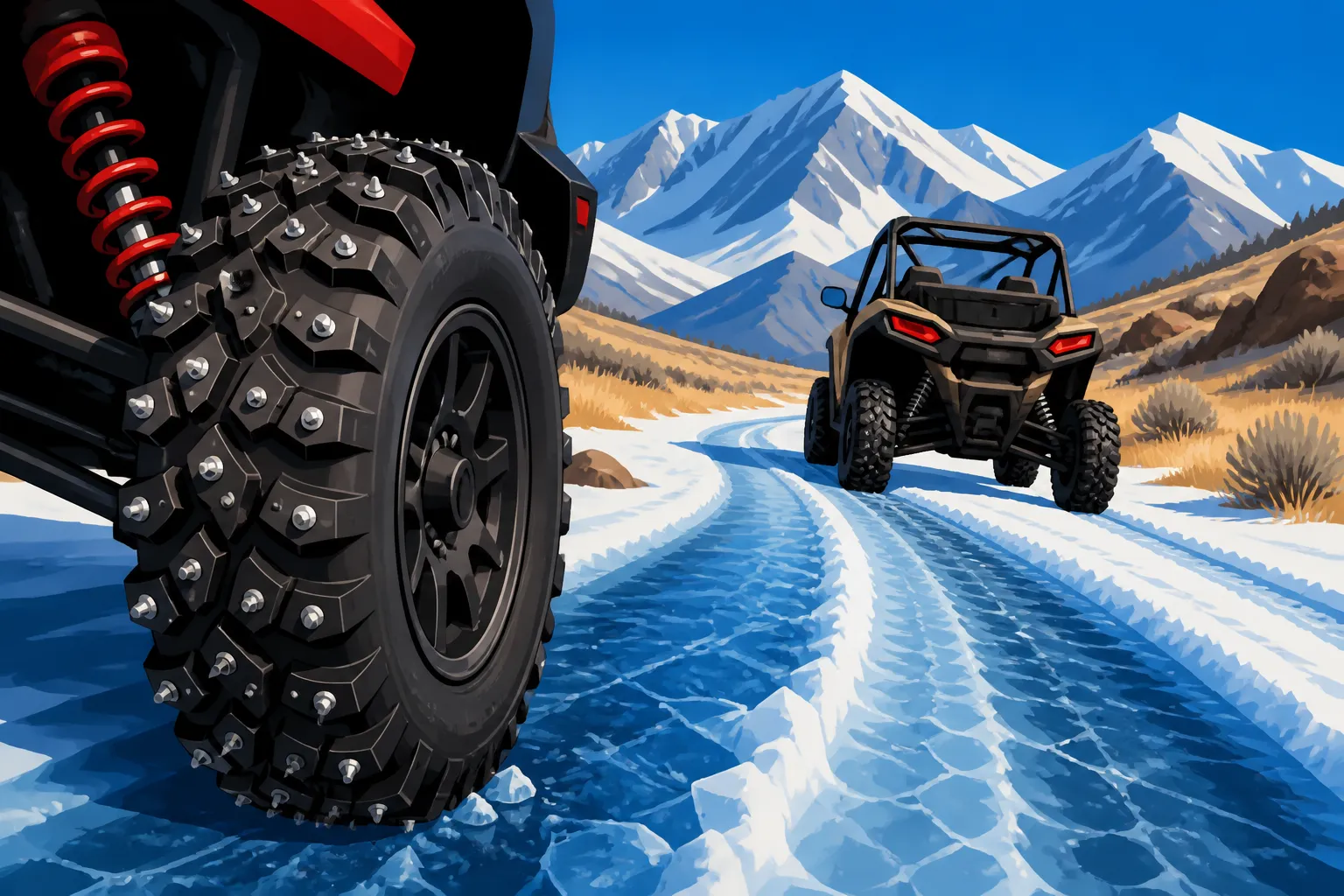
So, if standard tires aren't cutting it, what's the solution for those icy, frozen two-tracks? Enter studded tires. These aren't just your regular off-road tires; they're specifically designed to bite into frozen surfaces, offering a level of grip that unstudded tires simply cannot match. At their core, studded tires incorporate small, hardened metal studs into their tread blocks. These studs protrude slightly from the rubber surface, acting like tiny, sharp claws that dig into ice and hard-packed snow. It's a simple concept, but incredibly effective for improving traction when conditions are slick.
There's a bit of variety when it comes to studded tires, and understanding the differences can help you choose the right set for your Wyoming adventures. Some tires come with pre-molded holes in the tread, ready for you to insert screw-in studs yourself. This gives you flexibility, allowing you to stud them for winter and remove the studs for summer riding, although repeated removal and re-insertion can wear down the holes. Other tires might have factory-installed studs, which are often more robust and permanently integrated into the tire's construction, offering superior durability and performance right out of the box. The studs themselves can vary in material and design – from steel studs with carbide tips for maximum penetration and wear resistance, to more basic steel studs. The key is that these metallic points create friction and purchase where rubber alone would merely slide. They essentially transform your tire's contact patch into a mini-ice pick, digging in rather than gliding over.
The science behind their effectiveness is pretty straightforward: ice and hard-packed snow are incredibly dense surfaces, offering little "give" for rubber treads to flex into. The metal studs, however, concentrate the weight and force of your machine onto tiny, sharp points, creating immense localized pressure that allows them to physically penetrate and chip away at the frozen surface. This mechanical interlocking is what provides the dramatic increase in traction. When you're navigating a tricky section of frozen two-track near, say, the Snowy Range Trails out of Laramie, and you need to confidently turn or climb a slick incline, those studs are what keep you moving forward and in control. Companies like SuperATV offer a range of tire options and accessories, and if you're exploring studded tires, their selection might include tires designed with robust tread patterns that are ideal for studding, or even complete studded tire kits. It's all about ensuring you have that critical bite when every other surface is betraying your regular tires.
Benefits and Drawbacks of Studded Tires on Frozen Two-Tracks
Deciding whether studded tires are right for your winter riding in Wyoming involves weighing the significant advantages against some potential downsides. On the benefit side, the biggest one is undeniably enhanced safety. We've talked about that terrifying slide on ice; studded tires dramatically reduce this risk. You'll experience far greater control, especially when braking, accelerating, and turning on slick, frozen ground or packed snow. This means you can maintain a more consistent speed, rather than having to creep along, and you'll have the confidence to tackle icy climbs or descents that would be suicidal on regular tires. Being able to confidently navigate challenging sections of trail, perhaps on some of the more remote [Wyoming's Enrolled Roads and Trails] that get less traffic and therefore stay snow-packed, makes winter riding much more enjoyable and less stressful. This improved grip also reduces rider fatigue, as you're not constantly fighting the machine to maintain control.
However, it's not all smooth, grippy sailing. Studded tires do come with some drawbacks that you need to consider. First and foremost is the cost. Adding studs or buying pre-studded tires is an investment that's typically more expensive than standard tires. There's also the potential for damage to non-frozen surfaces. While they excel on ice and snow, those sharp metal studs can really dig into and tear up soft dirt or pavement. If you're frequently transitioning between frozen two-tracks and sections of exposed, unfrozen road – like a stretch of county road leading to a trailhead – the studs will wear down faster and can cause accelerated wear on asphalt or concrete. This leads to increased wear on the studs themselves; they'll eventually dull or fall out, especially if ridden hard on abrasive surfaces. Finally, studded tires can be noisier on hard surfaces, creating a distinct "clicking" sound, and they might feel a little different in terms of ride comfort due to the stiffer tread blocks and stud presence.
To help visualize the trade-offs, here’s a quick comparison:
| Feature | Standard ATV/UTV Tires (Winter Use) | Studded ATV/UTV Tires (Winter Use) |
|---|---|---|
| Primary Grip Surface | Loose dirt, mud, rocks (poor on ice/hard snow) | Ice, hard-packed snow, frozen ground |
| Traction on Ice | Minimal to non-existent; prone to sliding | Excellent; studs bite into surface |
| Traction on Packed Snow | Poor; limited bite, prone to spinning | Very Good; studs and tread work together |
| Traction on Frozen Dirt | Fair to Poor; can be very slick | Good; studs find purchase on hard surface |
| Cost | Generally lower | Generally higher (initial purchase or studding) |
| Noise on Hard Surfaces | Moderate | Higher; distinct clicking sound |
| Wear on Non-Frozen Surfaces | Low | High; can damage pavement, studs wear faster |
| Ride Comfort | Often smoother on varied terrain | Can be slightly stiffer or less compliant |
| Safety in Icy Conditions | Low | High |
When thinking about durability and finding options that can withstand the rigors of Wyoming winter riding, it's worth checking out reputable brands. For instance, SuperATV often has a selection of tires designed for extreme conditions, and you might find models that are either pre-studded or excellent candidates for adding studs yourself. The key is to think about your typical riding conditions. If you're hitting those frozen two-tracks regularly, especially in areas where ice is a constant concern, the safety and performance benefits of studded tires often outweigh the drawbacks. However, if your winter rides are rare, or mostly on soft, deep snow rather than ice, you might find that aggressive, unstudded snow tires are sufficient.
Practical Considerations for Using Studded Tires in Wyoming
Once you've decided that studded tires are the way to go for your winter adventures, there are some practical steps and considerations to keep in mind to ensure you get the most out of them and stay safe.
Installation and Maintenance
If you're opting for screw-in studs, installation can be a DIY project, but it requires patience and precision. You'll need a special stud gun or a dedicated tool to properly insert the studs into the pre-drilled holes in your tires. It's crucial to use the correct length of stud for your tire's tread depth to ensure proper protrusion and longevity. Too short, and they won't grip; too long, and they might tear the tire from within or wear out too quickly. If you're not comfortable doing it yourself, many powersports shops can do the installation for you. For factory-studded tires, installation is as simple as mounting any other tire.
Maintenance is also key. Regularly inspect your tires for lost or significantly worn studs. Over time, especially with aggressive riding or frequent use on non-frozen surfaces, studs can pop out or become dull. While you can often replace individual screw-in studs, maintaining factory-installed studs might require more specialized repair or replacement of the entire tire. Keep an eye on tire pressure as well; proper inflation contributes to optimal stud performance and tire wear.
Legal Aspects and Road Use
One common question that pops up is about the legality of studded tires, especially if you anticipate riding on any public roads. In Wyoming, the laws around [Wyoming Rules for Riding a Snowy Road] and general road use for ATVs and UTVs can be nuanced. Generally, for off-highway use on designated trails and two-tracks, studded tires are typically fine. However, if your winter ride involves using an "enrolled" road that is technically a public thoroughfare, you might need to consider specific state and local regulations regarding studded tires on pavement. While less common for ATVs/UTVs than passenger vehicles, some jurisdictions may have restrictions on when or where studded tires can be used to prevent road damage. Always check with the relevant local authorities for the specific roads you plan to travel. For the most part, though, when you're sticking to genuine frozen two-tracks, whether on BLM land or within a national forest, studded tires are generally not an issue. Just be mindful if your route takes you through a town or on a major state highway, as those are different beasts entirely.
Combining with Other Winter Riding Gear and Preparation
Studded tires are fantastic, but they're just one piece of the winter riding puzzle. Proper winter riding gear is essential for staying warm and safe. Think layers of clothing, insulated and waterproof outerwear, heated grips, and hand muffs. Shorter daylight hours in winter also mean you're more likely to be riding [Wyoming Rules for Riding After Dark], so ensure your machine's lighting is in top shape, perhaps with auxiliary lights for better visibility.
Always carry emergency supplies: a first-aid kit, a small toolkit, tire repair kit (for punctures, not just studs), a tow strap, a shovel, fire starter, and high-energy snacks. Given Wyoming's often remote winter terrain, a communication device like a satellite messenger is a lifeline in areas without cell service. [Wyoming Trails Closed by Snow] are a real thing, so always check trail conditions and closures before heading out. And remember, even with studded tires, there's no substitute for cautious riding, especially when conditions are changing or visibility is poor.
Finally, while studded tires provide excellent grip on ice and hard-packed snow, consider your tread pattern as well. A more aggressive, open tread pattern will still be beneficial for shedding loose snow and finding traction in deeper drifts, complementing the studs' ice-gripping ability. When you're looking for gear to outfit your machine for winter, from lights to winches, a company like SuperATV can often be a good resource for components that can help you tackle the season's challenges. They often carry products that can enhance your machine’s winter capability, helping you conquer those frozen two-tracks safely and enjoyably.
Disclaimer
This article is for general informational purposes only and does not constitute professional advice. Laws, prices and regulations vary by location and change over time. Consult a qualified professional for guidance on your specific situation.