What Insurance an MPV on the Road Needs
It's a common dilemma for riders in Wyoming: you've taken the steps to make your off-road machine street legal, possibly even driven it on an enrolled road, but now you're wondering if that standard ORV permit is enough for the insurance side of things. The truth is, once your ATV or UTV leaves the designated trail and hits a public road as a multipurpose vehicle (MPV), the rules of the game change entirely, especially concerning what kind of insurance you need. This guide will clarify the specific insurance requirements and smart considerations for operating your MPV legally and safely on Wyoming's roads.
Understanding Wyoming's MPV Designation and Road Use
Riding in Wyoming offers some incredible freedom, but with that freedom comes responsibility, especially when you bring your machine onto shared public roads. There's a big difference between simply having an ORV permit for the trails and having your machine legally designated as a Multipurpose Vehicle (MPV) for road use.
The Core Difference: ORV vs. MPV
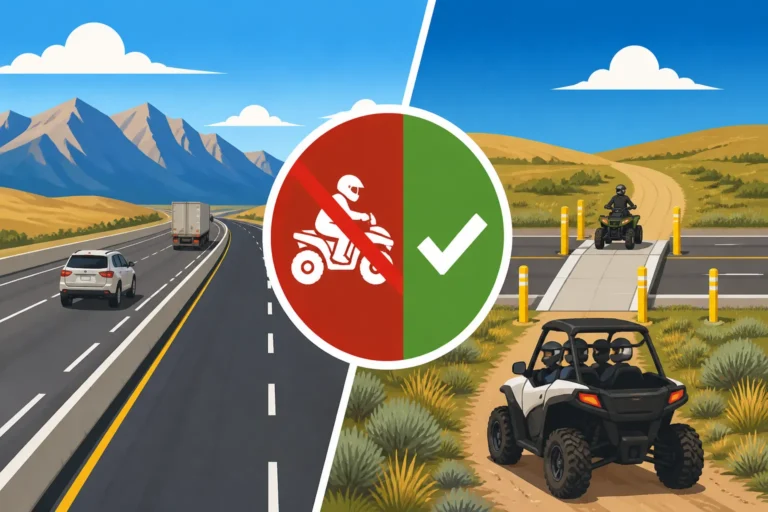
Think of it this way: your standard Off-Road Vehicle (ORV) permit, which you pick up at various vendors across the state, is your golden ticket for Wyoming's vast network of trails, two-tracks, and designated riding areas. It tells the state you're cleared for off-pavement adventure. However, that ORV decal doesn't grant you general access to paved roads or state highways. For that, your machine needs to transform into something more: an MPV.
Becoming an MPV isn't just a change in designation; it's a physical and legal metamorphosis. Your machine must meet specific criteria, like certain weight limits (between 300 and 3,000 pounds) and a minimum seat height (at least 24 inches from the ground), to qualify. Once it meets these physical requirements, you then go through a specific titling and registration process with your county clerk and treasurer, respectively, to get a street-legal plate. This plate, unlike the simple ORV decal, signifies your machine is ready for the road. It’s a huge step from just trail riding, opening up new possibilities for connecting trails, running errands in town, or simply enjoying the scenic backroads. You can find more details on this process in [Titling a Multipurpose Vehicle in Wyoming] and [Registering a Side-by-Side as a Wyoming MPV].
Why Road Use Changes Everything for Insurance
When your machine is strictly an ORV, used only on designated trails or private land, the need for insurance, while always a good idea, isn't typically mandated by state law for trail riding itself. Most riders might carry some form of off-road vehicle insurance, or perhaps it's covered under a broader homeowners or umbrella policy, but it’s often for personal protection against damage or theft rather than legally required liability.
However, the moment your machine earns that MPV designation and you intend to drive it on a public road, everything changes. Roads are shared spaces, often at higher speeds, with larger vehicles, pedestrians, and cyclists. The potential for accidents—and the subsequent financial liability—skyrockets. A fender bender involving another car, damage to public property, or even an injury to a pedestrian, can lead to devastating financial consequences if you're not properly insured. Wyoming law recognizes this increased risk, which is why it mandates specific insurance coverage for any vehicle, including an MPV, operating on public roadways. It's about ensuring financial responsibility to protect all parties involved, not just yourself and your machine.
Wyoming's Mandatory Insurance Requirements for MPVs
When you take your MPV onto the asphalt in Wyoming, you're now playing by the same rules as cars, trucks, and motorcycles when it comes to financial responsibility. This means specific insurance coverage isn't just a suggestion; it's a legal obligation.
The Bare Minimum: Liability Coverage
The cornerstone of Wyoming's road-legal insurance requirement for any motor vehicle, including your newly registered MPV, is liability coverage. This isn't about protecting your machine from damage; it's about protecting you from the financial consequences if you cause an accident that results in injury to others or damage to their property.
Wyoming law stipulates minimum liability limits, often expressed as numbers like X/Y/Z, which represent coverage for bodily injury per person, bodily injury per accident, and property damage per accident, respectively. These are the absolute lowest amounts you can carry and still be legal. For example, if you accidentally rear-end a sedan, your liability insurance would step in to cover the other driver's medical bills and the cost of repairing their car, up to your policy limits. Without it, those costs would fall squarely on your shoulders, potentially leading to lawsuits, wage garnishments, and significant financial hardship. It's truly a safety net for your wallet, ensuring that you can meet your obligations if you're found at fault. You can learn more about this general requirement in [Wyoming ATV Insurance Requirement]. It's crucial that you carry proof of this insurance with you whenever you're operating your MPV on public roads, just as you would with any other vehicle.
Beyond Liability: Other Coverage Options to Consider
While liability is mandatory, smart riders know that minimum coverage often isn't enough to fully protect their investment or their well-being. Several other types of coverage are highly recommended, especially given the unique nature and value of many MPVs.
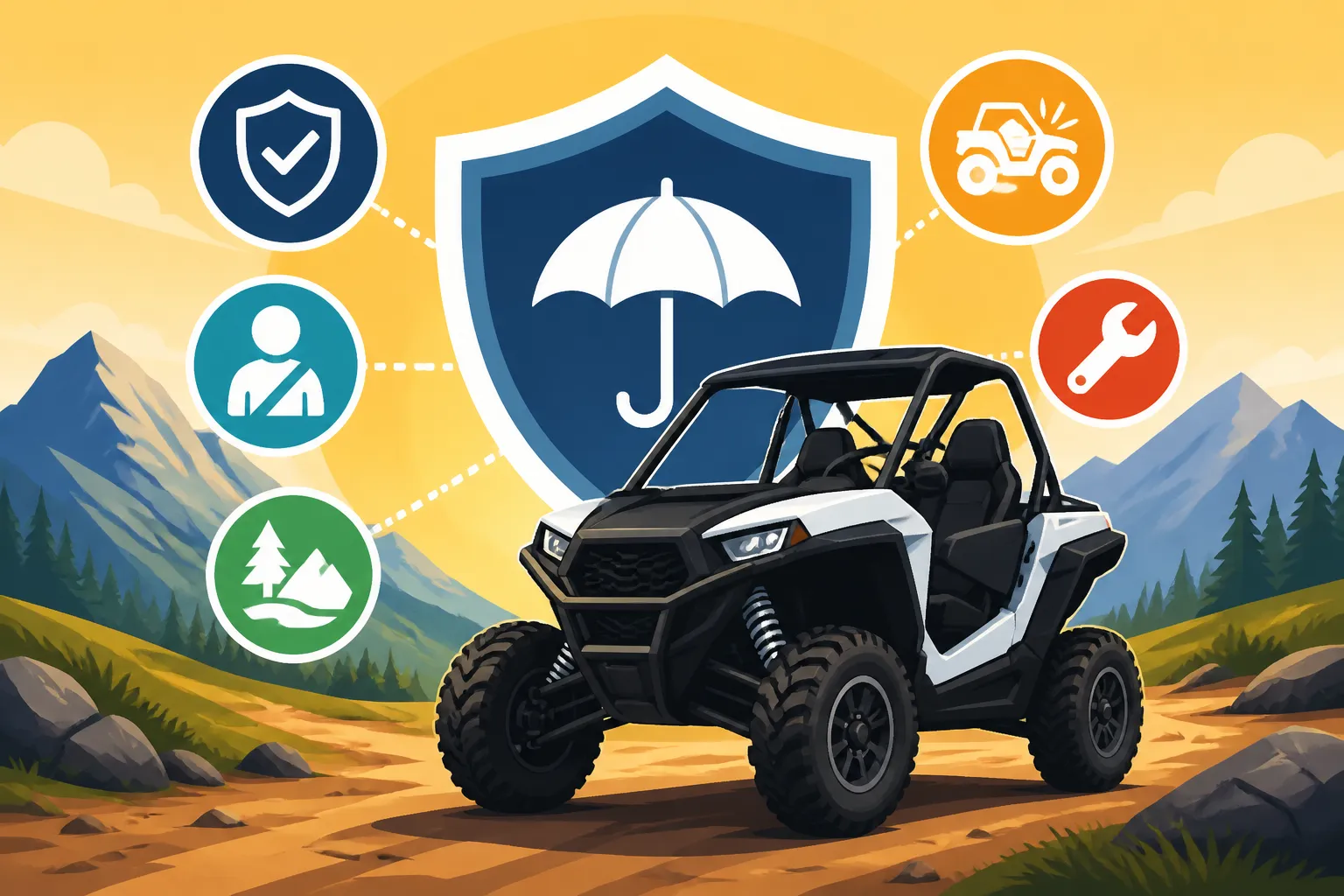
Comprehensive Coverage: This protects your machine from events outside of a collision. Think of incidents like theft, fire, vandalism, falling objects (like a tree branch during a windy Wyoming storm), or damage from natural disasters. If you've invested significantly in your MPV, perhaps even adding some robust aftermarket components from companies like SuperATV, comprehensive coverage ensures that if something unexpected happens while it's parked or not being ridden, you're not left with a total loss.
Collision Coverage: This is the flip side of liability. While liability covers damage to other vehicles or property, collision coverage pays for damages to your MPV if you're involved in an accident, regardless of who is at fault. If you accidentally hit a deer on a county road, or if another driver without insurance causes an accident, collision coverage helps you get your machine repaired or replaced.
Uninsured/Underinsured Motorist (UIM) Coverage: This is incredibly valuable. Despite laws, some drivers on the road don't carry any insurance, or their coverage is far too low to adequately pay for serious damages or injuries. If you're hit by such a driver, UIM coverage can step in to cover your medical expenses and damage to your MPV. Given the inherent vulnerability of an MPV compared to a passenger car, this can be a lifesaver.
Medical Payments (MedPay) or Personal Injury Protection (PIP): These cover medical expenses for you and your passengers, regardless of who caused the accident. This can be critical for covering deductibles, co-pays, or other out-of-pocket medical costs that might arise after an incident. When you consider the exposed nature of riding an MPV, having this medical safety net can provide immense peace of mind. Discussing these options with an insurance agent can help you tailor a policy that truly fits your needs, especially if your machine has custom features or high-value additions.
Navigating Insurance Providers and Policies for Your MPV
Finding the right insurance for your Wyoming MPV can sometimes feel like navigating a maze, but understanding your options and what impacts your premiums will make the process much smoother.
Where to Get MPV Insurance
The good news is that as MPVs, UTVs, and ATVs have grown in popularity for both recreation and utility, insurance providers have adapted. You're no longer limited to obscure specialty providers, though they certainly have their place.
Many of the traditional auto insurers you already use for your car or truck now offer policies specifically tailored for MPVs. They often have dedicated powersports divisions or provide specific endorsements that can be added to an existing auto or motorcycle policy. This can sometimes lead to multi-policy discounts, which is always a bonus. Don't assume your current auto insurer can't help; it's always worth asking them first.
Beyond the big names, there are also specialty off-road vehicle insurers who focus exclusively on the powersports market. These companies often have a deeper understanding of the unique risks and features of machines like your MPV. They might be more flexible when it comes to covering aftermarket modifications, such as lift kits, upgraded tires, or heavy-duty bumpers from companies like SuperATV, which can sometimes be a sticking point with more general insurers. These specialized providers might also offer more tailored roadside assistance or recovery options for off-road scenarios.
The key is to compare quotes from several different sources. Don't just go with the first option. Get quotes from your current provider, a few other major insurers, and at least one specialty powersports insurer. This will give you a comprehensive view of pricing and coverage options, allowing you to make an informed decision that balances cost with adequate protection. Remember, not all policies are created equal, and what one company considers standard, another might treat as an add-on or not cover at all, especially when it comes to custom parts.
Key Factors Influencing Your MPV Insurance Premium
Just like with any other vehicle, several factors play a significant role in determining how much you'll pay for your MPV insurance premium. Understanding these can help you manage costs and make smart choices.
Driver History: Your personal driving record is a huge factor. A clean history with no accidents or traffic violations will almost always result in lower premiums. Conversely, if you have a history of speeding tickets, DUIs, or at-fault accidents, expect to pay more. Your age and experience riding also play a part; younger, less experienced riders often face higher rates. You'll need the appropriate license endorsement to drive an MPV on Wyoming roads. Find out more at [Wyoming Motorcycle Endorsement for an MPV] and [Wyoming Driver's License Rules for ORVs].
Machine Type and Value: The make, model, year, and original value of your MPV directly impact its insurance cost. A brand-new, high-performance side-by-side will generally cost more to insure than an older, lower-powered ATV. Furthermore, any significant modifications or aftermarket accessories you've added, especially expensive performance parts or heavy-duty protection from brands like SuperATV, can increase the insured value and, consequently, the premium. Always disclose these modifications to your insurer to ensure they are properly covered.
Where You Live and Ride: Your geographical location can influence rates. If you live in an area with a high rate of vehicle theft or a higher density of traffic and accidents, your premiums might be higher. Insurance companies also consider where the machine is typically stored (e.g., in a locked garage versus uncovered in a driveway). The primary roads you plan to use, whether mostly rural county roads or busier state highways, can also be a factor. While a county or forest road may feel safer, accidents can still happen. [Wyoming Rules for Riding a County Road], [Wyoming Rules for Riding a Forest Road], and [Wyoming Rules for Riding a BLM Road] outline different road types.
Coverage Limits and Deductibles: This is a direct trade-off. Choosing higher liability limits or adding comprehensive and collision coverage will increase your premium. However, it also significantly boosts your financial protection. Similarly, your deductible—the amount you pay out of pocket before insurance kicks in—affects your premium. A higher deductible generally means a lower premium, but be sure you can comfortably afford that deductible in the event of a claim. It's a balance between managing your monthly costs and ensuring you're adequately covered when it truly matters.
Practical Advice for Insuring Your Wyoming MPV
Navigating the world of insurance can be daunting, but with a few practical tips, you can ensure your Wyoming MPV is properly covered and that you understand the intricacies of your policy.
Gathering Your Paperwork and Understanding Your Policy
When you're ready to get a quote or purchase insurance for your MPV, having all your ducks in a row will streamline the process. You'll typically need your MPV's Vehicle Identification Number (VIN), which uniquely identifies your machine, along with details about its make, model, and year. Be prepared to provide information about how it's equipped, especially any significant aftermarket additions. The insurer will also ask for your driver's license information and potentially your driving history. Having all this documentation readily available will make the quoting process much faster and more accurate.
Once you have a policy, the real work begins: reading the fine print. I know, I know, it's boring, but it's absolutely crucial. Pay close attention to the exclusions – what the policy doesn't cover. Understand your deductibles for collision and comprehensive claims, and know how they will impact your out-of-pocket costs if you need to file a claim. If you've spent good money on accessories, say from SuperATV, confirm they are explicitly covered, and at what value. Some standard policies might only cover original factory parts, leaving your upgrades unprotected unless you have a specific endorsement. Don't be afraid to ask your agent to walk you through any confusing sections. Finally, always carry proof of your insurance with you when riding. A physical card or an electronic copy on your phone should suffice, as a warden or law enforcement officer might ask for it.
What Happens if You Don't Have Insurance?
Choosing to operate your MPV on Wyoming's public roads without the legally mandated insurance is a risky gamble with potentially severe consequences. It's not just a minor infraction; it carries significant legal and financial penalties that can far outweigh the cost of a premium.
Legal Penalties: If you're pulled over or involved in an accident and cannot provide proof of financial responsibility, you're looking at fines, which can be substantial. Beyond monetary penalties, Wyoming can suspend your vehicle registration and even your driver's license. Imagine being unable to drive your car or truck because you neglected to insure your MPV. These consequences are real and can severely impact your daily life. Information on related fines can be found in [Wyoming Fines for Riding Without a Permit].
Financial Consequences: This is where the real nightmare can begin. If you cause an accident without liability insurance, you are personally and solely responsible for all damages and injuries. This means paying for the other driver's medical bills, their vehicle repairs, and any associated legal fees entirely out of your own pocket. If the costs are high, this could lead to lawsuits, liens against your assets, and even wage garnishment. A single, unfortunate incident could financially cripple you for years.
The peace of mind that comes with knowing you're protected, both legally and financially, is truly invaluable. The small investment in proper MPV insurance is a safeguard against massive potential losses, ensuring that your adventures on Wyoming's enrolled roads remain joyful, not disastrous.
Here's a quick look at how insurance needs differ between typical ORV trail use and MPV road use:
| Feature | Standard ORV (Trail Use Only) | MPV (Road Legal) |
|---|---|---|
| Legal Insurance Mandate | Generally not required by state law for trail riding | Mandatory minimum liability coverage for public road use |
| Primary Risk Covered | Damage/theft of own machine, personal injury (if elected) | Damage/injury to others (liability); own machine/medical (optional) |
| Proof Required | Not typically required trailside | Required to carry proof on public roads |
| Coverage Focus | Personal machine protection, optional personal injury | Legal compliance (liability), broad protection against public risks |
| Policy Type | Often specialty ORV policy or endorsement on homeowners | Dedicated MPV policy, powersports endorsement, or general auto insurer |
| Aftermarket Parts | May be covered if specifically endorsed | Crucial to ensure coverage for items like SuperATV upgrades |
| Roadside Assistance | Less common, often self-recovery | More commonly offered, similar to auto policies |
Disclaimer
This article is for general informational purposes only and does not constitute professional advice. Laws, prices and regulations vary by location and change over time. Consult a qualified professional for guidance on your specific situation.