Roads Open to Some Machines but Not Others
It can be incredibly frustrating to hit a perfectly good stretch of county road on your ATV or side-by-side, only to realize you're not entirely sure if you're actually allowed to be there. Wyoming's rules for riding off-road vehicles (ORVs) on public roads can feel like a tangled mess, with some machines granted access while others are strictly prohibited. This guide will walk you through the nuances of Wyoming law, helping you understand which roads are open to certain machines, why these distinctions exist, and what you need to do to ride legally and confidently.
Understanding Wyoming's Core Distinction: ORV vs. MPV
One of the biggest sources of confusion for riders in Wyoming is the difference between an Off-Road Vehicle (ORV) and a Multipurpose Vehicle (MPV). It’s not just semantics; it's the fundamental distinction that dictates where your machine can and cannot legally travel, especially when it comes to paved or gravel public roads. Many riders assume "off-road vehicle" means "can't go on roads," which is often true, but Wyoming carved out a specific category for some machines to bridge that gap.
The Fundamental Difference: Off-Road Vehicle (ORV)
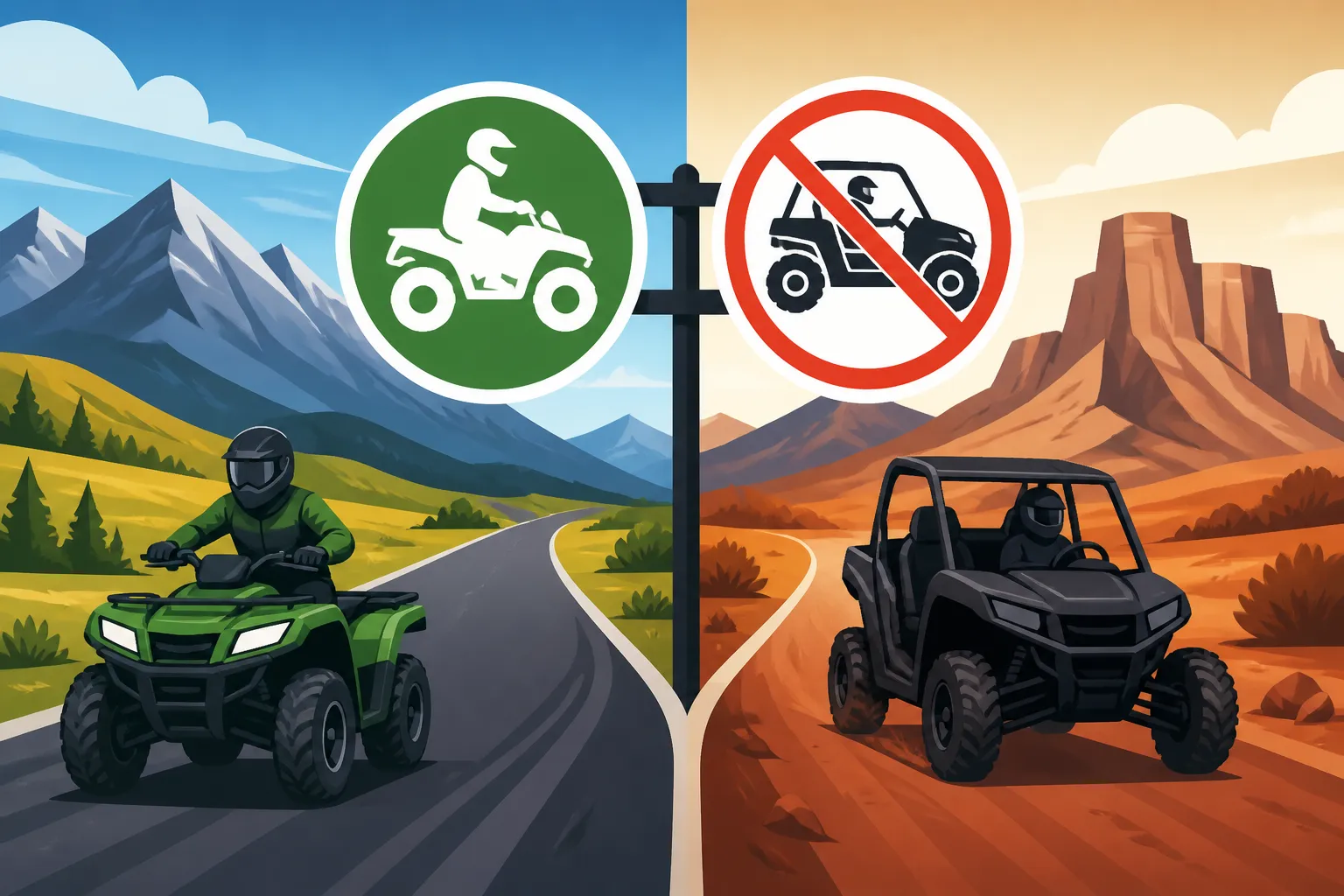
An ORV, in Wyoming's eyes, is primarily designed for off-highway use. Think dirt bikes, most traditional ATVs, and even some smaller side-by-sides that don't meet specific criteria for the MPV class. If your machine is an ORV, its default status is that it's not street legal. This means you generally can't just hop on a state highway or even many county roads with it. You're expected to stick to designated trails, specific ORV-friendly routes, or private land where you have permission.
Now, this doesn't mean ORVs are entirely banished from all roads. Wyoming does have a system of [Wyoming's Designated ORV Roads] where these machines can legally operate. These are usually roads that have been specifically enrolled by local jurisdictions (counties, towns) in coordination with the Wyoming Department of State Parks, Historic Sites and Trails. They're often gravel roads in rural areas, acting as connectors between trail systems or providing access to trailheads. However, riding an ORV on a non-designated road can lead to a hefty ticket, and that's a headache no one wants, especially when you're just trying to get from Point A to Point B. You'll always need a [Wyoming ORV Permit] to ride these designated routes and any enrolled trails.
The Road-Legal Path: Multipurpose Vehicle (MPV)
Here's where things get interesting for many side-by-side owners. In 2008, Wyoming introduced the Multipurpose Vehicle (MPV) class. This was a game-changer for many riders who wanted the utility and comfort of a side-by-side but also the flexibility to legally use it on more public roads. An MPV is essentially a specific type of ORV that meets certain criteria, allowing it to be titled, registered, and plated for road use, much like a car or truck.
To qualify as an MPV, your machine must typically meet a few key requirements:
- Weight: It needs to weigh between 300 and 3,000 pounds. So, your super-light sport quad isn't going to make the cut, nor will a massively heavy farm utility vehicle. This [Wyoming MPV Weight Limits] rule is pretty strict.
- Seat Height: The seat must be at least 24 inches from the ground. This helps distinguish it from machines where the rider straddles the engine, like a dirt bike or traditional ATV. You can find more details on this in [Wyoming MPV Seat Height Rule].
- Wheels: It must have four wheels.
- Steering: It must be controlled by a steering wheel, not handlebars.
If your machine, typically a side-by-side, meets these specific criteria, you can then go through the process of getting a [Wyoming MPV Title Requirements] and eventually a [Wyoming MPV Plate Requirements]. This essentially transforms your off-road machine into a road-legal one, opening up a much wider network of roads for your adventures. This is why you often see side-by-sides with license plates in Wyoming – they’ve gone through the MPV process.
Why Your Machine Might Not Qualify
It's a common disappointment to find your beloved machine doesn't quite fit the MPV definition. Perhaps your ATV is under 300 pounds, or it has handlebars instead of a steering wheel. Maybe your side-by-side tips the scales at over 3,000 pounds when loaded, or its custom suspension means the seat height is off. For these machines, the default ORV classification sticks, and with it, the limitations on where you can legally ride on public roads.
This doesn't mean you're out of luck entirely. As an ORV, you still have access to Wyoming's vast network of trails and [Wyoming's Enrolled Roads and Trails]. However, for those dreams of driving your quad from your cabin directly into town for supplies, or linking up multiple trail systems via a stretch of state highway, it's the MPV designation that makes it possible. Always double-check your machine's specifications against [Wyoming's MPV Definition in W.S. 31-1-101] to avoid any nasty surprises.
Navigating Wyoming's Roads: What's Open and What's Not
Understanding the difference between an ORV and an MPV is just the first step. The next is knowing which roads are open to which type of machine. Wyoming has a nuanced approach, and simply seeing another ORV on a road doesn't automatically mean it's legal for everyone. It all comes down to specific designations and the type of vehicle you're operating.
Designated ORV Roads and Trails
For traditional ORVs (ATVs, dirt bikes, side-by-sides that don't meet MPV criteria), access to public roads is limited to those explicitly "designated" or "enrolled." These are typically county roads or certain federal land roads (Forest Service, BLM) that have been formally opened to ORV use. The idea here is to create safe corridors for riders to connect to trail systems or access remote areas, without allowing wholesale, unregulated ORV use on all roads.
When a road is designated for ORV use, it will usually be clearly marked with signage indicating it's open to ORVs. You'll also find this information on official maps, such as those provided by the Forest Service or BLM (Motor Vehicle Use Maps, or MVUMs). It's absolutely crucial to consult these resources before you head out. Don't rely solely on what your buddy told you or what looks like a "well-used" trail. Riding an ORV on a non-designated road can lead to [Wyoming Fines for Riding Without a Permit] and other penalties. Always carry your [Wyoming Trails Program Contact] information or maps to be sure.
The MPV's Expanded Road Access
If your side-by-side qualifies and you've gone through the process to get it titled, registered, and plated as an MPV, your road access significantly expands. [Are ATVs Street Legal in Wyoming?] becomes a much more nuanced question, as certain side-by-sides (MPVs) can indeed be. An MPV is generally allowed on any public road where cars and trucks can go, with some key exceptions.
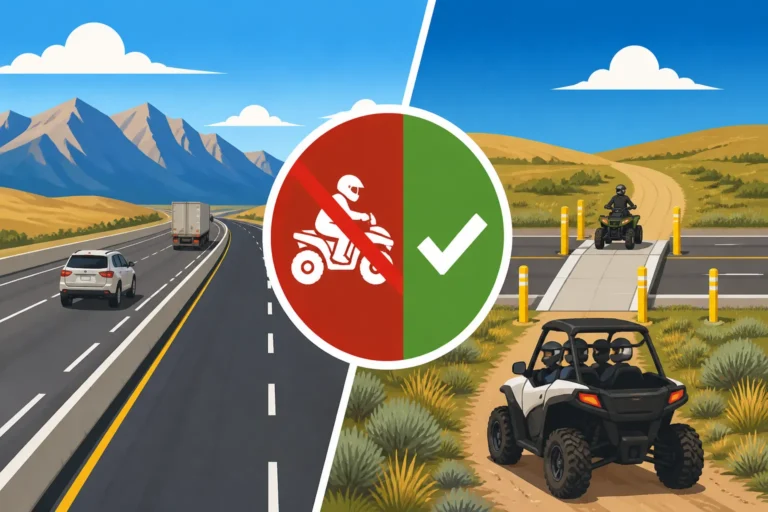
- Interstates: MPVs are typically prohibited from interstate highways. This is a safety measure due to the higher speeds and volume of traffic on interstates. While some specific grade-separated crossings are allowed, riding on the interstate is usually a no-go.
- High-Traffic Areas: While not always explicitly banned by statute, local municipalities (cities and towns) often have ordinances that restrict ORV or MPV use on specific city streets, especially in commercial or high-density residential areas. Always check local city ordinances if you plan to ride your MPV within town limits.
For the most part, though, an MPV gives you incredible freedom. You can drive it down a scenic paved highway to reach a trailhead, run errands on county roads, or even explore the backroads of our national forests and BLM lands without fear of breaking the law, provided you're following all other traffic laws and equipment requirements. It's truly a game-changer for many who enjoy multi-day backcountry trips or simply want more versatility from their machine.
Roads Where No Off-Road Machine Belongs
Despite the designations and MPV rules, there are still roads where no ORV or MPV, regardless of how it's equipped, should ever be. These typically include:
- Wilderness Areas: By definition, wilderness areas prohibit all motorized vehicles, so any roads or trails within these boundaries are off-limits.
- Private Property Without Permission: This might seem obvious, but it's a critical point. A two-track across a ranch might look like a public road, but if it's private land and you don't have explicit permission from the landowner, you are trespassing. [Wyoming Rules for Crossing Private Land] are very clear on this.
- Roads Closed Seasonally: Many forest and BLM roads are subject to seasonal closures, often for wildlife protection (winter range) or due to weather conditions (mud season). These closures apply to all vehicles, including ORVs and MPVs. Pay close attention to signs and maps for closure dates.
- Undesignated State Highways: Unless it's an MPV with all the proper plates and equipment, an ORV is generally not allowed on state highways, even if they look quiet and remote.
Always remember that public lands in Wyoming are managed for multiple uses, and respecting all rules and regulations helps ensure continued access for everyone. When in doubt, always err on the side of caution or check with the local land management agency.
Equipping Your Machine for Wyoming's Roads
So, you've decided you want your machine to be one of the "some" that can legally ride on Wyoming's roads. If your machine meets the physical criteria for an MPV, the next step is to ensure it's properly equipped and that you, as the operator, meet all the necessary legal requirements. This isn't just about avoiding a ticket; it's about being safe and visible to other road users.
Essential Gear for MPV Road Legality
Converting your side-by-side (or qualifying ATV) into a road-legal MPV requires more than just a license plate. It needs to meet basic automotive safety standards to be legally operated alongside cars and trucks. The specific [Equipment a Wyoming Road Machine Needs] includes:
- Headlights and Taillights: These must be fully functional, clearly visible, and meet specific brightness requirements, especially if you plan to ride after dark. Your standard trail lights might be fine, but ensure they're up to par.
- Brake Lights/Stop Lamp: A working stop lamp that illuminates when you apply the brakes is mandatory. This is crucial for alerting drivers behind you.
- Turn Signals: While not always explicitly required for older vehicles, turn signals are a smart and often expected safety feature for any road-going vehicle. It's often a good idea to add them, and some interpretations of MPV rules lean towards requiring them as part of standard road equipment.
- Mirrors: At least one rearview mirror, typically on the left side, is required. Many riders opt for a full set, including a center rearview mirror and side mirrors, for maximum visibility. Companies like SuperATV offer a wide range of aftermarket mirrors designed for UTVs and ATVs that can help you meet these requirements.
- Horn: A functional horn is necessary to alert other drivers or pedestrians to your presence.
- Red Rear Reflector: A non-illuminated red reflector on the rear of the machine provides an extra layer of visibility, especially at night.
- Windshield and Wipers: While not strictly required for all ORVs, many MPVs will benefit from a windshield and potentially wipers, enhancing safety and comfort on paved roads, especially at higher speeds or in inclement weather.
- Seat Belts: If your machine came with seat belts, they must be in good working order and used by all occupants.
Before you even head to the county clerk for your title or treasurer for your plate, ensure your machine is compliant. It's better to install these items in your garage than to face an inspection failure or, worse, a roadside citation.
Driver and Insurance Requirements
Beyond the machine itself, the operator also has responsibilities when riding an MPV on Wyoming's roads:
- Driver's License: To operate an MPV on public roads, you must possess a valid driver's license. For some machines, particularly those that blur the lines with motorcycles, a motorcycle endorsement (M or MR) might be required. Always verify the specific [Wyoming Driver's License Rules for ORVs] that apply to your situation.
- Insurance: Just like any other road-legal vehicle, an MPV must carry liability insurance. This is a non-negotiable requirement for road use in Wyoming. Make sure you have proof of [Wyoming ATV Insurance Requirement] with you at all times when riding on public roads.
- Helmet Use: While not always required for adults in MPVs on roads, riders under 18 must wear an approved helmet. Even for adults, especially on an open-cab side-by-side or ATV, wearing a helmet is always a smart safety practice.
- Operating Rules: When on a public road, an MPV is expected to follow all standard traffic laws, including speed limits, stop signs, and lane etiquette. Remember, you're sharing the road with cars, trucks, and motorcycles, so predictable and safe driving is paramount.
Avoiding Common Pitfalls
Riders often fall into a few traps when trying to navigate Wyoming's road rules for ATVs and UTVs. Don't be one of them!
- Assuming All Side-by-Sides are MPVs: Just because your buddy's side-by-side has a plate doesn't mean yours qualifies. Always check your machine's specs against the MPV criteria. Many utility models or specialized recreation vehicles might be too heavy or lack the specific features.
- Ignoring the Permit: Even if your machine is an MPV and plated for road use, if you're venturing onto designated ORV trails or routes, you still need a [Wyoming's Annual ORV Permit] sticker on your machine. The MPV plate covers public roads, but the ORV permit covers the off-road trails and designated ORV roads. It's two different things, and you might need both depending on where you're riding.
- Forgetting Local Ordinances: A county road might be open to MPVs, but if that road takes you into a town, that town might have its own rules. Always check with local authorities for specific restrictions within city limits.
- Insufficient Equipment: Don't skimp on safety equipment. While some items might technically be optional, having a full array of lights, mirrors, and a horn from reliable brands like SuperATV makes you safer and less likely to attract unwanted attention from law enforcement. You can enhance your machine's road manners with quality aftermarket parts.
- Relying on Out-of-State Registrations: Wyoming does not have reciprocity agreements for ORV registrations with other states. If you're visiting from Montana or Colorado, your home state's registration sticker won't cut it on Wyoming's trails or designated ORV roads. You'll still need to purchase a [Wyoming ORV Permit for Nonresidents]. However, if your machine is plated as an MPV in another state and meets that state's requirements for street legality, it is generally recognized on Wyoming's roads under standard interstate travel laws, similar to how your car registration is recognized. Just be sure your out-of-state plate implies full road legality and not just off-road registration.
By taking the time to understand these distinctions, equip your machine correctly, and adhere to all the rules, you can unlock a huge amount of riding potential in Wyoming, making your off-road adventures even more expansive and enjoyable.
| Feature / Requirement | Off-Road Vehicle (ORV) | Multipurpose Vehicle (MPV) |
|---|---|---|
| Primary Use | Off-highway trails and designated routes | Both off-highway and public roads |
| Road Access | Limited to designated ORV roads/trails | Most public roads (county, state) with exceptions (interstates) |
| Wyoming Permit Required | Yes, for all public land riding | Yes, for all public land trail riding (in addition to plates) |
| Title Required | Generally no, unless converting to MPV | Yes, for road legality |
| License Plate Required | No | Yes, for road legality |
| Weight Criteria | Not specified for ORV class | 300 – 3,000 pounds |
| Seat Height Criteria | Not specified for ORV class | At least 24 inches from the ground |
| Steering Type | Handlebars (ATV/dirt bike) or steering wheel (UTV) | Steering wheel only |
| Driver's License | Not always required for off-road trails (age rules apply) | Yes, for public road use (may need motorcycle endorsement) |
| Insurance | Not required for off-road trails | Yes, for public road use |
| Required Equipment (Road) | Basic (headlight/taillight for night) | Headlights, taillights, brake light, horn, mirrors, reflector |
| Common Machines | Most ATVs, dirt bikes, many UTVs | Many larger side-by-sides (UTVs) |
Disclaimer
This article is for general informational purposes only and does not constitute professional advice. Laws, prices and regulations vary by location and change over time. Consult a qualified professional for guidance on your specific situation.