Riding Snow-Covered Roads in November
The crisp, cold air of a Wyoming November, often accompanied by the first significant snowfall, holds a unique allure for ATV and UTV enthusiasts. There’s something undeniably magical about riding through a snow-covered landscape, the silence broken only by the hum of your machine. But before you bundle up and hit the throttle, it’s crucial to understand that navigating Wyoming’s winter roads and trails comes with its own set of rules and challenges. This guide is here to walk you through everything you need to know to safely and legally enjoy those breathtaking snowy rides.
The Allure and the Laws of Wyoming's Winter Roads
There’s a freedom that comes with exploring Wyoming’s vast, open spaces, and for many, that freedom extends year-round, even into the snowy months. Picture this: you're cruising a county road, fresh powder dusting the sagebrush, the peaks in the distance sparkling under a low winter sun. It sounds idyllic, right? It often is, but that picture also comes with some very real responsibilities, especially concerning where and how you can ride your ATV or UTV on snow-covered public roads. The biggest frustration riders face is the misconception that if a road is public, it's fair game for any machine. In Wyoming, that's simply not the case, especially when you start talking about moving from off-road trails to actual roads.
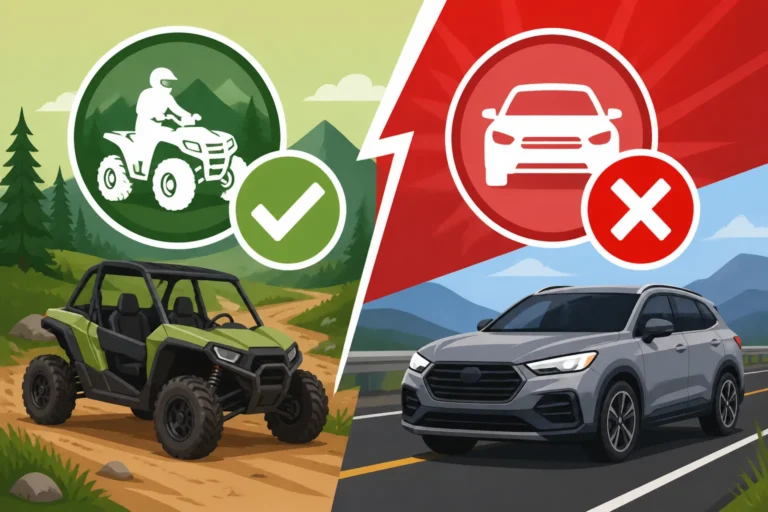
Many riders are understandably confused by Wyoming's dual system: the Off-Road Vehicle (ORV) permit and the Multipurpose Vehicle (MPV) designation. An ORV permit is strictly for designated trails and areas off the paved or graded road system. It does not make your machine street legal. For that, you need your ATV or UTV to qualify as an MPV and follow a separate set of rules for registration and equipment. You see, an ORV permit means you’re ready for [Wyoming's Enrolled Trail System] but not necessarily for the roads that connect them.
Understanding "Enrolled" Roads
When we talk about riding ATVs and UTVs on roads in Wyoming, the key term you'll encounter is "enrolled roads." These are public roads, typically county or Forest Service roads, that have been specifically designated and approved for ATV/UTV use. It's not enough for a road to simply be a public thoroughfare; it needs to be enrolled into the state's ORV program. This process involves a collaboration between various agencies, often requiring the county commissioners to agree before the State Parks, Historic Sites and Trails division can officially enroll the segment.
This might seem like an extra bureaucratic hoop, but it’s there for a good reason: safety and proper management. An enrolled road means that authorities have considered the traffic patterns, speed limits, and potential conflicts with other vehicles before allowing off-road machines. It's why you can't just take your dirt bike down any old paved highway. You really need to be checking maps and signs carefully. A route might be open in July, but November brings a whole new set of challenges and potential closures. You can often find these designated routes on official travel management maps from the Forest Service or BLM. Remember, just because a road is covered in snow doesn't automatically make it a "trail." It's still a road, with road rules. This is also where understanding [Why a Road Needs Two Designations] becomes crucial.
Essential Gear for Street-Legal Winter Riding
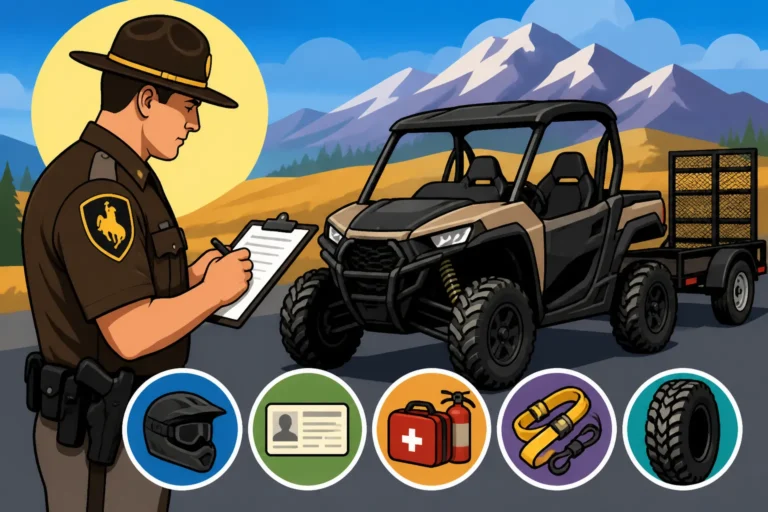
If your plan is to ride your ATV or UTV as an MPV on those scenic, snow-dusted roads, your machine needs to meet specific requirements beyond just having an ORV permit. This is where many riders get caught out. They assume a permit is all they need, but that permit is for the trails, not the roads. For road use, your machine must be equipped to handle traffic safely.
Here's a quick rundown of the gear Wyoming requires for an MPV on public roads:
- Headlights: Functional headlight, capable of illuminating objects at a specified distance.
- Taillights and Stop Lamp: A taillight that's visible from a distance and a stop lamp (brake light) that activates when you hit the brakes.
- Reflectors: At least one red rear reflector.
- Horn: A working horn to alert others.
- Mirrors: At least one left-side mirror. Many riders opt for two for better visibility.
- Muffler and Spark Arrester: This is typically required for any ORV on public lands and trails anyway, but it's especially important for road use to comply with noise regulations.
- Driver's License: You’ll need a valid driver's license with the proper endorsement (M or MR) if required.
- Insurance: Proof of liability insurance is mandatory for any MPV operating on public roads.
Beyond these legal requirements, consider winter-specific additions. Heated grips or a heated seat can be a game-changer on a cold November morning. A windshield or cab enclosure can offer significant protection from wind and snow. Companies like SuperATV offer a range of accessories from winches to full cab systems that can really enhance your winter riding experience, making it safer and much more comfortable. Always double-check [Wyoming Lighting Requirements for ORVs] to ensure you're fully compliant before heading out.
Navigating Snow-Covered Terrain: Machine Prep and Rider Skills
Riding in snow is a completely different ballgame than dry-weather cruising. The challenges range from traction issues to visibility, and ignoring them can quickly turn an enjoyable outing into a dangerous situation. Think about it: that beautiful blanket of white can hide everything from rocks and stumps to icy patches, turning a familiar route into an unpredictable maze.
Prepping Your Machine for Winter Conditions
Just like you winterize your car, your ATV or UTV needs special attention before tackling November snow. The cold temperatures and slippery conditions demand more from your machine, and proper preparation is key to both performance and safety.
Here’s what to consider:
- Tires: Standard ATV/UTV tires might struggle for traction in deep snow or on ice. Consider specialized snow tires or even tire chains for extreme conditions. Some riders opt for studded tires, which can provide a surprising amount of grip on packed snow and ice. Make sure your tire pressure is appropriate for the conditions – sometimes slightly lowering it can increase your contact patch for better flotation in powder, but be careful not to go too low for road use.
- Fluids: Check all your fluids. Engine oil should be appropriate for cold weather, and antifreeze levels must be adequate to prevent freezing. A fresh battery, or at least one that's been on a tender, is vital for reliable cold starts.
- Winch: A winch isn't just for mud season; it's invaluable in the snow. Getting stuck in deep snow, even on an enrolled road, is surprisingly easy. A powerful winch from a brand like SuperATV, along with a tree saver strap and appropriate shackles, can be your best friend when you find yourself buried.
- Visibility: Ensure all your lights are clean and fully functional. Consider adding auxiliary LED light bars for improved visibility in low light or heavy snowfall. Reflective tape on your machine and helmet can also increase your visibility to others, especially on open roads.
- Fuel: Always start with a full tank. Cold weather and challenging terrain can significantly increase fuel consumption. Consider carrying extra fuel in an approved container. You never want to run out miles from civilization in freezing temperatures. [Wyoming Rules for Riding a Snowy Road] will mention some of these practical considerations.
Rider Safety and Skill in the Snow
Even the best-prepped machine is only as safe as its rider. Snow riding demands a heightened level of awareness, smoother inputs, and a willingness to adjust your plans.
- Slow and Smooth: This is the golden rule for snow and ice. Aggressive throttle, braking, or steering inputs will almost certainly lead to a loss of traction. Gentle acceleration, soft braking, and gradual turns are your best defense against slides. Remember, stopping distances are dramatically increased on snow and ice.
- Layer Up: Hypothermia is a serious risk in Wyoming's winter. Dress in layers, starting with a moisture-wicking base layer, insulating mid-layers, and a waterproof/windproof outer shell. Don't forget insulated gloves, a warm helmet liner, and waterproof boots. A spare pair of dry gloves is always a good idea.
- Scan for Hazards: Snow can camouflage everything. What looks like a smooth, unbroken expanse could hide a ditch, a large rock, or a patch of glare ice. Constantly scan the terrain ahead, and if in doubt, slow down or stop to investigate. Pay particular attention to shaded areas where ice is more likely to persist.
- Ride with a Buddy: Solo winter riding is inherently riskier. If something goes wrong—a mechanical issue, getting stuck, or an injury—having a riding partner significantly improves your safety net. Carry a satellite messenger or an emergency beacon, as cell service is notoriously spotty in many parts of Wyoming.
- Know Your Limits: November in Wyoming can be brutally cold, with rapidly changing weather. If the conditions feel too extreme, or if you're venturing into unfamiliar or very remote areas, it's okay to turn back. There will always be another day to ride. This aligns with being prepared for [Wyoming Rules for Riding in Winter].
The Reality of November Riding: Challenges and Considerations
While the allure of a snowy ride is strong, the reality involves facing some significant challenges. Wyoming doesn't sugarcoat its winters, and your off-road adventures shouldn't either. The quiet beauty can quickly turn into a harsh environment if you're not prepared for everything Mother Nature throws at you.
Unexpected Hazards and Seasonal Closures
November is often the month when winter truly digs its claws into Wyoming. This means that many areas that were open for riding in October might now be inaccessible or, more importantly, officially closed.
- Hidden Obstacles: We touched on this, but it bears repeating: snow is a master of disguise. A few inches of fresh powder can completely obscure rocks, logs, and even unexpected drop-offs. Always assume there are hazards beneath the surface, especially when riding off an established, well-known route. Watch out for drifts, which can suddenly become much deeper than you anticipate, trapping your machine.
- Ice is the Enemy: Black ice on roads, frozen puddles, and icy creek crossings are incredibly dangerous. Your tires might have decent grip on snow, but ice offers almost no traction. Always approach any potentially icy area with extreme caution, and if possible, avoid it entirely. The risk of a slide or rollover is very high.
- Wildlife Closures: This is a big one in Wyoming. November often marks the beginning of seasonal closures designed to protect wintering wildlife, especially elk and deer. These closures are critical for the survival of these animals, and they are strictly enforced. What might have been an open trail in September could be a no-go zone by November, even if there isn't much snow yet. Always check current maps and signs for [Wyoming Seasonal Closures for Wildlife] and [Wyoming Trail Closures to Check First] before you head out. Riding through a closed area can result in hefty fines and damage to critical winter range.
- Weather Changes: Wyoming weather is famously unpredictable. A sunny morning can quickly turn into a whiteout blizzard in the afternoon, especially in the mountains. Carry extra warm clothing, emergency blankets, and a way to communicate. Always tell someone your riding plan and expected return time.
The Importance of a Wyoming ORV Permit
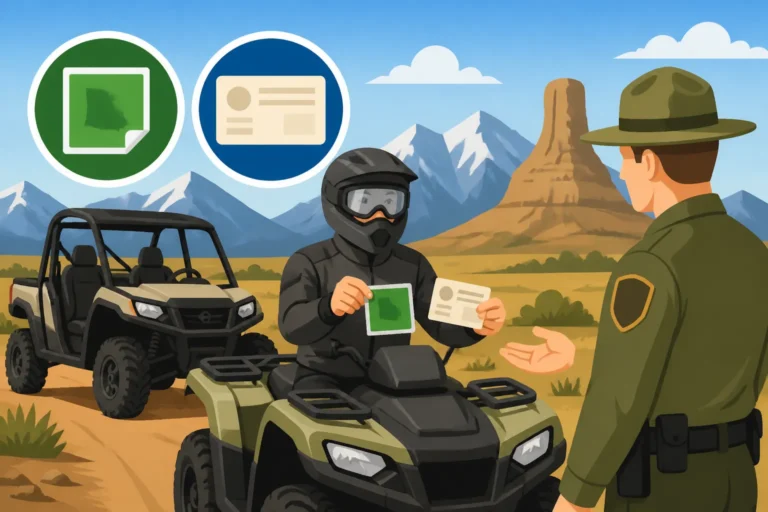
Even if you're riding your street-legal MPV on enrolled roads, the moment you decide to venture off that road onto a designated trail (which might also be snow-covered), you absolutely need your Wyoming ORV permit. This permit funds the maintenance and management of those very trails. It’s a flat fee for everyone, residents and non-residents alike, and it’s valid for the calendar year, expiring on December 31st.
Many riders, especially those from out of state, get frustrated that Wyoming doesn't honor other states' registrations. But that's just how it is. [Why Wyoming Honors No Other State's Registration] is a common question, but the answer boils down to Wyoming's specific funding model for its trails program. Every permit sold contributes directly to the trails you ride.
So, whether you're taking your machine out for a quick spin on an enrolled county road, or you're aiming for deeper snow on a designated trail, remember these key points:
| Feature | Off-Road Vehicle (ORV) | Multipurpose Vehicle (MPV) (for road use) |
|---|---|---|
| Primary Use | Designated trails, off-road areas | Roads (enrolled segments), also designated trails (with ORV permit) |
| Required Permit | Wyoming ORV Permit (decal on machine) | Wyoming ORV Permit (decal on machine) |
| Road Legality | No | Yes, if registered and equipped |
| Registration/Plate | No | Yes, state title and county treasurer-issued plate |
| Equipment | Spark arrester, muffler (often state/federal land rule) | Headlight, taillight/stop lamp, horn, at least one left-side mirror, red reflector |
| Driver's License | Not always required on trails (age limits apply) | Yes, with proper M or MR endorsement |
| Insurance | Not typically required for trail use | Yes, liability insurance is mandatory |
| Primary Funding | ORV permit fees | Vehicle registration fees, fuel taxes, ORV permit fees |
| Key Check | Decal on machine, stay on designated routes | Decal, plate, equipment, license, insurance |
Even if you just ride your machine on your own ranch land, the minute you take it onto any public trail, you need that decal. You can buy them at various locations, including some dealerships, Forest Service offices, and online. Before you plan your November adventure, make sure you have your current [Wyoming's Annual ORV Permit] sticker properly affixed to your machine. It's a small investment that ensures you're riding legally and contributing to the very trails you love. After all, [Where Wyoming ORV Permit Money Goes] is directly back into the trails for everyone's enjoyment.
Disclaimer
This article is for general informational purposes only and does not constitute professional advice. Laws, prices and regulations vary by location and change over time. Consult a qualified professional for guidance on your specific situation.