Adding a Mirror Before a Road Ride
Hitting the open road on your ATV or UTV in Wyoming is a dream for many riders, offering incredible access to vast landscapes and new adventures. But that dream can quickly turn into a headache when you realize your machine isn't quite "street legal" right out of the dealership. One of the most common hurdles, and often one of the easiest to fix, is making sure you have the right mirrors. This guide will walk you through exactly what Wyoming law expects from your machine's mirrors, what types of mirrors are available, how to install them, and what other essential gear you'll need before you can legally hit those enrolled roads.
Why a Mirror Isn't Just for Vanity on Wyoming Roads
When you're out on the trails, a mirror might feel like an optional accessory, mostly useful for checking on the buddy behind you or making sure your cooler is still strapped down. But when you transition to public roads in Wyoming, that mirror becomes a critical safety device and a non-negotiable legal requirement.
Understanding Wyoming's MPV Designation
Wyoming recognizes that many ATVs and UTVs are capable, and owners desire to use them, beyond just off-road trails. This led to the creation of the Multipurpose Vehicle (MPV) classification. An MPV is essentially an ORV that meets specific criteria and has been legally outfitted and registered to operate on certain public roads. It's a fantastic pathway for those who want to connect trails, access services in town, or simply enjoy a scenic drive on appropriate routes. Without this MPV designation, your machine is strictly an off-road vehicle, limited to designated trails and private property. Getting your machine designated as an MPV is the first step toward road legality, and adding the correct mirror is a key part of that process. You can learn more about this journey by checking out [Wyoming's MPV Path to the Road].
The Letter of the Law: What Wyoming Requires
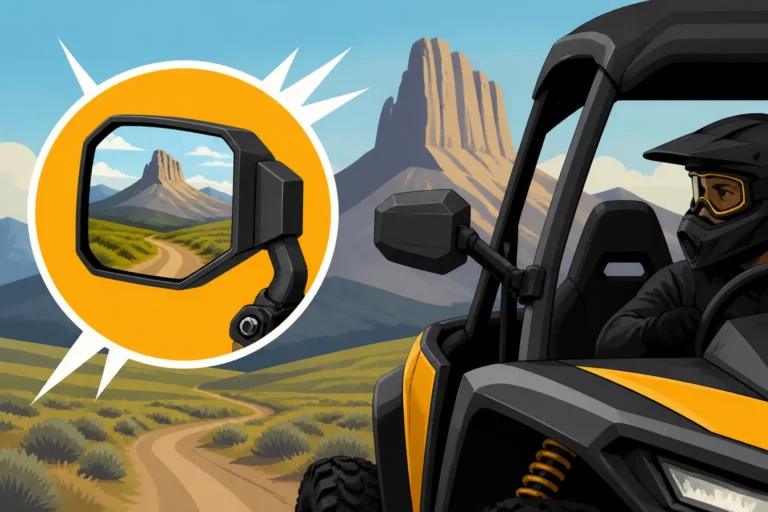
So, what exactly does Wyoming law say about mirrors for MPVs on the road? It's quite specific. For an off-road vehicle to qualify as an MPV and be allowed on designated public roads, it must be equipped with a rearview mirror on the left side of the machine. This isn't just a suggestion; it's a mandatory safety feature designed to give you crucial visibility to the rear, allowing you to monitor traffic, see emergency vehicles, and make safe lane changes or turns. This requirement is rooted in safety, mirroring the rules for other road-going vehicles. It ensures that you, as the operator, have a clear view of your surroundings, minimizing blind spots that could lead to dangerous situations. Imagine trying to merge onto a county road or make a left turn without knowing what's coming up behind you – it's a recipe for disaster. The mirror, therefore, serves as your eyes in the back of your head, making your road rides much safer for you and everyone else sharing the pavement. The specific requirements for these pieces of safety equipment are detailed in [Wyoming's Road Equipment Rules Come From].
Types of Mirrors for Your Wyoming Road Machine
When it comes to outfitting your ATV or UTV with the required left-side mirror, you have a few options, each with its own benefits and considerations. Choosing the right one often comes down to your machine's setup, your budget, and personal preference for aesthetics and durability.
Universal Clamp-On Mirrors
These are perhaps the most common and versatile option, especially for many UTVs and some ATVs. Universal clamp-on mirrors typically attach to your machine's roll cage or handlebars using a simple clamp mechanism. They come in various sizes and styles, often made from durable materials like impact-resistant plastic or aluminum.
Pros:
- Easy Installation: Most clamp-on mirrors can be installed with basic hand tools in a matter of minutes, making them a fantastic DIY project.
- Cost-Effective: Generally, these mirrors are more affordable than custom or OEM-specific options.
- Adaptability: Their universal design means they can often fit a wide range of machines, even if you upgrade your ride down the line. Many riders appreciate the flexibility this offers.
- Adjustability: They usually offer a good degree of adjustability, allowing you to fine-tune the viewing angle to your preference. Brands like SuperATV offer a wide array of universal mirror options, from basic to more robust designs, built to withstand the bumps and vibrations of off-road and on-road use.
Cons:
- Potential Vibration: Depending on the quality and mounting, some universal mirrors might experience more vibration, especially at higher speeds or on rougher roads, which can obscure your view.
- Less Integrated Look: While functional, they might not always blend seamlessly with your machine's factory design, sometimes appearing a bit more "add-on."
Side-Specific OEM or Aftermarket Mirrors
For many UTV models, you can find mirrors designed specifically for that make and model, either directly from the original equipment manufacturer (OEM) or from specialized aftermarket companies. These are often designed to integrate perfectly with your machine's body lines or specific mounting points.
Pros:
- Better Fit and Finish: These mirrors are made to match your specific machine, offering a more factory-installed look and often a more secure, rattle-free fit.
- Increased Durability: OEM or high-quality aftermarket options are often built to withstand the rigors of your machine's intended use, including off-road abuse and road vibrations.
- Potential for Additional Features: Some may include breakaway features, integrated turn signals, or other enhancements not found on basic universal models.
Cons:
- Higher Cost: These are typically more expensive than universal clamp-on options, as they require specific design and manufacturing for particular models.
- Less Adaptable: If you switch machines, these mirrors likely won't fit your new ride, meaning you'd have to purchase new ones.
- More Complex Installation: While usually straightforward, some side-specific mirrors might require slightly more involved installation, such as drilling or specific bracket alignment.
Rearview (Center) Mirrors: A Bonus for Safety
While Wyoming law specifically mandates a left-side rearview mirror for MPV road legality, adding a central rearview mirror (like those found in cars) can significantly enhance your overall situational awareness. This isn't a legal requirement for MPV designation, but it's a smart addition for safety.
Pros:
- Improved Awareness: A central mirror gives you a broad view directly behind your machine, complementing the side mirror's view. This is incredibly useful for seeing what's directly behind you, whether it's traffic, a trailing rider, or your cargo.
- Easy to Glace At: Much like in a car, glancing at a central mirror can be quicker and more natural for some riders than constantly turning to check a side mirror.
- Great for Groups or Towing: If you frequently ride with a group or tow a small trailer, a central rearview mirror is invaluable for keeping tabs on what's behind you.
Cons:
- Not a Substitute for Side Mirror: It's important to remember that this does not fulfill Wyoming's legal requirement for a left-side mirror. You'll still need that dedicated left mirror.
- Visibility Obstructions: Depending on your machine's design and any passengers or cargo, the central mirror's view might sometimes be partially obstructed.
Ultimately, the best choice depends on your machine, your riding habits, and how often you plan to hit the pavement. Many riders opt for a sturdy clamp-on left mirror to meet the legal requirement, sometimes pairing it with a central rearview mirror for maximum visibility.
Here's a quick comparison of mirror types:
| Mirror Type | Mounting Location | Legal Requirement (Wyoming MPV) | Pros | Cons |
|---|---|---|---|---|
| Left-Side Mirror | Left Side | Required | Essential for safety and legal compliance | Can be prone to vibration |
| Universal Clamp-On | Roll Cage/Bar | Meets left-side requirement | Easy install, adaptable, affordable | Less integrated look, potential vibration |
| Side-Specific | Specific Points | Meets left-side requirement | Better fit, durable, integrated | Higher cost, less adaptable |
| Rearview (Center) | Center of Cab | Optional | Enhances situational awareness, great for groups | Not a legal substitute for left-side |
Installation: Getting Your Mirror Road-Ready
Once you've picked out the perfect mirror for your machine, the next step is getting it installed correctly. A properly installed mirror is not just about meeting the legal requirement; it's about ensuring it stays put, provides a clear view, and doesn't become a distraction or hazard during your ride.
Tools and Prep: What You'll Need
Before you dive into the installation, gather your tools and prepare your workspace. Having everything at hand will make the process much smoother and faster.
Commonly Needed Tools:
- Allen wrenches or hex keys: Many clamps use these for tightening.
- Socket set or open-end wrenches: Depending on the mirror's hardware.
- Measuring tape: To ensure proper placement, especially on UTV roll cages.
- Rubbing alcohol and a clean rag: For cleaning the mounting surface (optional, but recommended for a secure grip).
- Thread locker (blue Loctite): A small dab can help prevent bolts from vibrating loose over time, especially on off-road machines.
- A friend: An extra set of hands can be helpful for holding the mirror in place while you tighten it, or for helping you adjust it later.
Preparation Tips:
- Read the Instructions: Every mirror is a little different, so always start by thoroughly reading the manufacturer's installation guide.
- Clean the Mounting Surface: If you're clamping onto a roll bar or handlebar, ensure the area is clean and free of dirt, grease, or grime. This will help the clamp get a secure grip and prevent it from rotating unexpectedly.
- Visualize Placement: Before tightening anything down, temporarily hold the mirror in place and sit in your riding position. Check for clearance with your windshield, doors, or other accessories. Make sure it doesn't obstruct your forward vision.
Step-by-Step Installation for Clamp-On Mirrors
For most universal clamp-on mirrors, the installation process is straightforward. Here’s a general guide:
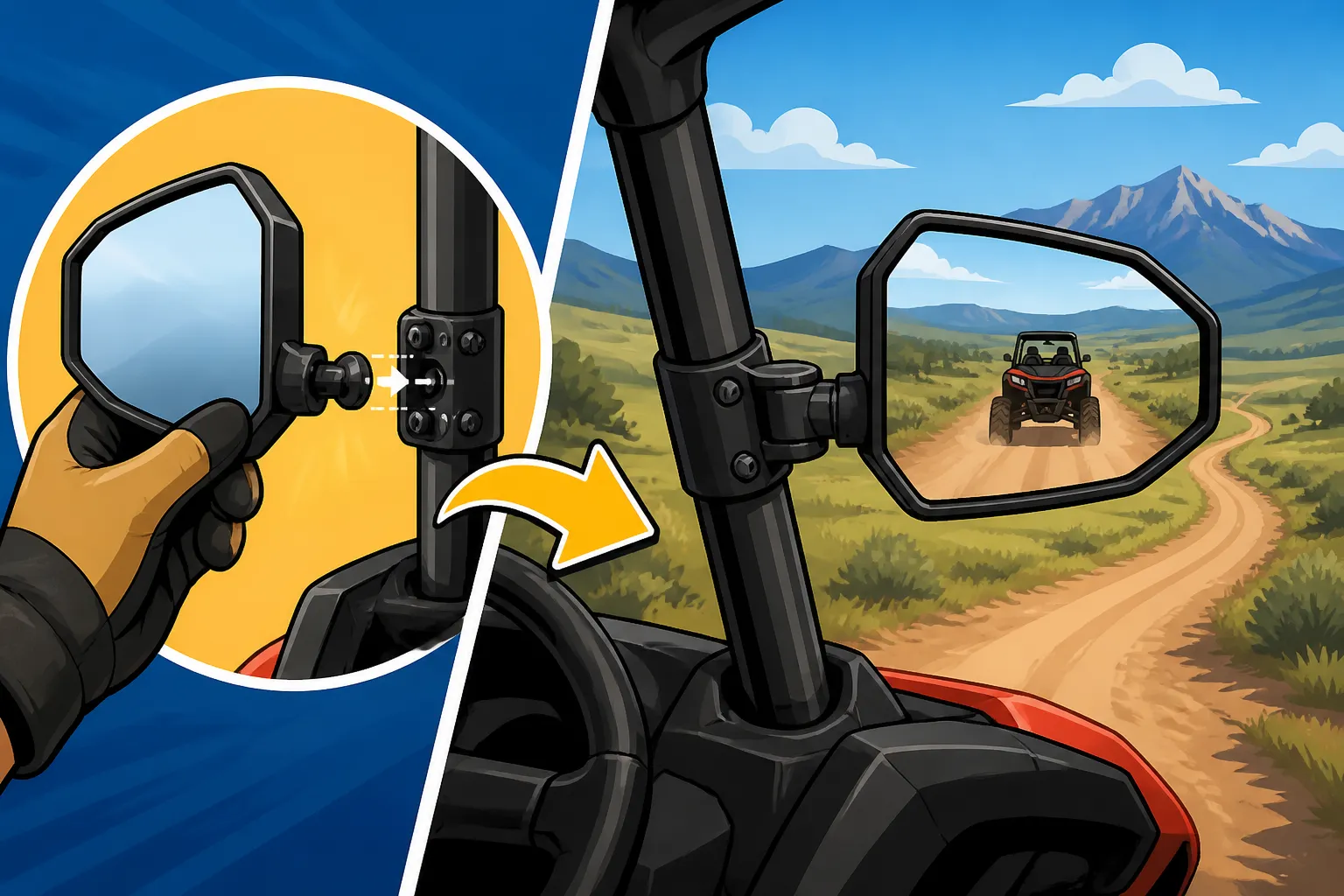
- Identify the Best Mounting Point: For the required left-side mirror, look for a sturdy part of your roll cage or handlebar that offers an unobstructed view to the rear. On UTVs, the left vertical bar of the roll cage near the driver's side is usually ideal. On ATVs, the left handlebar near the grip is common.
- Assemble the Clamp (if necessary): Some mirrors come with their clamps separate. Assemble the clamp pieces around the mirror arm, but don't tighten them fully yet.
- Position the Clamp on the Bar: Place the clamp onto your chosen roll bar or handlebar. You want it to be firm but still able to rotate slightly for initial adjustments.
- Insert and Hand-Tighten Bolts: Carefully insert the bolts that secure the clamp. Hand-tighten them until snug, ensuring the mirror assembly is stable. This is where a little blue thread locker on the bolt threads can add an extra layer of security against vibrations.
- Initial Adjustment: Sit in your normal riding position and roughly adjust the mirror's angle so you can see directly behind your machine.
- Final Tightening: Once you're satisfied with the general placement and angle, use your wrenches or Allen keys to firmly tighten all the clamp bolts. Be careful not to overtighten, as this could strip threads or damage the bar, but ensure it's snug enough that the mirror won't shift easily during your ride. Double-check for any wobble or looseness. If your mirror is from a brand like SuperATV, they often design their clamps for a very secure fit, so follow their specific torque recommendations if provided.
- Check Clearance: Before you declare victory, turn your steering wheel lock-to-lock, open and close doors (if applicable), and operate any other controls to ensure the mirror doesn't interfere with anything.
Adjusting for Optimal Road Visibility
Installation is only half the battle; proper adjustment is crucial for safety. A mirror that's poorly adjusted is as good as no mirror at all.
- The "Head-Turn" Test: Once installed, sit in your normal riding position. Adjust the mirror so that you can see the very edge of your machine's side (or fender) in the inner portion of the mirror, and the rest of the mirror shows the road behind you. This allows you to orient yourself and gauge distance.
- Minimize Blind Spots: While a single left-side mirror won't eliminate all blind spots, aim to minimize them as much as possible. When you glance at the mirror, you should have a clear, expansive view of the lane beside and behind you.
- Road Test: Take your machine for a short, slow test ride on private property if possible, or a very quiet road if permitted. Pay attention to how the mirror performs. Does it vibrate excessively? Does it stay in position? Can you easily and quickly check traffic behind you? Make small adjustments as needed until you feel confident in your rearward vision. Remember, your primary goal is to enhance your safety and comply with Wyoming law, so don't settle for "good enough" if it means compromising your view.
Beyond the Mirror: Other Wyoming Road Prep
Adding a mirror is a fantastic first step toward making your ATV or UTV road-legal in Wyoming, but it's just one piece of the puzzle. To truly ride legally and safely on designated public roads, you'll need to address several other requirements. Neglecting these could lead to fines, citations, or worse, dangerous situations.
Essential Equipment You Can't Forget
Wyoming law is quite comprehensive when it comes to the equipment an MPV must have to operate on public roads. Beyond that critical left-side mirror, here's what else needs to be in tip-top shape:
- Headlights and Taillights: Your machine must have at least one headlight and one taillight, both functioning properly. These aren't just for night riding; they make you visible to other drivers during the day, too.
- Stop Lamps: A functioning stop lamp (brake light) is essential. When you apply your brakes, the light needs to illuminate, signaling to drivers behind you that you're slowing down or stopping.
- Horn: A working horn is mandatory for signaling your presence or alerting others to potential hazards. It's not just a novelty; it's a vital safety device. You'll want to make sure you have one installed and easily accessible, as discussed in [Fitting a Horn Before a Wyoming Road Ride].
- Red Rear Reflector: Even with a taillight, a red rear reflector is required. This passive safety device ensures that your machine remains visible from the rear, even if your taillight fails.
- Muffler and Spark Arrester: While often associated with off-road use, an adequate muffler and a U.S. Forest Service-approved spark arrester are also crucial for road-legal machines to control noise and prevent wildfires.
These requirements, among others, are all designed to bring your off-road machine up to a standard of safety and visibility that's expected on public roadways. It's not just about passing an inspection; it's about protecting yourself and others. For a full rundown on all the lighting your machine needs, consult [Wyoming Lighting Requirements for ORVs].
Licensing, Registration, and Insurance
Even with all the right equipment, you can't just jump on the road. There's a layer of administrative requirements you need to fulfill to be fully compliant:
- MPV Title and Plate: Your machine will need to go through a process to be officially recognized as an MPV, which involves titling it as such and getting a license plate. This is a critical distinction from a regular ORV registration. The process for this involves specific paperwork and visits to different county offices. Learn more about the initial steps at [Wyoming MPV Title Requirements] and then how to get your plate in [Wyoming MPV Plate Requirements].
- Driver's License with Endorsement: You can't just use your standard car driver's license. To operate an MPV on Wyoming roads, you'll need a valid driver's license with an "M" (motorcycle) or "MR" (multi-purpose vehicle) endorsement. This ensures you've demonstrated proficiency in operating these types of vehicles.
- Proof of Insurance: Just like any other road-going vehicle, your MPV must carry valid liability insurance. This protects you and others in the event of an accident. Always carry your proof of insurance with you when riding on public roads. This critical requirement is covered in detail at [Wyoming ATV Insurance Requirement].
Knowing Where You Can Legally Ride
Finally, understanding where you can ride your newly equipped and registered MPV is paramount. Wyoming's "street legal" status for MPVs doesn't mean you can go anywhere a car can.
- Designated Roads Only: MPVs are generally allowed on county roads, Bureau of Land Management (BLM) roads, and Forest Service roads that have been specifically designated and marked for MPV use. You cannot just assume any dirt road or paved county road is open.
- No Interstates or Highways (with exceptions): Generally, MPVs are not allowed on interstates or primary state highways. There are very specific, limited exceptions for crossing these highways at designated points or within certain cities like Evanston where special allowances have been made to connect trail systems. This can be a tricky area to navigate, so always check local regulations and maps.
- Check Maps and Signage: Always consult official travel management maps from the Forest Service, BLM, or county offices, and pay close attention to roadside signage. These resources will clearly indicate which roads are open to MPVs. Riding on a closed or undesignated road can result in fines and legal trouble. Familiarize yourself with [Wyoming's Designated ORV Roads] and understand that the answer to [Are ATVs Street Legal in Wyoming?] is often, "It depends on where you want to go."
By tackling the mirror requirement, understanding the necessary equipment, securing the proper registration and licensing, and knowing your legal riding areas, you'll be well on your way to enjoying the freedom of exploring Wyoming's incredible landscapes on your ATV or UTV, both on and off the designated roads. Ride safe, and enjoy the adventure!
Disclaimer
This article is for general informational purposes only and does not constitute professional advice. Laws, prices and regulations vary by location and change over time. Consult a qualified professional for guidance on your specific situation.