Pronghorn Crossing a Two-Track
Wyoming pronghorn crossings require easing off the throttle, stopping well short, and waiting safely for animals to clear the road.
The map is not the permission.
National forest and BLM routes, state OHV parks, and club trails crossing private land — with the closures and passes that decide whether today counts.
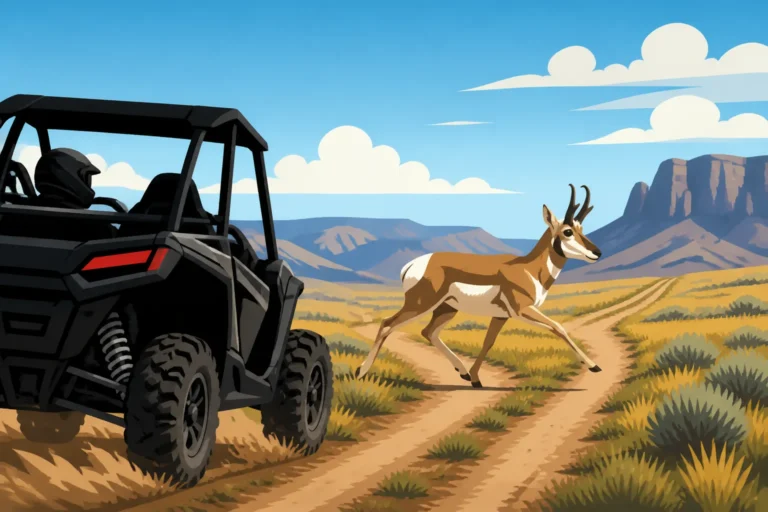
Wyoming pronghorn crossings require easing off the throttle, stopping well short, and waiting safely for animals to clear the road.
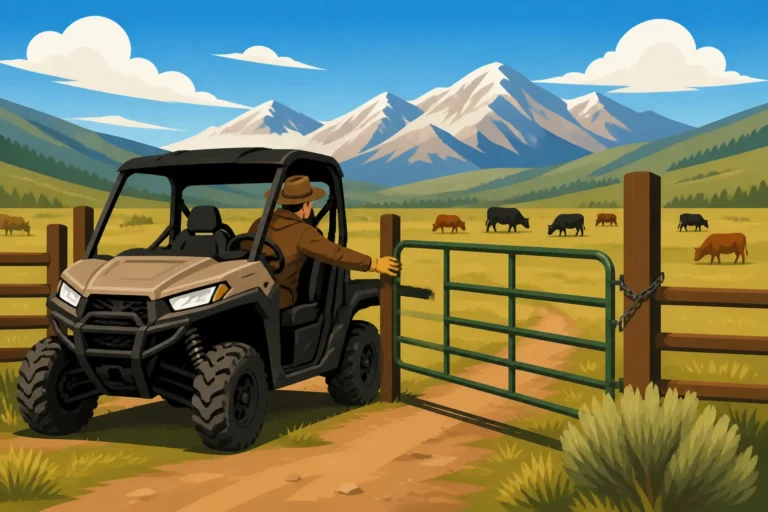
Wyoming grazing allotment gates explain livestock movement, property boundaries, and motorized travel rules for ATV and UTV riders.
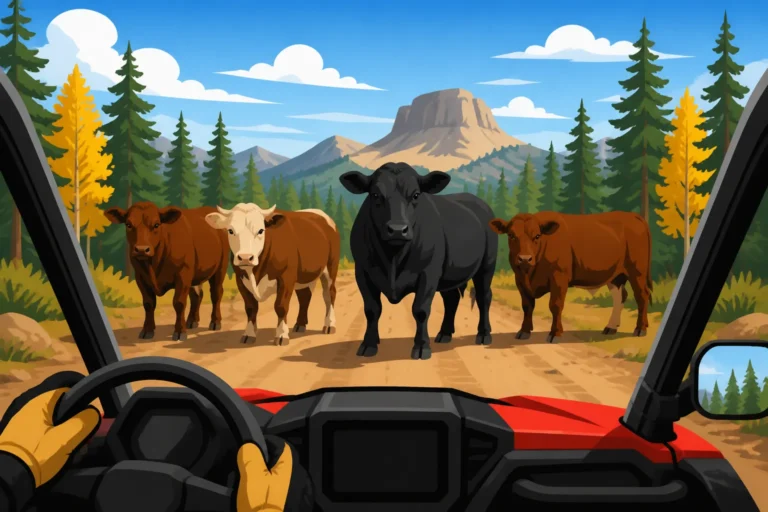
Cattle blocking a Wyoming forest road require riders to stop safely, wait patiently, and avoid disturbing the herd.
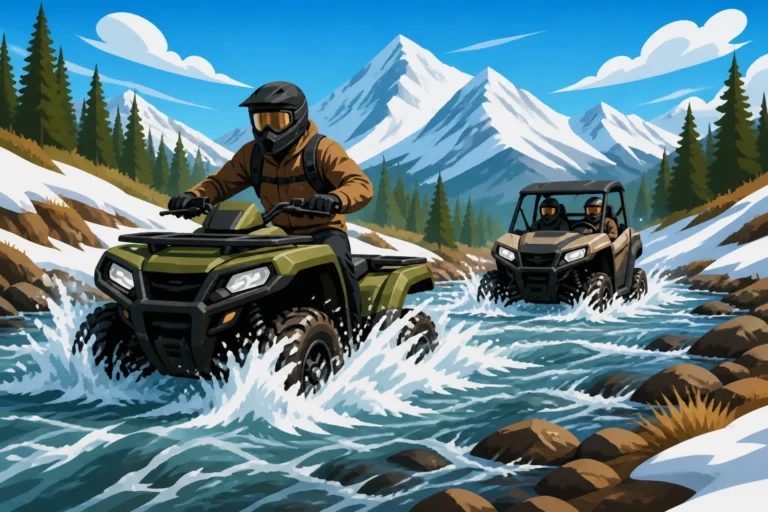
Wyoming spring snowmelt creek crossings require assessing water depth and current to protect ATVs and UTVs from damage.
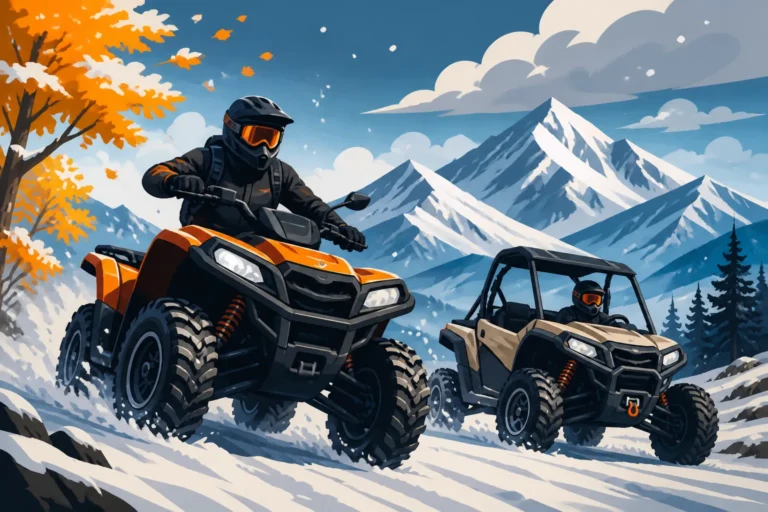
September snow in Wyoming requires riders to check conditions, prepare machines, and decide when turning around is safest.
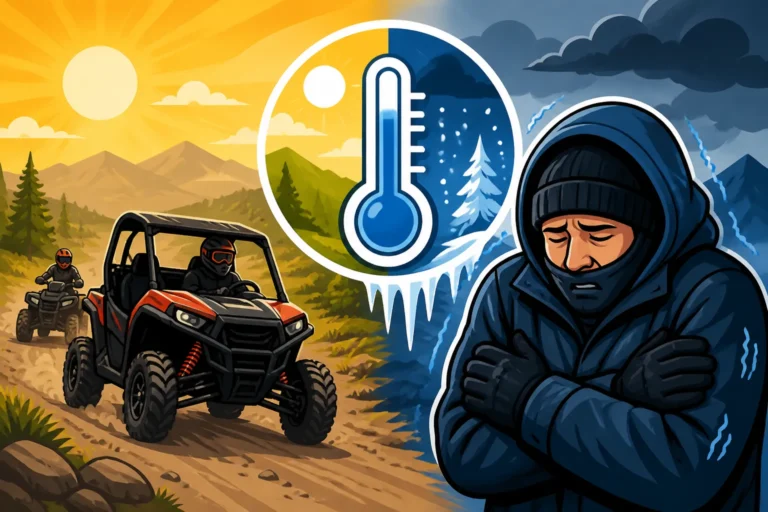
Summer hypothermia risks on Wyoming ATV and UTV rides, warning sign recognition, and cold weather planning methods.
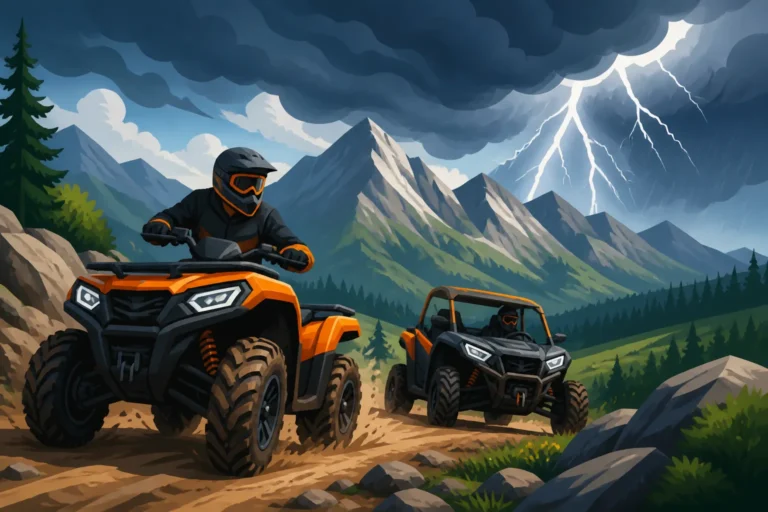
Wyoming high country afternoon thunderstorms require careful ride planning, weather monitoring, and early turnaround times to ensure safety.
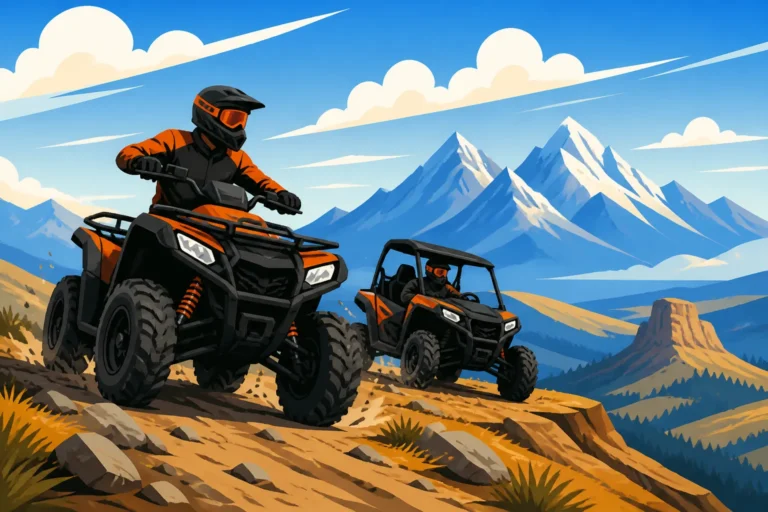
High-altitude ATV and UTV riding in Wyoming creates slower machine response and low oxygen, requiring careful planning.
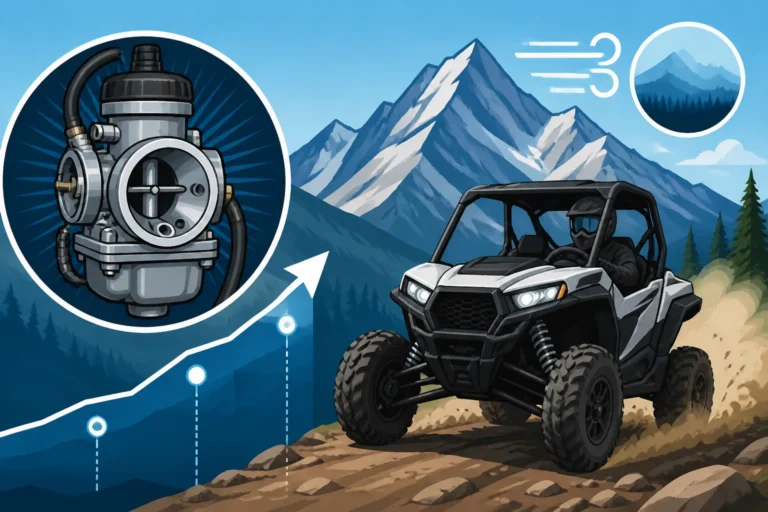
Mountain altitude and lower air density reduce oxygen for carbureted engines, causing ATVs and UTVs to run rich and lose power.
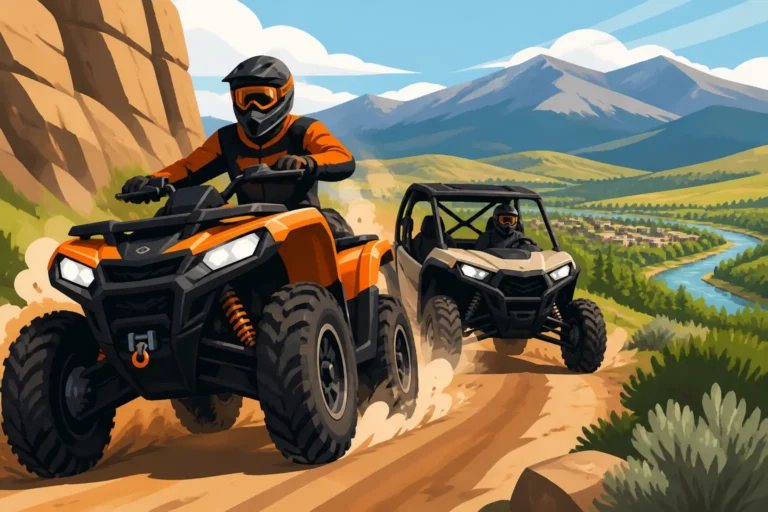
Saratoga route planning explains how to check Wyoming road permissions, handle town stops, and prepare for changing weather and terrain.