Staying Right When Traffic Comes
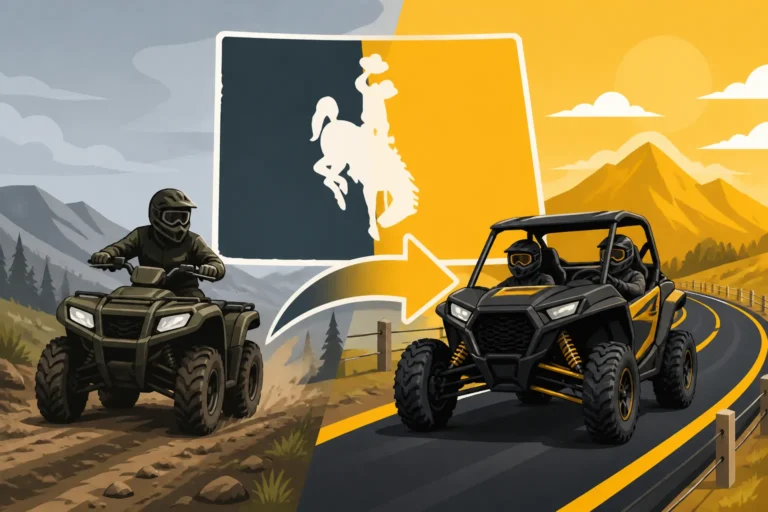
Hitting the open road on your ATV or UTV in Wyoming offers an incredible sense of freedom, whether you're heading to a trailhead, crossing between designated segments, or just enjoying a scenic drive on an enrolled road. But that freedom comes with a significant responsibility: sharing the road safely with all kinds of traffic. One of the biggest concerns riders often express is how to confidently and correctly handle oncoming vehicles, especially when the roads can be narrow, dusty, or have blind turns. This guide is here to walk you through exactly what "staying right when traffic comes" means in Wyoming, offering practical advice to keep you and everyone else safe on our beautiful, shared byways.
The Basics of Sharing the Road in Wyoming
When you take your off-road machine onto a designated road in Wyoming, you're not just a recreational rider anymore; you're a motorist. And with that comes a universal expectation: you need to adhere to the rules of the road, just like any car or truck. It’s easy to feel like your side-by-side or quad is different, and in some ways it is, but when it comes to fundamental traffic laws, we’re all in the same boat.
Why "Staying Right" is Non-Negotiable
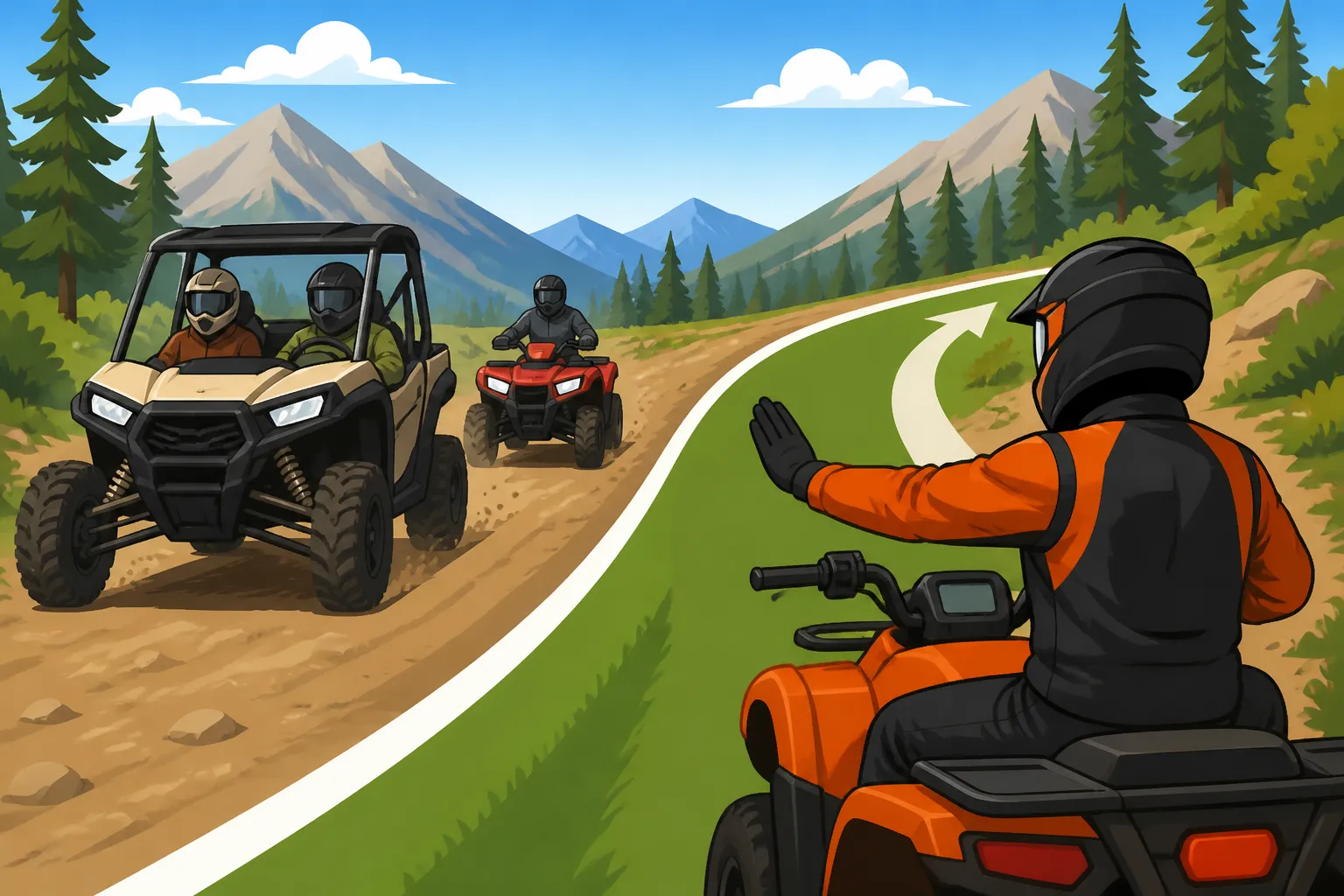
This might sound like common sense, but it’s surprising how many riders feel a little unsure when they suddenly see a full-size pickup truck barreling towards them on a dusty, winding county road. The instinct might be to panic, or even to move towards the shoulder on your left, thinking you’re getting out of the way. But the rule of the road in Wyoming, just like almost everywhere else, is to drive on the right side of the road. When you encounter oncoming traffic, your immediate, non-negotiable action must be to move to the far right side of your lane, giving the other vehicle as much space as possible to pass safely on your left.
This isn't just about avoiding a collision; it's about predictable behavior. Every driver expects oncoming traffic to stay to their right. When you deviate from this, you create confusion, which is a recipe for an accident. It builds trust among all road users, too. When you demonstrate that you know and follow the rules, it helps cement the place of ATVs and UTVs as legitimate vehicles on these public roads. Plus, it just makes good sense for everyone’s peace of mind, especially on those less-traveled routes where you might only see a few other vehicles all day, making each encounter more significant.
Understanding Wyoming's Enrolled Roads
Before you even worry about oncoming traffic, you need to understand where you're legally allowed to operate your ATV or UTV on a road in Wyoming. Our state has a fantastic system of "enrolled roads," which are public roads designated by the land management agencies (like the Forest Service or BLM) or counties that explicitly permit ATV and UTV use. These aren't just any dirt roads; they're routes that have been evaluated and approved for mixed-use traffic.
Riding on an enrolled road is different from riding on a designated trail. Trails often have width restrictions (like [Wyoming's 50-Inch Trail Limit]) and are generally only for off-road vehicles. Roads, however, are for everyone: cars, trucks, motorcycles, and, yes, properly equipped and registered ATVs and UTVs (often as [Wyoming's Multipurpose Vehicle Class]). This means that when you’re on an enrolled road, you are operating in a multi-use environment where you will encounter vehicles much larger and faster than your machine. Knowing which roads are enrolled is crucial, as riding on non-enrolled roads can lead to citations and is frankly dangerous. Always carry a current map, such as a Motor Vehicle Use Map (MVUM), which clearly marks [Wyoming's Designated ORV Roads].
Practical Tips for Encountering Oncoming Traffic
Alright, you're on a legal road, your machine is properly permitted with your [Wyoming's Annual ORV Permit], and you're enjoying the scenery. Suddenly, you spot a plume of dust in the distance, or you round a corner and there it is: another vehicle. What do you do? Panic isn't on the list!
Anticipation and Visibility
The best defense is a good offense, and on the road, that means anticipation. You can’t react safely if you’re surprised.
- Scan Ahead Constantly: Don't just look at the few feet in front of your tires. Keep your eyes up and scan as far down the road as possible. Look for dust clouds, glints of chrome, or even the movement of animals that might indicate another vehicle is approaching.
- Approach Blind Corners and Crests with Caution: These are notorious spots for unexpected encounters. Slow down significantly before entering a blind turn or approaching a hill crest. Honk your horn if you’re unsure, especially on very narrow, winding roads. This gives any oncoming traffic an audible warning that you’re there. You might even consider upgrading your horn to something a bit more substantial; companies like SuperATV offer a range of aftermarket horn kits that are easy to install and provide a louder, more noticeable warning.
- Be Seen: Always have your headlights on, even during the day. This is a simple but incredibly effective way to increase your visibility. Many modern UTVs have good lighting, but if your machine is older or you want better daytime visibility, look into LED light bars or auxiliary lights. A bright yellow or orange flag, especially in dusty conditions or rolling terrain, can also make a huge difference. Remember, the goal is to be noticed long before there's a problem. [Wyoming Lighting Requirements for ORVs] are essential for MPVs.
Safe Maneuvers When Meeting Vehicles
Once you see oncoming traffic, it's showtime. Here's your playbook for a smooth, safe pass:
- Slow Down: Immediately reduce your speed. This gives you more time to react, shortens your stopping distance if needed, and minimizes dust kicked up, improving visibility for both parties.
- Move to the Far Right: Gently but decisively steer your machine as far to the right side of the road as safely possible. You want to give the oncoming vehicle ample room to pass on your left. If there's a shoulder, use it, but be mindful of ditches, soft ground, or obstacles.
- Maintain Control: Keep both hands on the handlebars/steering wheel. Don't swerve or make sudden movements. A predictable path is a safe path.
- Make Eye Contact (if possible): A quick glance and a nod or a wave can signal your awareness and intent to the other driver.
- Stop if Necessary: On extremely narrow sections, or if the other driver seems hesitant, it might be safest to come to a complete stop and signal for them to pass. This is especially true if you are towing a trailer or if the other vehicle is large.
- Dust Management: If you're on a dry, gravel, or dirt road, your machine will kick up dust. Once the oncoming vehicle is close, and you've moved right, reducing your speed helps, but be aware that their visibility will be momentarily compromised.
- What if They Don't Move Over? Unfortunately, not everyone on the road is as courteous or skilled. If an oncoming vehicle isn't moving right or seems to be crowding the centerline, you must prioritize your safety. Slow down further, pull even further to the right if possible, and be prepared to stop. Don't try to "teach them a lesson" by holding your ground. Your safety is paramount.
This "staying right" rule applies whether you're encountering another ATV, a passenger car, a large truck, or even farm equipment. It’s the universal courtesy and legal requirement that keeps our roads safe. Staying Right When Traffic Comes is more than just a phrase; it's a fundamental principle of road safety.
Equipment for Road Safety
Your machine itself plays a huge role in your ability to react and be seen. While your ORV permit gets you on many trails, if you want to ride a designated road in Wyoming as an MPV, you'll need specific safety equipment.
- Mirrors: A left-side mirror is legally required for MPVs on Wyoming roads. This isn’t just a legal nicety; it’s a vital safety tool. It allows you to monitor traffic behind you and helps with situational awareness, especially if you need to pull over or make a slight maneuver. Many riders also add a right-side mirror and a rearview mirror for comprehensive visibility. You can find excellent aftermarket mirrors from companies like SuperATV that are designed to withstand the rigors of off-road use while providing clear visibility. These are often much more robust than stock options and designed for various roll cage styles. [Wyoming Mirror Requirements for Road Use] are something to take seriously before you venture out.
- Lights: As mentioned, headlights are a must. Taillights and brake lights are also critical for being seen from behind, especially when slowing down or stopping. If you’re riding at dusk or in low light, consider additional auxiliary lighting.
- Horn: A working horn is not just a suggestion; it's legally required for MPVs on Wyoming roads. A quick tap of the horn can alert other drivers to your presence before they even see you, especially on those blind turns we discussed. A reliable horn is a simple, inexpensive safety upgrade. [Wyoming Horn Requirement on a Road Machine] is there for a good reason.
Making sure your machine is up to snuff with the proper equipment isn't just about avoiding a ticket; it's about making every ride safer and more enjoyable for everyone.
Specific Scenarios and Considerations
Sharing the road in Wyoming means encountering a wide variety of users and situations. Being prepared for these specific scenarios will make you a more confident and responsible rider.
Sharing With Other Riders and Recreationalists
You’ll often share enrolled roads not just with cars and trucks, but with other ATVs, UTVs, dirt bikes, mountain bikers, hikers, and even horseback riders. Each group deserves courtesy and respect.
- Other ATVs/UTVs: Treat them like any other vehicle: stay right, give space. If you're riding in a group, ride single file when traffic approaches, and signal to the oncoming rider how many machines are behind you (e.g., holding up fingers).
- Dirt Bikes: These are typically faster and more agile. Give them plenty of room, as they might be navigating rougher sections of the road.
- Mountain Bikers and Hikers: These users are the most vulnerable. Slow down dramatically, give them a very wide berth, and be prepared to stop. A friendly wave and a nod go a long way. Minimize dust. They appreciate the consideration!
- Horseback Riders: This is where extreme caution is required. Horses can be easily spooked by sudden noises, dust, or fast-moving vehicles. When you see horses, slow to a crawl, pull as far to the right as possible (or even stop and turn off your engine if they seem agitated), and let them pass. Speak calmly to the riders. They will often appreciate you asking, "Is it okay to pass?" or "Should I stop?" Respecting [Yielding to Horses on a Wyoming Trail] isn't just good manners; it's crucial for safety.
Encountering Larger Vehicles and Ranch Traffic
Wyoming's rural roads are often used by heavy-duty vehicles, agricultural equipment, and livestock trailers. These can be intimidating, but knowing what to expect helps.
- Heavy Trucks and Trailers: Log trucks, gravel haulers, and vehicles towing large trailers need extra room. They often can't move over much, so it's your responsibility to give them priority. They also have significant blind spots. Assume they might not see you and act defensively.
- Agricultural Equipment: Tractors, combines, and other farm machinery are often slow-moving and very wide. They have a legal right to the road for their work. Be patient, give them huge amounts of space, and pass only when it's absolutely safe and you have clear sight lines. They move at their own pace, and you should adjust yours.
- Livestock: On many of Wyoming's rural roads, you might encounter cattle, sheep, or horses being moved. This means slowing to a crawl and yielding to the animals and any wranglers. The ranchers are working, and their animals can be unpredictable. Be prepared to stop completely and wait for them to clear the road. Never honk or rev your engine; it will only agitate the livestock. This falls under the general etiquette of [Wyoming Rules for Riding Near Livestock].
Rules for Different Road Types
While the "stay right" rule is universal, the specific conditions and typical traffic can vary slightly depending on the road authority.
- County Roads: These are often well-maintained gravel or dirt roads that connect small towns or provide access to rural properties. They can see a mix of local traffic, ranch vehicles, and recreational users. Always assume there could be oncoming traffic, especially around blind turns or crests. [Wyoming Rules for Riding a County Road] generally mirror standard state traffic laws.
- Forest Roads (National Forests): These are managed by the U.S. Forest Service. They are often less maintained than county roads and can be narrower and more winding. They are popular with other campers, hikers, and forest workers. Again, high visibility and slower speeds are your best friends here. You'll want to check MVUMs to ensure the road is enrolled for your machine. For more details, see [Wyoming Rules for Riding a Forest Road].
- BLM Roads: Bureau of Land Management roads traverse vast tracts of public land. Like forest roads, they can range from well-graded to primitive two-tracks. You'll encounter other recreationists, hunters, and occasionally oil/gas industry traffic. Be particularly mindful of dust on these often-dry roads.
Regardless of who manages the road, the core principle remains: anticipate, be visible, slow down, and stay as far right as safely possible when encountering oncoming traffic. It's about being a courteous, safe, and responsible member of the Wyoming road-sharing community.
Here's a quick reference for interacting with different types of road users:
| Oncoming User Type | Recommended Action |
|---|---|
| Passenger Vehicles (Cars, Trucks) | Always pull to the far right. Slow down significantly. Maintain a predictable path. Make eye contact if possible. Be prepared to stop if the road is extremely narrow or if the other driver doesn't move over. Minimize dust. |
| Other ATVs/UTVs | Pull to the far right. Slow down. Maintain your lane. If riding in a group, ride single file and use hand signals to indicate the number of machines behind you. Friendly wave is encouraged. |
| Dirt Bikes/Motorcycles | Pull to the right. Slow down. Be aware of their speed and agility. They may prefer to take a different line on rougher sections. Give them ample space. |
| Bicyclists/Hikers | Slow to a crawl. Pull far to the right, giving them the widest possible berth. Turn off your engine if they seem nervous or if it's very dusty. A friendly greeting helps. They are vulnerable, so their safety is paramount. |
| Horseback Riders | Slow to a crawl, or stop. Pull to the far right, well off the road if possible. If stopping, consider turning off your engine to minimize noise. Speak calmly to the riders and ask how they'd like you to proceed. Horses can spook easily; prioritize their safety and the rider's. See [Wyoming Rules for Riding Near Livestock]. |
| Heavy Equipment/Farm Vehicles | Yield. These vehicles are often slow, wide, and have limited maneuverability. Pull far to the right, potentially stopping completely to allow them to pass safely. Be patient. Do not attempt to pass unless you have clear visibility and ample room. |
Remember, every time you take your ATV or UTV on a Wyoming road, you're representing the entire off-road community. Riding responsibly and courteously not only keeps you safe but also helps preserve access for all of us. Enjoy your ride, and stay safe out there!
Disclaimer
This article is for general informational purposes only and does not constitute professional advice. Laws, prices and regulations vary by location and change over time. Consult a qualified professional for guidance on your specific situation.