Why the Trails Program Pays for Crossings
It's incredibly frustrating when you're out exploring Wyoming's vast and beautiful backcountry on your ATV or side-by-side, only to find your adventure cut short by a major highway, particularly those imposing interstates. They act like concrete rivers, carving up the landscape and breaking up what should be seamless trail systems. This guide dives deep into why the Wyoming Trails Program invests significant resources into creating safe and legal crossings over these formidable barriers, ensuring your rides are more continuous and enjoyable.
The Unseen Barrier: How Interstates Divide Our Trails
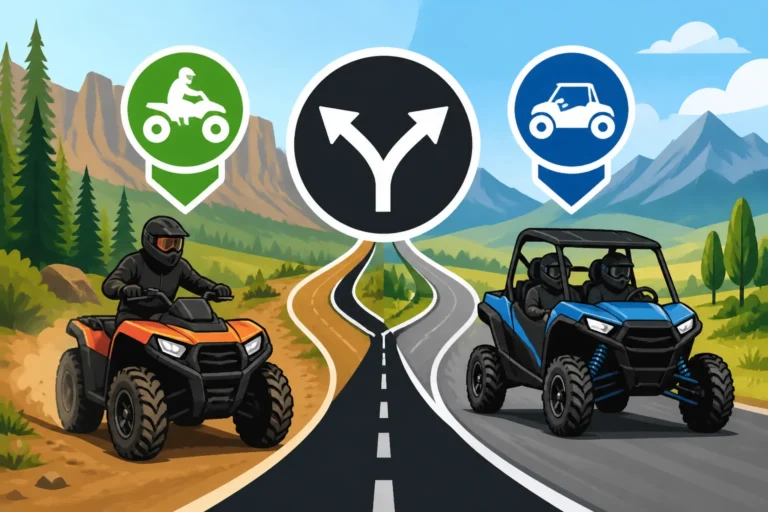
Imagine you've been riding for hours, soaking in the panoramic views, and you come to a screeching halt. Not because of a mechanical issue, but because an interstate highway, a ribbon of high-speed traffic, slices directly through your intended route. For off-road enthusiasts, these superhighways aren't just paths for cars; they're massive, often impassable walls that fragment our beloved trail networks.
The Frustration of a Divided Landscape
It's a common scenario: you're following a fantastic trail on a map, perhaps one traversing a national forest or BLM land, only to realize that the next segment requires you to cross Interstate 80 or 90. Suddenly, your serene ride is interrupted by the roar of semi-trucks, and you're faced with a seemingly insurmountable obstacle. This isn't just an inconvenience; it can completely derail a planned trip, forcing long, often inconvenient detours, or worse, making you turn back. The sheer scale of these roads, with their multiple lanes and high-speed limits, makes them incredibly dangerous for ATVs and UTVs to attempt to cross directly.
The mental load of navigating these barriers also takes away from the joy of the ride. Instead of focusing on the scenery or the challenge of the terrain, you're constantly thinking about how to get to the other side, or if you even can get to the other side. It pulls you out of the moment and reminds you that even in Wyoming's wide-open spaces, human infrastructure can sometimes feel like a cage. This is where the Trails Program steps in, recognizing this very real frustration experienced by riders statewide and from out of state.
When a Road Isn't Just a Road
We often think of roads as connections, ways to get from point A to point B. But for off-road riders, an interstate highway is more often a separator. It's a legal and physical impediment that divides public lands and cuts off access to crucial parts of our trail system. Imagine planning a multi-day trip or a grand tour, like the proposed [Wyoming's 2026 Cross-State Ride], only to find several major highway crossings blocking the way. Without designated crossings, these ambitious routes would be impossible, or at the very least, extremely hazardous and illegal.
The challenge isn't just about getting from one side to the other, either. It's about safety, legality, and maintaining the integrity of the trail experience. You can't just pull over on the shoulder and push your machine across. State laws and federal regulations strictly govern how and where any vehicle can interact with an interstate. For our off-road machines, which are typically not built for high-speed highway travel, these rules are even more stringent, and for good reason. It’s a complex issue, and it requires a thoughtful, funded solution, which is precisely why the Trails Program plays such a pivotal role.
The Wyoming Trails Program: More Than Just Permits
When you purchase your annual [Wyoming's Annual ORV Permit], you might just think of it as a ticket to ride. But it's so much more than that. This program is the lifeblood of our state's incredible off-road opportunities, and one of its most critical, yet often unseen, functions is funding solutions for those challenging interstate crossings.
Where Your Permit Money Really Goes
Every dollar collected from those ORV permits goes directly back into the trail system. This isn't just talk; it's enshrined in how the program is structured. A portion of that money is specifically earmarked for projects that improve access and connectivity, and that absolutely includes the high-cost, high-impact projects of building or modifying structures for safe highway crossings. It’s part of the comprehensive effort to maintain, improve, and expand [Wyoming's Enrolled Roads and Trails]. Without this dedicated funding stream, many of the projects that keep our trails connected would simply not happen.
Think about it: building an underpass or an overpass, or even modifying an existing structure, is incredibly expensive. It involves complex engineering, environmental assessments, land acquisition, and heavy construction. These aren't minor expenses; they are multi-million dollar endeavors. Your permit fee, while seemingly small, pools with thousands of others to make these vital infrastructure projects a reality. It ensures that the state can apply for and receive grants, matching state funds with federal dollars, all driven by the foundational funding of rider contributions. It's a direct investment in your riding future.
Collaborating for Connectivity
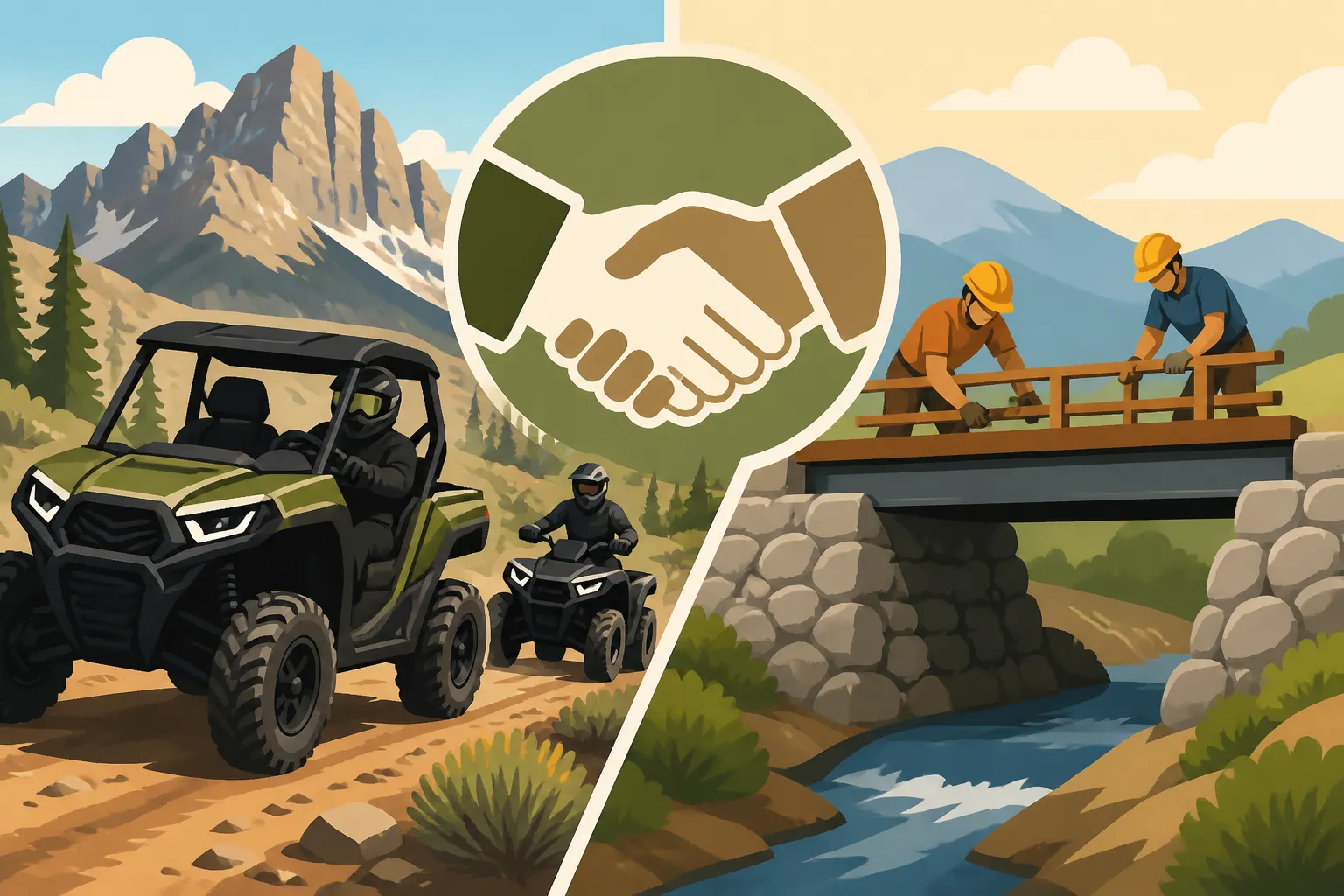
The Trails Program doesn't work in a vacuum. Creating these crossings is a massive undertaking that requires significant collaboration between multiple agencies. The Wyoming Department of Transportation (WYDOT) is a crucial partner, as they manage the state's highways and interstates. Federal land management agencies like the U.S. Forest Service and the Bureau of Land Management (BLM) are also key players, as many trails traverse their lands. Then you have local county governments, who often maintain the feeder roads and adjacent access points.
This multi-agency dance involves extensive planning, coordination, and compromise. The Trails Program acts as a facilitator, often initiating discussions, providing data on rider needs and usage, and, critically, offering the necessary funding to get these projects off the ground. It’s a testament to the commitment of many different entities working together to ensure that what we often call "recreation" is seen as a legitimate and important land use, worthy of significant infrastructure investment. This cooperative spirit is what allows progress on complex issues like [Wyoming Rules for Crossing an Interstate].
Engineering Solutions for Safe Passage
When it comes to allowing off-road vehicles to cross interstates, "safety first" isn't just a slogan; it's the absolute governing principle. The solutions developed and funded by the Trails Program are designed to separate ORV traffic from high-speed highway traffic completely, eliminating the inherent dangers of direct surface crossings.
Grade-Separated Crossings: The Gold Standard
The most effective and safest way for ATVs and UTVs to cross an interstate is through what's known as a grade-separated crossing. This means an underpass or an overpass – essentially, one route goes above or below the other, with no direct intersection. These are the "gold standard" because they completely remove the risk of collisions between fast-moving highway vehicles and slower, off-highway machines. Riders can continue their journey without ever entering the flow of highway traffic, greatly enhancing safety for everyone.
These structures are often quite costly, requiring new construction or significant modification of existing bridges or tunnels. For instance, building a new underpass involves excavation, drainage, and structural work, all while minimizing disruption to highway traffic. The Trails Program has been instrumental in advocating for and helping to fund these types of projects, ensuring that they are designed with the specific needs of off-road vehicles in mind, including considerations for width (especially for wider side-by-sides), clearance, and approach angles. You might even find yourself riding through a culvert or a dedicated tunnel that was specifically upgraded or constructed for ORV use. Riders can outfit their machines with durable components from SuperATV to tackle the varied terrain leading into and out of these crossings.
Navigating the 1,000 Machine a Year Cap
Even with grade-separated crossings, there are still regulatory considerations. For some crossings, especially those involving interstates, there might be a cap on the number of machines allowed to use them annually. This isn't about limiting your fun; it's often a pragmatic measure to manage impact, maintenance, and the administrative burden of monitoring these specific crossing points. The Trails Program works closely with WYDOT and other agencies to establish these caps, like the [Why Each Interstate Crossing Is Capped at 1,000 Machines], and ensure they are reasonable while still providing meaningful access.
Managing a cap often involves a registration or permit system for those specific crossings, allowing the state to track usage. This data is vital for future planning, demonstrating the need for additional crossings or advocating for adjustments to existing caps if demand grows. It’s a delicate balance: providing access while ensuring sustainability and proper management of state resources. The goal is always to maximize public enjoyment of the trails while adhering to safety and environmental guidelines.
The Why Behind the Investment: Community and Economy
Beyond the immediate goal of connecting trails and enhancing safety, the investment in interstate crossings has broader implications for Wyoming. It's about knitting together communities, supporting local economies, and fostering the lifestyle that so many of us cherish.
Connecting Communities, Like Evanston
Consider communities like Evanston, which historically found itself somewhat cut off from certain trail networks due to the interstate. The frustration was palpable, as local riders and businesses saw valuable recreational opportunities separated by a concrete barrier. The Trails Program's efforts, often championed by local advocacy, have been crucial in addressing these divides. Projects aimed at improving connectivity directly benefit residents by making it easier to access trails close to home, fostering community engagement, and even drawing visitors to local businesses. The story of Evanston is a powerful example of [Why Evanston Pushed for the Rule] on interstate crossings.
When trails are connected, it means riders can embark on longer journeys, exploring more of what Wyoming has to offer without unnecessary detours or safety risks. This not only enhances the quality of life for residents but also makes Wyoming a more attractive destination for out-of-state riders. It's about transforming what was once a barrier into a gateway, allowing the flow of recreation and economic activity to move freely across the landscape. The sense of freedom and access that comes from a well-connected trail system is invaluable.
The Economic Boost of Accessible Trails
Accessible and interconnected trail systems are major economic drivers for rural Wyoming. When riders can easily access a vast network of trails, they are more likely to spend money in nearby towns on fuel, food, lodging, and supplies. Imagine a rider from out of state planning a week-long trip, knowing they can ride hundreds of miles without having to load their machine onto a trailer every time they hit an interstate. That translates into more nights in a motel, more meals in local diners, and more purchases from hardware stores and gas stations.
| Economic Benefit | Description |
|---|---|
| Increased Tourism | More accessible trails attract out-of-state riders. |
| Local Spending | Riders spend on fuel, food, lodging, and gear. |
| Job Creation | Supports jobs in hospitality, retail, and outdoor recreation. |
| Property Value | Enhances desirability of properties near trail access. |
| Business Growth | Encourages new businesses catering to ORV enthusiasts. |
| Tax Revenue | Sales taxes and lodging taxes contribute to local coffers. |
This isn't just anecdotal; studies consistently show that outdoor recreation, including off-road riding, generates significant revenue for states and local communities. The Trails Program's investment in crossings is a strategic one, recognizing that facilitating rider access isn't just about fun; it's about supporting livelihoods and strengthening the economic fabric of Wyoming. Many riders depend on robust parts from SuperATV to keep their machines running strong for these extended trips, further boosting the economy.
The Future of Wyoming's Trail System
The work of the Wyoming Trails Program is never truly finished. As rider numbers grow, and as more areas are identified for recreational use, the need for continued investment in connectivity solutions, including interstate crossings, will only increase.
Ongoing Efforts and New Opportunities
The Trails Program is always looking ahead, identifying new opportunities for trail expansion and connectivity. This includes not only new physical crossings but also improvements to existing ones and working to enroll more roads and trails into the official system. There's a constant dialogue with land managers, rider groups, and communities to understand needs and prioritize projects. For instance, discussions around [Street Legal ATVs in Wyoming: The Short Answer] and expanding opportunities for multipurpose vehicles (MPVs) also tie into how riders can legally and safely navigate public roads, including those that might lead to an interstate crossing point.
As technology evolves, so too do the possibilities for trail management and development. Whether it's better mapping tools, more efficient construction techniques, or new ways to engage the public, the Trails Program aims to leverage every advantage to enhance the rider experience. Continued vigilance and advocacy from the riding community are essential to keep these efforts moving forward, ensuring that our collective voice is heard in future planning and funding decisions.
Rider Responsibility in Maintaining Access
While the Trails Program does the heavy lifting in securing funding and coordinating these massive infrastructure projects, riders also have a critical role to play. First and foremost, always abide by the rules and regulations for designated crossings. Respect the signage, stay on the marked routes, and understand any annual caps or specific operating hours for these sensitive areas. Adhering to [Wyoming Rules for Riding a Designated Route] is paramount for preserving access.
Your permit purchase is another form of responsibility – it’s a direct contribution to these vital projects. Ensuring your machine meets sound limits and spark arrester requirements, often supported by quality SuperATV exhaust systems or spark arresters, also helps maintain positive relationships with land managers and the public. Being good stewards of the land, treading lightly, and respecting private property boundaries are all essential for demonstrating that off-road riders are responsible users of Wyoming's magnificent backcountry. By doing our part, we ensure that the Trails Program can continue its crucial work, connecting our trails and keeping our adventures flowing seamlessly across the landscape.
Disclaimer
This article is for general informational purposes only and does not constitute professional advice. Laws, prices and regulations vary by location and change over time. Consult a qualified professional for guidance on your specific situation.