Riding Private Land Without a License
There's a common misconception that if you're riding an ATV or UTV on private land, all the rules fly out the window. While it's true that a lot of the public land regulations don't apply, thinking you can just hop on and ride without any thought to licenses, safety, or permission is a recipe for trouble, misunderstanding, or worse, an accident. This guide is here to clarify exactly what you need – and don't need – to know when it comes to enjoying your off-road machine on private property in Wyoming.
The Core Rule: Private Land, Owner's Permission is Key
When you're dealing with private land in Wyoming, the absolute, non-negotiable cornerstone of legal and ethical riding is explicit permission from the landowner. Forget about state permits, registration decals, or even a driver's license for a moment; if you don't have the "go-ahead" from the person who owns the dirt you're on, you're trespassing, pure and simple.
Understanding "Private Land" in Wyoming
"Private land" is exactly what it sounds like: property owned by an individual, a family, or a private entity, not by the state or federal government. This could be anything from a sprawling cattle ranch stretching for thousands of acres to a small plot of rural acreage with a few outbuildings and some open pasture. It's not a state park, not a national forest, and not Bureau of Land Management (BLM) property. Those are public lands, and they have their own distinct sets of rules, permits, and requirements that are entirely separate from what we're discussing here.
The crucial distinction for off-road riders is that private land's access is controlled by the owner. Unlike public lands where designated trails are often marked and generally open to the public (with the proper permits, of course), private land access is a privilege extended by the owner. You might have a family cabin with ten acres, or your buddy might own a big ranch outside Sheridan where he lets you ride. In both cases, that's private land, and the owner dictates the terms of use.
The Role (or Lack Thereof) of a Driver's License
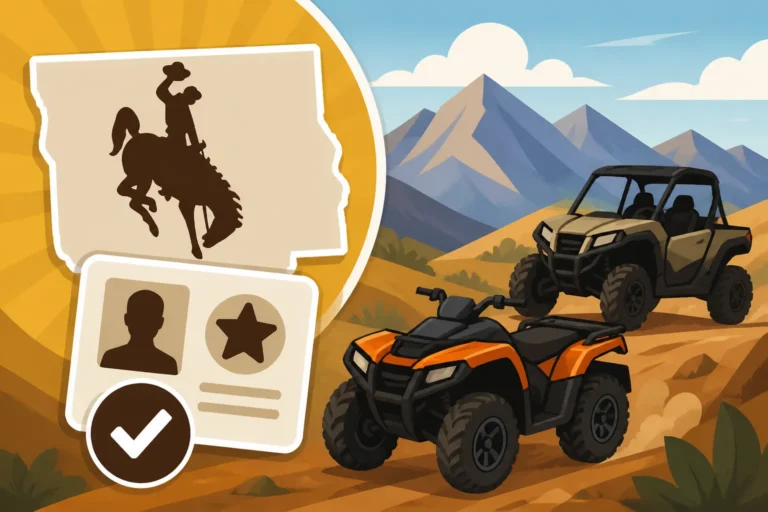
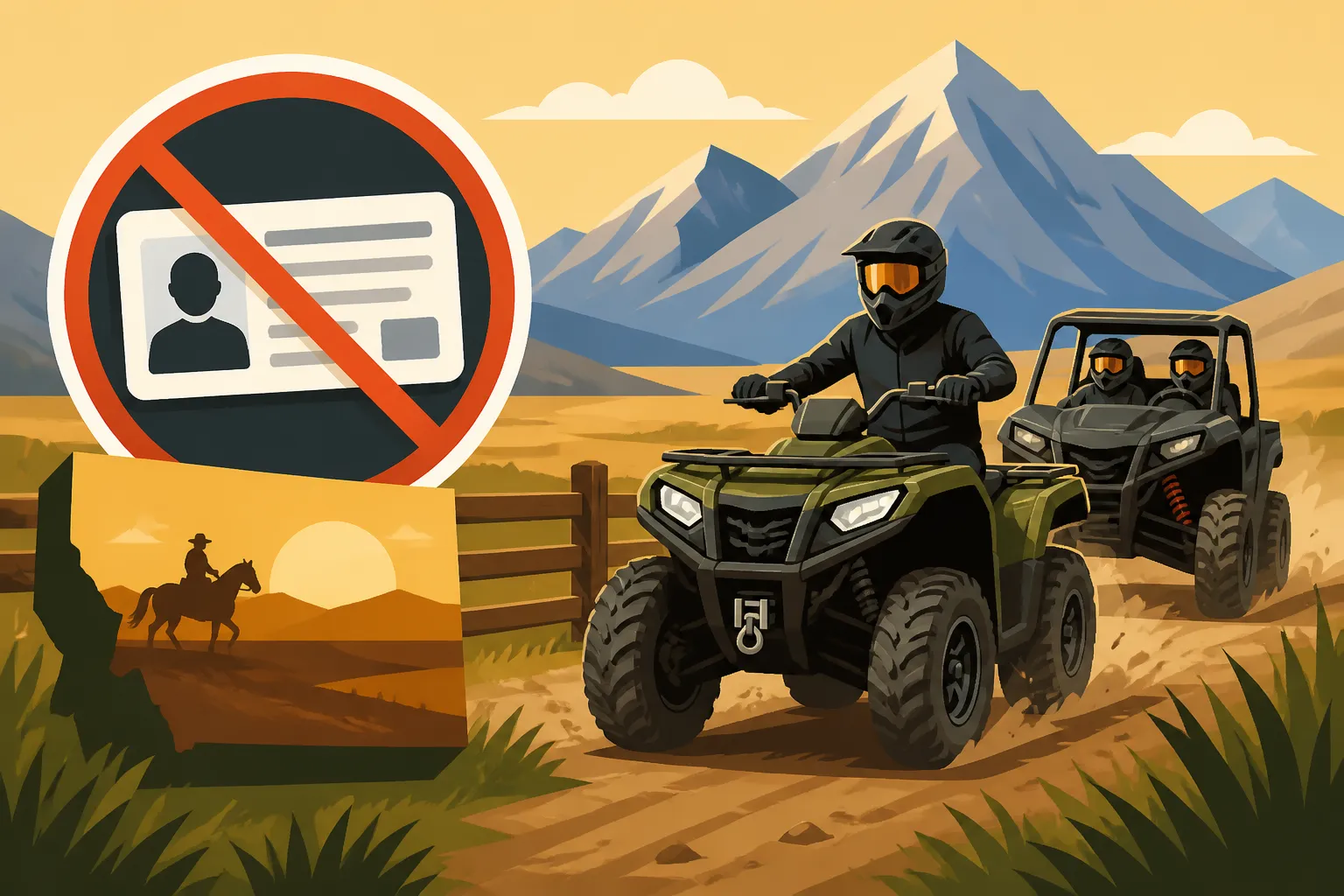
Here's the big takeaway for many: when you're strictly on private land in Wyoming with the owner's permission, you do not need a driver's license to operate an ATV or UTV. This is a significant difference from riding on public roads or even many designated public trails, where age restrictions, licensing, or specific endorsements might apply.
Think of it this way: if you're driving a tractor across your own pasture, or using a riding lawnmower in your backyard, you don't need a driver's license, right? The same principle generally extends to your off-road machine on private property. The legal requirements for operating a motor vehicle on public roadways (like needing a license, or specific vehicle registration and plates) are in place because you're interacting with public traffic and public infrastructure. On private land, you're essentially in a controlled environment where the landowner sets the rules.
This doesn't mean it's a free-for-all, however. While the state doesn't require a license, the landowner might impose their own rules. They might say, "Only licensed drivers can operate machines on my property" for insurance or liability reasons. It’s always best to clarify this with the owner. And even without a license, you're still responsible for safe operation and any damage you cause.
Who Can Ride? Age and Supervision
Since the state doesn't mandate a driver's license for private land use, the question of who can ride often boils down to safety, common sense, and the landowner's specific guidelines.
For instance, a ranch owner might allow their 12-year-old nephew, who has grown up riding dirt bikes and quads on the property, to operate a machine without a formal license. This is generally permissible because it's private land, and the landowner (or the child's guardian) is taking responsibility. However, the child's guardian should always ensure adequate supervision and that the machine is appropriate for the rider's age, size, and experience. A child riding a youth machine is very different from a 12-year-old trying to handle a full-size side-by-side without proper training.
While state regulations like [Wyoming Rules for a Rider Under 16 on a Trail] apply specifically to public lands, the spirit of safety should always be upheld on private ground too. Many landowners, especially those who run guest ranches or allow groups to ride, might still impose age minimums or require that minors be directly supervised by an adult. This is often to protect themselves from liability and ensure a safe experience for everyone. So, while a license isn't a legal hurdle, age and supervision are definitely practical considerations you and the landowner should discuss.
Beyond the License: Essential Considerations for Private Land Riding
Just because you don't need a state-issued license or an ORV permit to ride on private land doesn't mean there are no other responsibilities. Being a good steward of the land and a safe rider involves more than just permission.
The Importance of Express Permission
I can't stress this enough: always, always get clear permission. It might sound obvious, but casual assumptions can lead to big problems. A friendly wave from a rancher as you pass their property doesn't necessarily mean you have permission to cut across their fields.
- Verbal vs. Written Permission: For a quick, informal ride on a friend's property, verbal permission might suffice. However, if you plan to ride regularly, or for an extended period, or if the land is not owned by someone you know intimately, getting permission in writing is always a wise move. This protects both you and the landowner. A simple note stating who can ride, when, and where, signed by the owner, can prevent misunderstandings.
- Avoiding Accidental Trespass: Wyoming is vast, and property lines can sometimes be unclear, especially in undeveloped areas. It's surprisingly easy to accidentally wander off one private parcel onto another, or even onto adjacent public land. Always know exactly where you are and where the boundaries lie. Using GPS apps or asking the landowner for a map of permissible riding areas can prevent inadvertent trespass. Remember, [Wyoming Trespass Rules for Riders] are serious, and ignorance of property lines is rarely an excuse.
Safety Gear and Best Practices
Even without government mandates, safety should be paramount. When you're out there on your ATV or UTV, whether you're ripping through a sand wash or cruising along a two-track, things can go wrong quickly.
- Helmets and Eye Protection: While [Wyoming Helmet Law for ATV Riders] specifically covers public roads and trails for certain age groups, a helmet is your best friend on any terrain. A good quality helmet can prevent serious injury in a rollover or unexpected spill. Eye protection, whether goggles or a face shield, keeps dust, bugs, and branches out of your eyes, ensuring you can see what's coming.
- Sturdy Footwear and Clothing: Flip-flops and shorts are a bad idea. Opt for sturdy boots that protect your ankles and closed-toe shoes. Long pants and sleeves can prevent scrapes, scratches, and sunburn. Some landowners might even make specific safety gear requirements a condition of riding on their property.
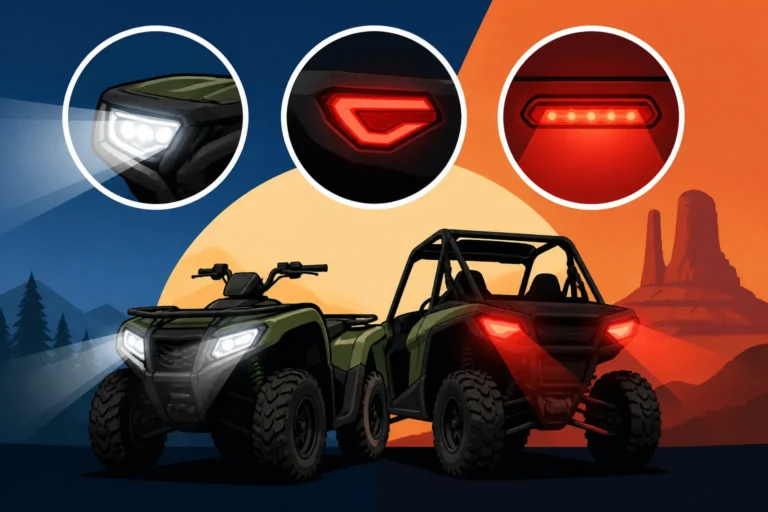
- Machine Maintenance: A well-maintained machine is a safe machine. Before heading out, do a quick check of your tires, brakes, lights, and fluids. This is especially true if you're adding aftermarket parts, like those from SuperATV, to enhance performance or utility. While these upgrades can be fantastic, ensuring they are properly installed and maintained is crucial for safety.
Respecting the Land and Its Uses
Riding on private land is a privilege, not a right. Treat the property with the utmost respect.
- Staying on Designated Routes: The landowner might have specific trails or areas they want you to use. Stick to these. Going off-route can damage crops, sensitive vegetation, or disturb livestock.
- Gates: Close Them! This is a huge one in ranching country. If you open a gate, you close it behind you. Always. Ranchers often leave gates open intentionally for livestock movement, so if a gate is open, leave it open unless specifically instructed by the landowner to close it. If you're unsure, ask. Seriously, read up on [Wyoming Rules for Opening a Gate] – it's a common point of contention.
- Livestock and Wildlife Awareness: Expect to encounter cattle, horses, sheep, and various wildlife. Slow down, give them a wide berth, and never harass animals. This is where [Wyoming Rules for Riding Near Livestock] comes into play – knowing how to behave around animals shows respect and prevents problems.
- Fire Prevention: Spark arresters are critical. While Wyoming has [Wyoming Spark Arrester and Sound Rules] for public lands, it's just good practice to ensure your machine is equipped with one on private land, especially in dry conditions. Carry a fire extinguisher if possible. One carelessly started fire can devastate a rancher's livelihood.
When Private Becomes Public (or Vice Versa): The Blurry Lines
Wyoming's landscape, with its vast expanses and historical land use patterns, can sometimes create confusing situations where the line between private and public access isn't always clear. Understanding these nuances is crucial to avoid accidental trespass or riding illegally.
Section Lines and Public Access
In many Western states, including Wyoming, historical surveys created a grid of "section lines." These are often perceived by some as automatically granting public access. However, this is a common misconception, especially for motorized use. While some section lines might have established roads or easements, a raw section line crossing private property generally does not grant you the right to drive your ATV or UTV across it without the landowner's permission.
It's tempting to see a faint two-track disappearing across a pasture and assume it's fair game, especially if it appears to follow a section line. But that two-track is still on private property. [Wyoming Rules for Riding a Section Line] are complex, and it’s always safest to assume private unless you have explicit, confirmed information to the contrary from the landowner or a government agency. Relying on an assumption can lead to a trespassing citation, even if you genuinely believed you had a right to be there.
Roads, Easements, and Crossing Private Land
The situation gets even trickier when private land contains roads that might appear public, or when easements are involved.
- Private Roads Becoming "Public": Sometimes, a private road used by the public for many years (perhaps to access a remote parcel of public land) can, over time, gain a de facto public access status through legal precedent. However, this is not something you should ever assume. Always confirm the status of a road. Just because a road looks like a county road doesn't mean it is. [Wyoming Rules for Riding a Ranch Road] often involve explicit permission.
- Utility Easements: Power lines, pipelines, and other utilities often have easements across private property. These easements grant the utility company the right to access, maintain, and repair their infrastructure. They do not, however, automatically grant the general public the right to ride their ATVs or UTVs along these easements. Using a utility easement for recreational riding without the landowner's permission is still trespassing.
- Crossing Private Land: Sometimes, to get from one section of public land to another, you might need to cross a strip of private property. Again, you absolutely need permission from the landowner for this. There's no inherent right to cross private land to access public land, no matter how inconvenient the detour might be.
The ORV Permit for Public Lands – A Necessary Distinction
It's vital to remember that all these discussions about not needing a license on private land do not extend to public lands. The moment your tires roll off private property and onto state or federally managed land (like a National Forest, BLM land, or State Park), the rules change dramatically.
On public lands in Wyoming, nearly all off-road vehicles require a current Wyoming ORV permit decal. This decal, usually affixed to a visible part of your machine, shows that you've contributed to the state's trails program. [Why Every Machine Needs a Wyoming Permit] is a clear directive. Even if you're a seasoned rider from another state with your own registration, Wyoming does not offer reciprocity; you'll need a Wyoming permit. [Wyoming's Enrolled Roads and Trails] are specifically for machines displaying this permit.
So, while you might be tearing it up license-free on a friend's ranch, be absolutely certain you've got your Wyoming ORV permit ready and affixed before you venture onto any public trail or designated riding area. A warden checking for permits won't care that you were just on private land – they'll only care if you have the required decal for the public land you're currently on.
Machine Considerations: What You're Riding and Why it Matters
While the focus has been on permission and licensing, the type of machine you're riding and how you maintain it also plays a role in responsible private land use.
Vehicle Type and Its Impact on Private Land
Most private landowners, once permission is granted, aren't too concerned about the specific type of off-road vehicle you're operating, whether it's an ATV, UTV, dirt bike, or even a specialized 4×4. However, some practical considerations might influence their comfort level:
- Weight and Size: Larger, heavier UTVs, especially those with aggressive tires, have a greater potential for churning up soft ground or creating deep ruts, particularly after rain or in muddy conditions. This might be a concern for a landowner trying to maintain pastures or access roads.
- Intended Use: Are you riding for recreational thrills, or are you using the machine for ranch work, like hauling feed or checking fences? Many landowners are more amenable to utility-oriented use of a UTV (like those equipped with SuperATV's heavy-duty suspension components or cargo beds) than to aggressive recreational riding that might be seen as harder on the land. Always be upfront about your intentions.
- Youth Machines: If minors are riding, ensuring they're on age-appropriate machines is critical. A youth quad is designed differently from an adult-sized ATV, impacting safety and control.
Modifications and Noise
Modifications are common in the off-road world. Companies like SuperATV offer a huge range of aftermarket parts, from lift kits and larger tires to performance exhausts. While these can certainly enhance your riding experience, their impact on private land needs consideration:
- Noise Levels: Stock mufflers are designed to meet certain sound regulations. Aftermarket performance exhausts can be significantly louder. While there might not be legal sound limits on private land, common courtesy and neighborly respect definitely apply. Excessive noise can be a major nuisance to landowners, their neighbors, and local wildlife. It's often a good idea to discuss any loud modifications with the landowner beforehand.
- Environmental Impact: While SuperATV products are built for rugged performance, ensure any modifications don't compromise environmental responsibility. Spark arresters, as mentioned before, are important. Avoid fluid leaks or spills that could contaminate the property.
Insurance and Liability
This is a big one. The absence of state-mandated licensing on private land does not mean an absence of liability. Accidents happen, and when they do, you want to be covered.
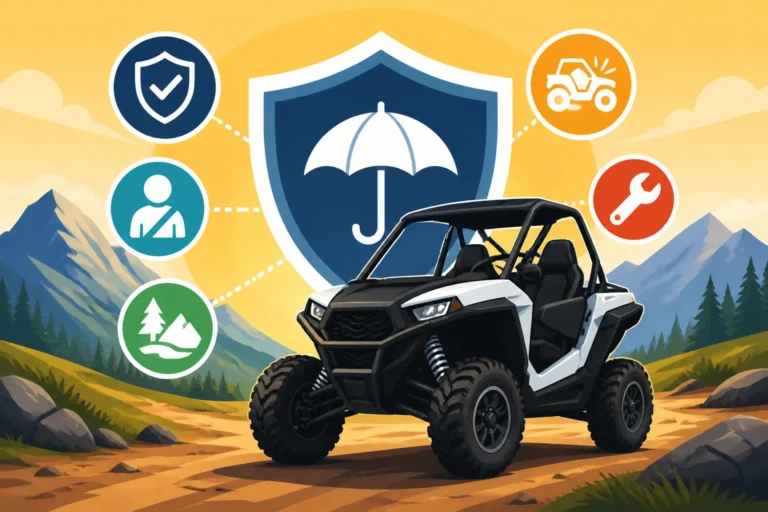
- Your Own Insurance: Your homeowner's policy might offer limited coverage for an ATV or UTV on your own property, but it's often insufficient for significant incidents, especially if you're riding on someone else's land. A dedicated off-road vehicle insurance policy is highly recommended. These policies can cover damage to your machine, medical expenses, and, crucially, liability if you cause injury to someone else or damage to property.
- Landowner's Liability: A landowner granting permission for you to ride on their property might also have concerns about their own liability. They may require you to sign a waiver or even ask for proof of your own insurance. It’s a reasonable request, and one that protects everyone involved. Never assume the landowner's insurance will cover your accidents or damages.
- Damage to Property: If you accidentally damage a fence, a gate, or even structures on the private property, you are responsible for those repairs. Having appropriate insurance can mitigate the financial burden in such an unfortunate event.
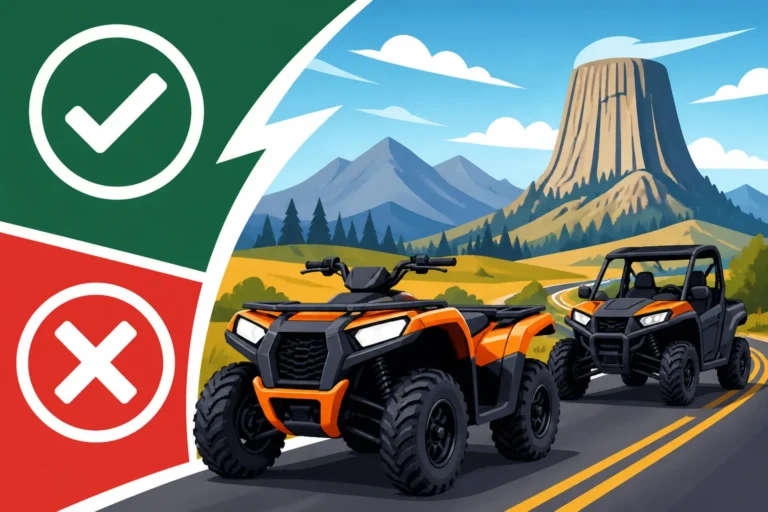
To summarize the key differences in requirements, here's a quick table:
| Requirement | Riding on Private Land (With Owner's Permission) | Riding on Public Lands (Designated Trails/Roads) |
|---|---|---|
| Driver's License | Generally NO | Often YES (or specific endorsement for MPVs) |
| Wyoming ORV Permit | NO | YES (mandatory decal) |
| Machine Registration | NO (unless street-legal MPV) | NO (unless street-legal MPV) |
| Insurance | Recommended (for liability protection) | Required for street-legal MPVs, recommended for ORVs |
| Helmet | Recommended (for safety) | Required for under 18 on public roads, recommended otherwise |
| Spark Arrester | Recommended (fire prevention, courtesy) | Required |
| Owner's Permission | ABSOLUTELY ESSENTIAL | Not applicable (access via public designation) |
| Age Restrictions | Determined by landowner/guardian (for minors) | State law applies (often 16 for driver, 8 for passenger) |
Ultimately, riding an ATV or UTV on private land in Wyoming can be an incredibly rewarding experience, offering freedom and exploration not always available on public trails. Just remember that this privilege comes with responsibilities. A little foresight, open communication with landowners, and a strong commitment to safety and respect for the land will ensure that your private land adventures are always positive and problem-free.
Disclaimer
This article is for general informational purposes only and does not constitute professional advice. Laws, prices and regulations vary by location and change over time. Consult a qualified professional for guidance on your specific situation.